Price Change
-
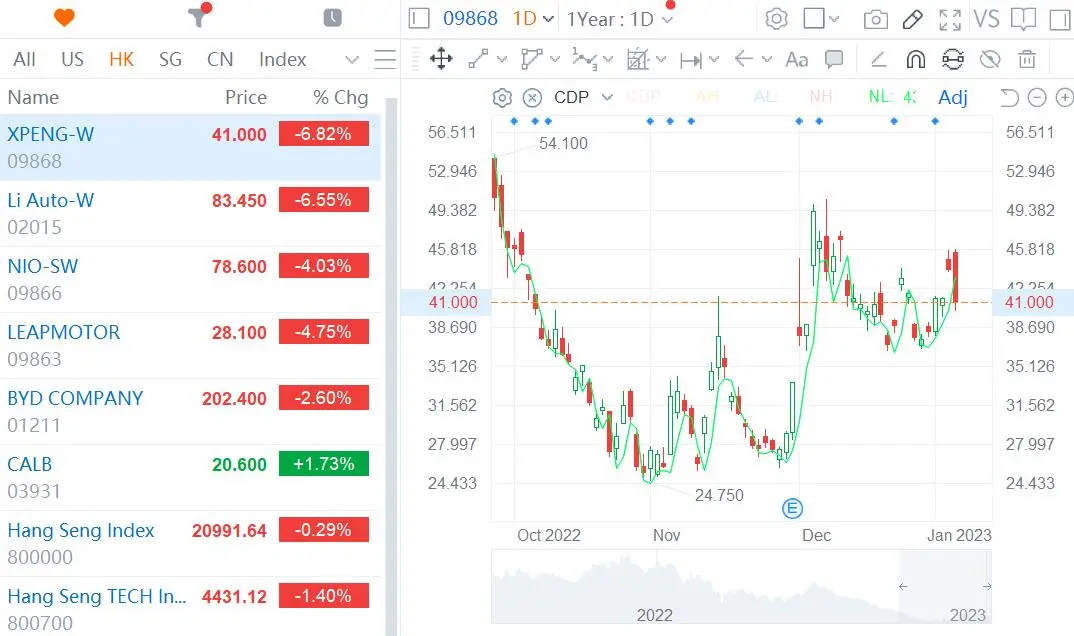
Xpeng most vulnerable to Tesla price cut among Chinese EV trio
By the close of trading, Xpeng was down 6.82 percent in Hong Kong, Li Auto was down 6.55 percent and Nio was down 4.03 percent.
-
Tesla's cost-based pricing is reason behind price cut in China, exec says
A Tesla executive says the price cut is due to the company's good cost control and a government call, but apparently, the more important reason is weak demand.
-
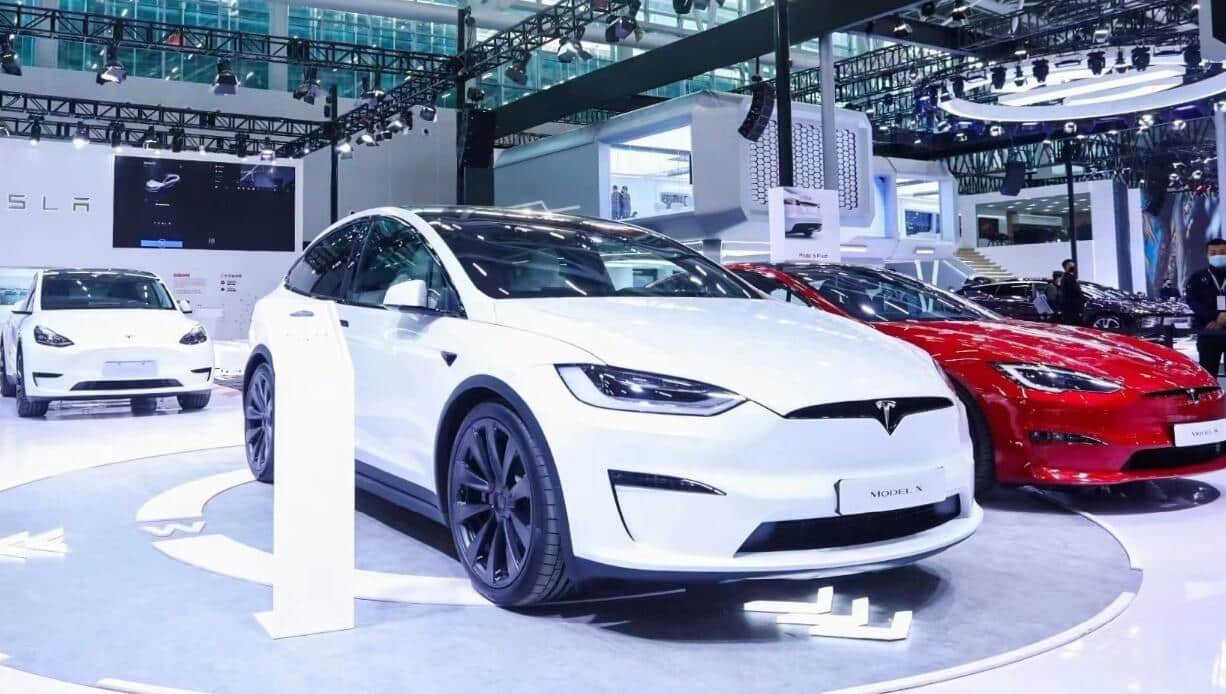
Tesla announces prices for new Model S and X in China, deliveries will both begin in Q2
The Model S starts at RMB 789,900 ($115,000) in China and the Model X at RMB 879,900.
-
Tesla sharply cuts prices of entire Model 3 and Model Y lineup in China
Tesla has cut the prices of its entire Model 3 and Model Y lineup by as much as 48,000 yuan in China to boost demand in the world's largest EV market.
-
Neta raises vehicle prices by as much as $870 as subsidies exit
Neta's sales of 152,073 units in 2022 are the highest of China's major new car makers, but its flagship model starts at half the average sales price of Nio models.
-
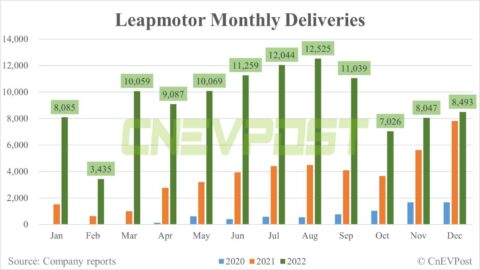
Leapmotor delivers 8,493 units in Dec, raises vehicle prices
For the full year 2022, Leapmotor delivered 111,168 units, up 157.80 percent from 43,121 units in 2021.
-
Xpeng to keep vehicle retail prices unchanged, bear full cost after subsidy withdrawal
Consumers who previously bought Xpeng models were eligible for purchase subsidies ranging from RMB 10,080 ($1,460) to RMB 13,860.
-
Tesla to reveal Model S and X prices in China on Jan 6, deliveries to begin in H1 2023
Tesla's Model S and Model X are both expected to be priced at more than RMB 1 million in China and are expected to make a limited contribution to deliveries.
-
GAC Aion raises vehicle prices by up to $1,130
GAC Aion is raising the price of its models by RMB 3,000 to RMB 8,000, citing the impending withdrawal of subsidies and rising raw material prices.
-
BYD raises vehicle prices, effective Jan 1
BYD said this is due to the imminent expiration of China's NEV purchase subsidies, as well as a significant increase in the prices of key raw materials.