Deliveries
-
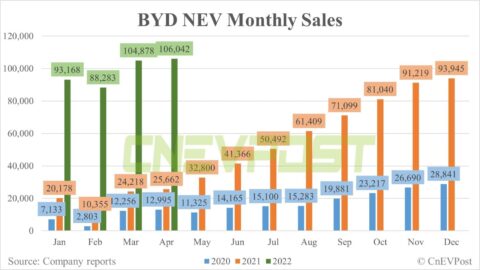
BYD sees another record month as local peers' sales plunge
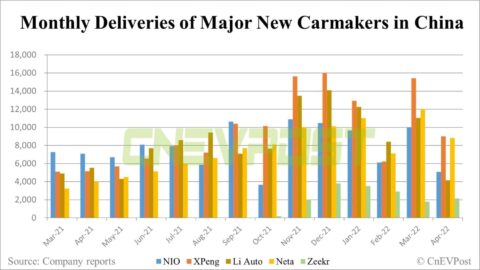
BYD's performance in April was in stark contrast to China's major new car makers, who all saw a significant drop in sales from March.
-
Deutsche Bank on China EV deliveries: April weak as expected due to Covid, expect May recovery
Edison Yu's team expects some spillover in May related to suppliers slowly returning to production, with June likely to be the first normal month.
-
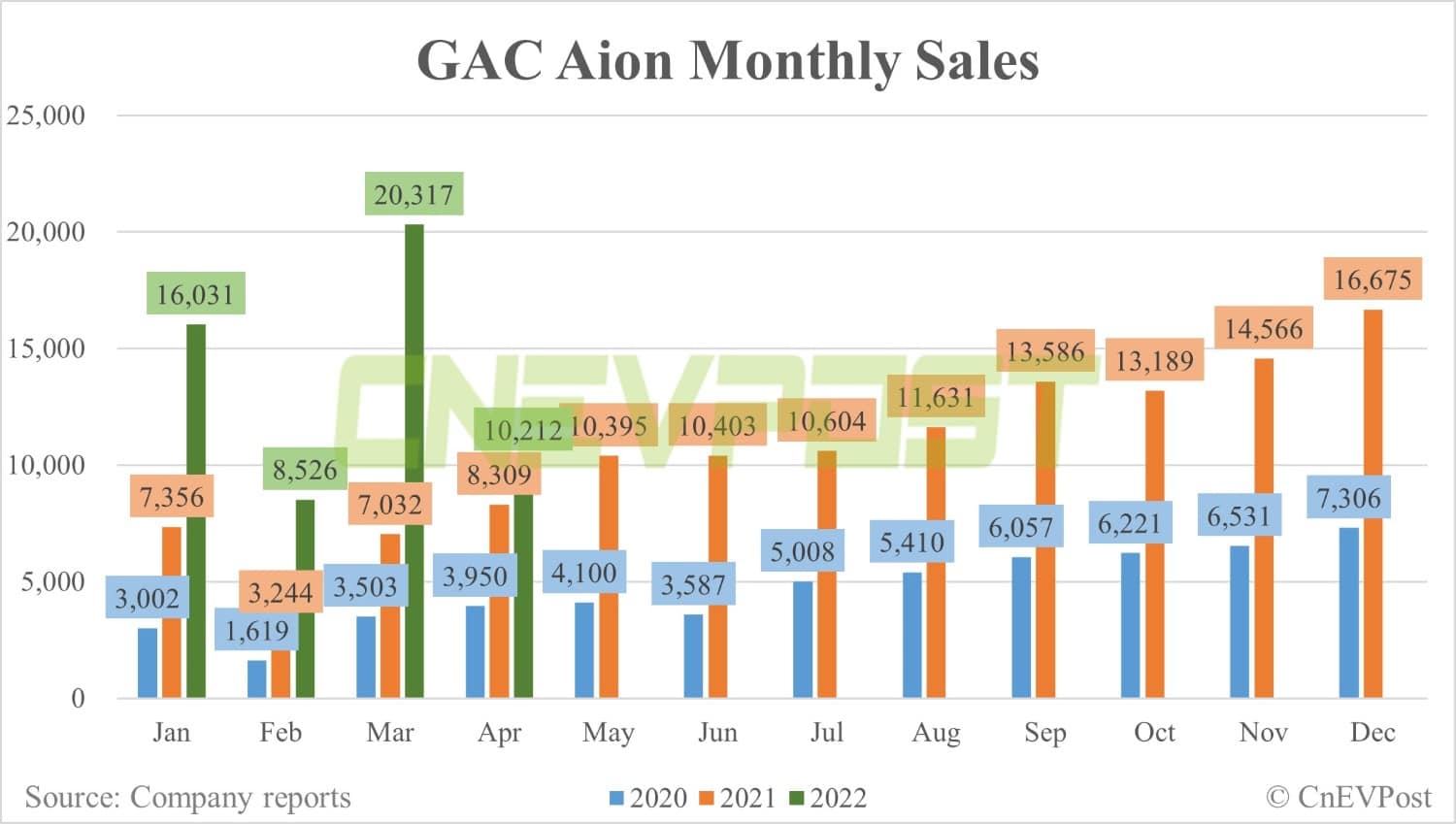
GAC Aion sells 10,212 units in April, down 50% from March
That's because the Covid outbreak had an impact on the supply chain and production in April, it said.
-
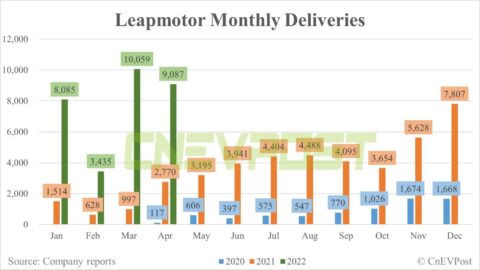
Leapmotor delivers 9,087 vehicles in April, down 10% from March
Leapmotor filed the first version of its prospectus with the Hong Kong Stock Exchange on March 17, hoping to list there.
-
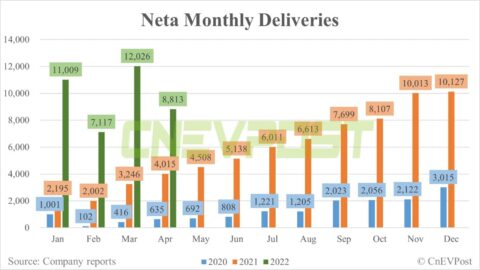
Neta delivers 8,813 vehicles in April, down 27% from March
Neta delivered 38,965 units in January-April, up 240 percent from 11,458 units in the same period last year.
-
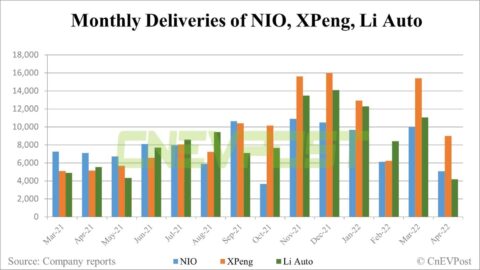
April deliveries: How does Nio compare to Xpeng and Li Auto?
Nio's deliveries were back ahead of Li Auto's for the first time since last September.
-
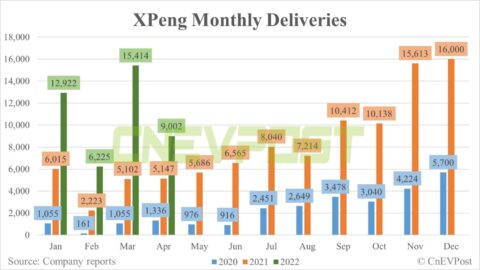
Xpeng delivers 9,002 vehicles in April, down 42% from March
Xpeng has been and is continuing to actively navigate through the Covid situation, which in turn is affecting the overall supply chain in China, it said.
-
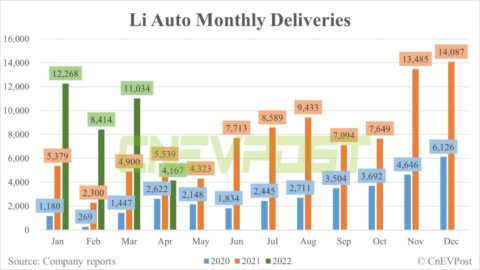
Li Auto delivers 4,167 vehicles in April, down 62% from March
Some of Li Auto's suppliers have completely shut down production, making it impossible to maintain production after existing parts inventories have been absorbed, it said.
-
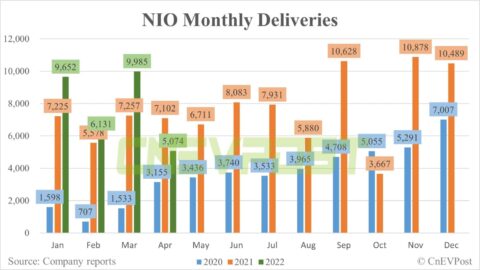
Nio delivers 5,074 units in April, down 49% from March
In late March and April 2022, Nio's vehicle production and delivery have been impacted by the supply chain volatilities and a new wave of the Covid-19 outbreaks.
-
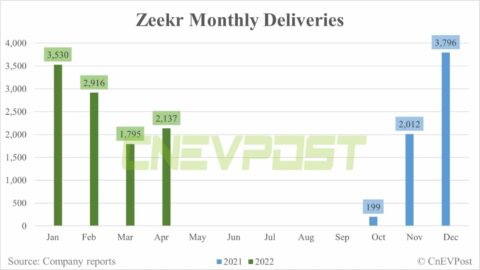
Zeekr delivers 2,137 vehicles in April, up 19% from March
Zeekr's only model currently on sale, the Zeekr 001, saw an increase in price or a reduction in the benefits offered to consumers today.