SAIC
+ Follow-
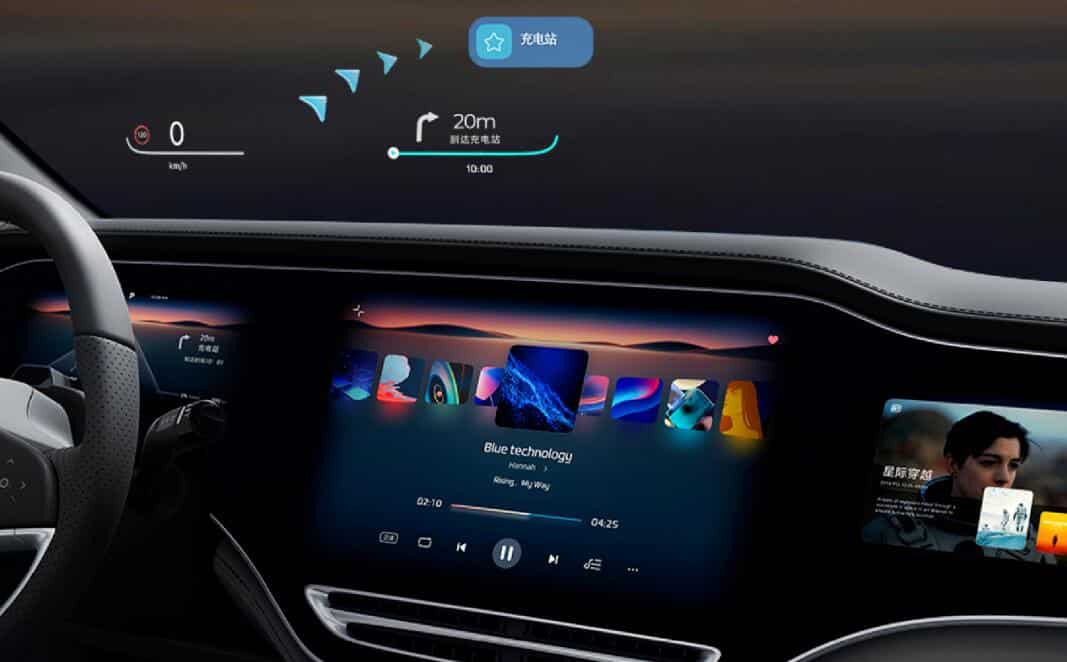
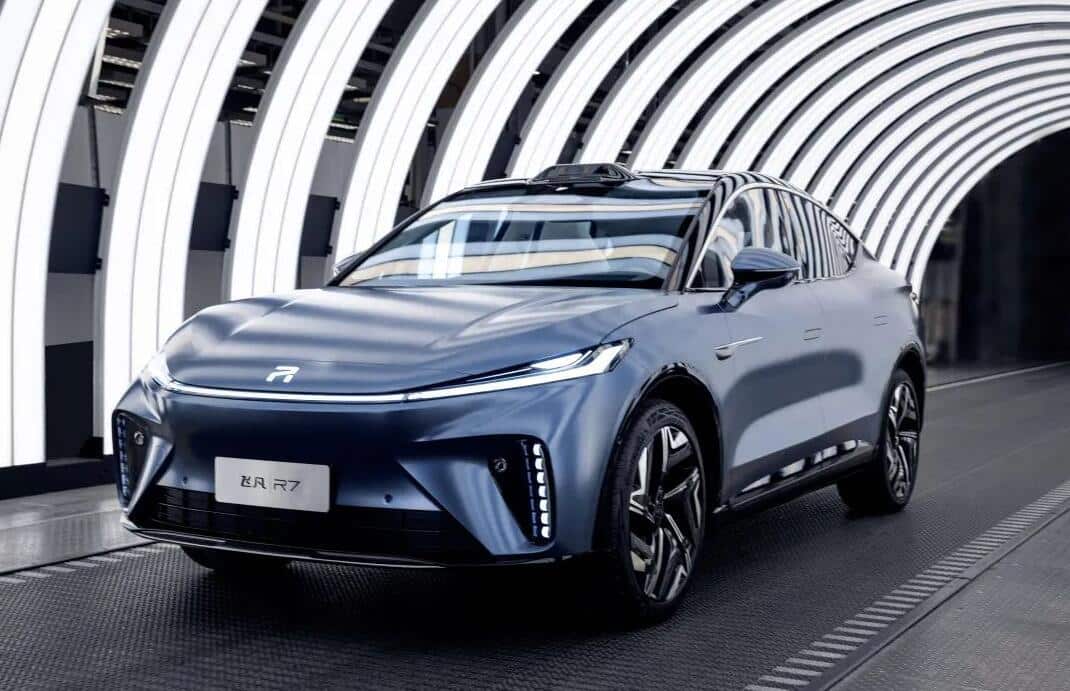
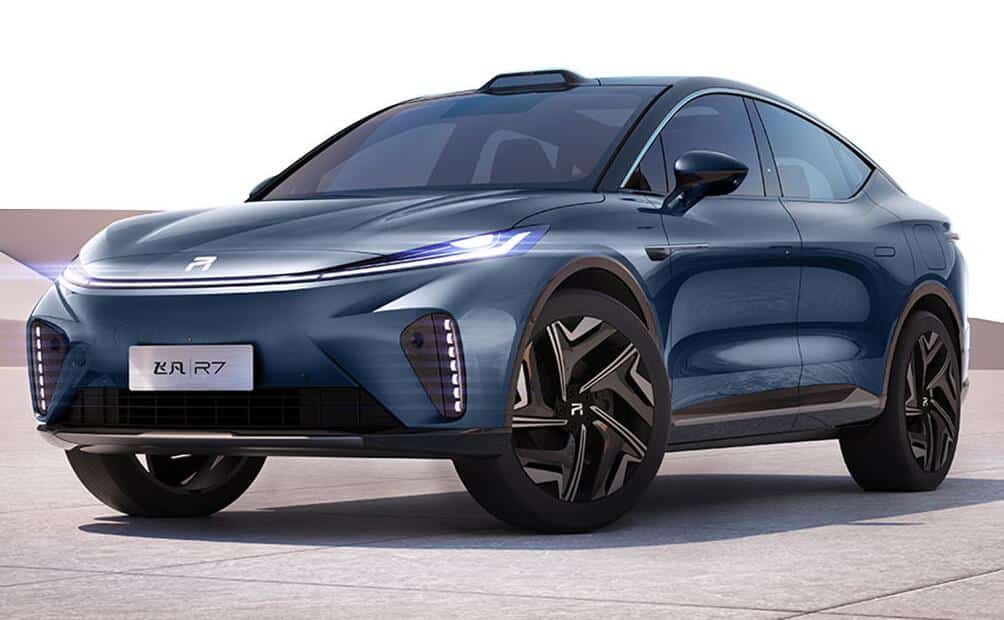
SAIC's Rising Auto to use Huawei's head-up display system in its R7 SUV
The AR-HUD system offers a 13°*5° field of view, the world's largest, to create a flat-screen AV experience while parked 7.5 meters in front of the driver.
-
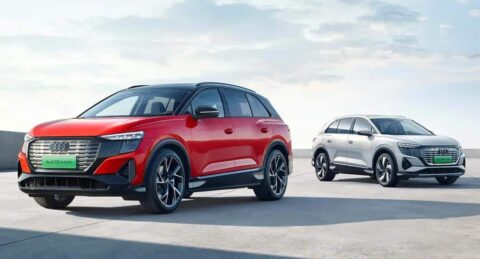
SAIC Audi's Q5 e-tron SUV goes on sale in China with starting price of about $55,760
SAIC Audi's Q5 e-tron has a pricing range that overlaps significantly with the Nio ES6, but the specs look lower.
-
SAIC reportedly to launch stress test for production resumption on April 18
SAIC is conducting an internal assessment, which is expected to allow production to restart with the Covid lockdown still in place.
-
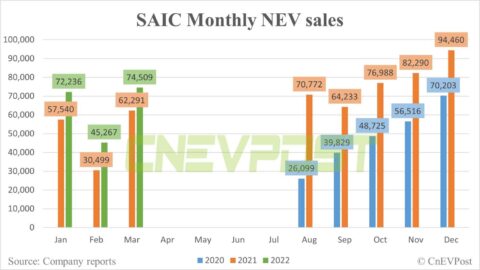
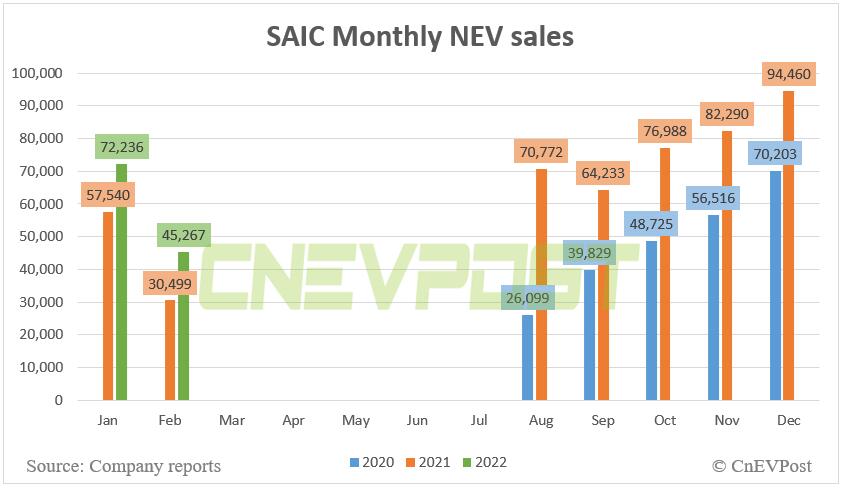
SAIC sells 74,509 NEVs in March, up 20% year-on-year
SAIC sold 443,045 units of all vehicles in March, with NEV sales contributing 16.8 percent.
-
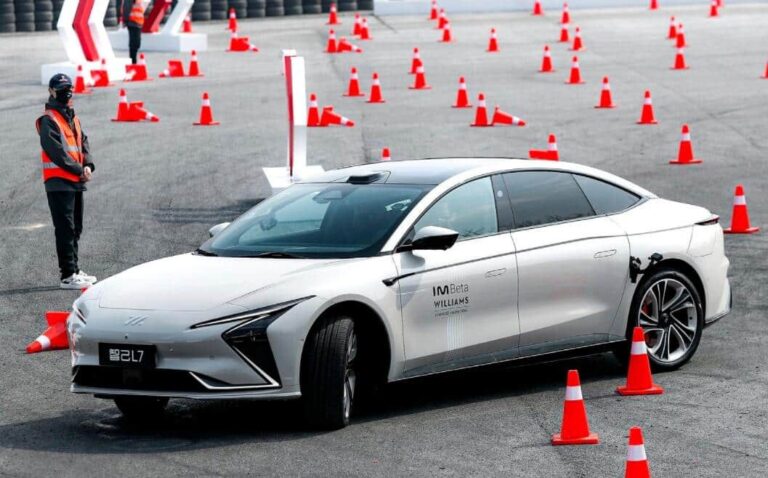
IM Motors, SAIC and Alibaba-backed EV brand, begins locking in orders for first model
IM Motors is expected to start allowing test drives on April 9, with first deliveries starting in late April.
-
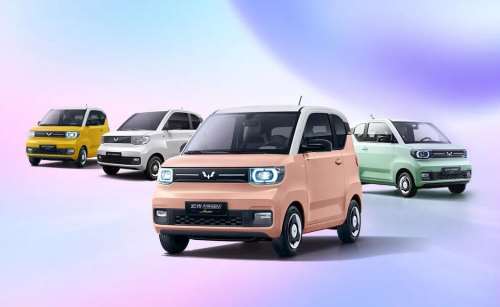
SAIC-GM-Wuling raises prices of its mini EVs by up to $1,255
Even the cheapest models are not spared in this wave of electric vehicle price hikes in China.
-
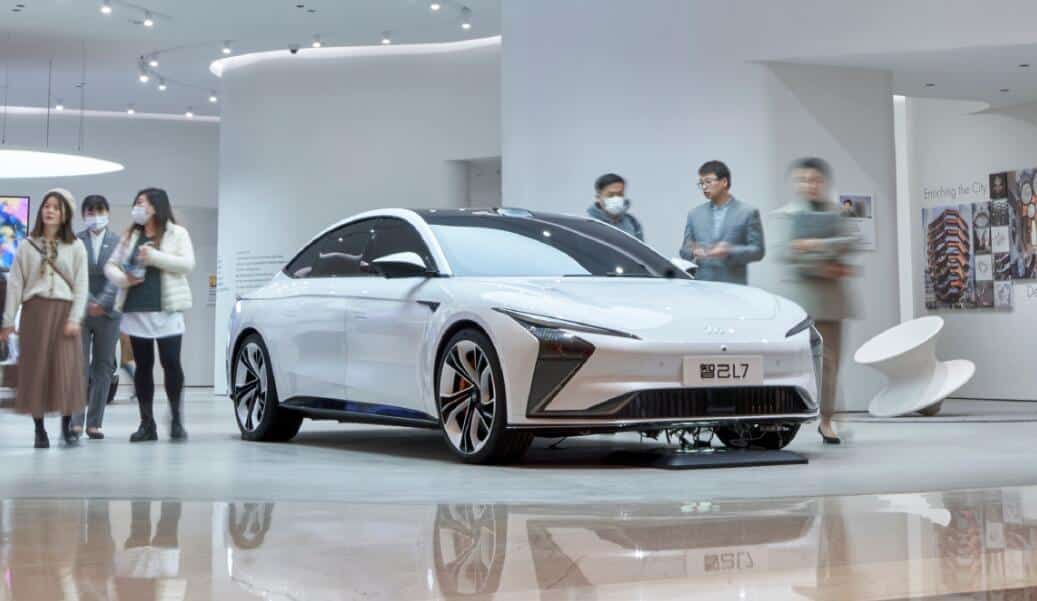
SAIC's Rising Auto sees first major production milestone for its battery swap-enabled R7 SUV
Rising Auto unveiled the R7 on February 22, becoming the second carmaker after Nio to offer a battery swap-enabled model to the general public.
-
SAIC-GM-Wuling aims for 1 million annual NEV sales by 2023
In 2021, SAIC-GM-Wuling sold 452,238 electric vehicles.
-
SAIC sells 45,267 NEVs in Feb, up 48% year-on-year
This was down 37.3 percent from 72,236 units in January and accounted for 14 percent of the group's sales of all models in February.
-
SAIC's Rising Auto plans to launch at least one model per year through 2025
Rising Auto will invest RMB 20 billion ($3.16 billion) over the next five years and will focus on the mid- to high-end NEV market priced at RMB 200,000-500,000.