Earnings
-
Xpeng Q4 earnings call: Key points of transcript
Xpeng announced its fourth-quarter earnings today and held a conference call with analysts. Here are key points from the text of that call.
-
Xpeng Q4 earnings: Deutsche Bank's first look
Xpeng delivered weak 4Q results, accompanied by a muted 1Q outlook that shows March demand still under pressure, Deutsche Bank said.
-
Xpeng Q4 earnings call: New order intake up 100% in Feb from Jan
Xpeng saw a 100 percent increase in new order intake in February compared to January, and orders for the P7i have been strong since its launch, with another significant increase in order intake in March compared to February.
-
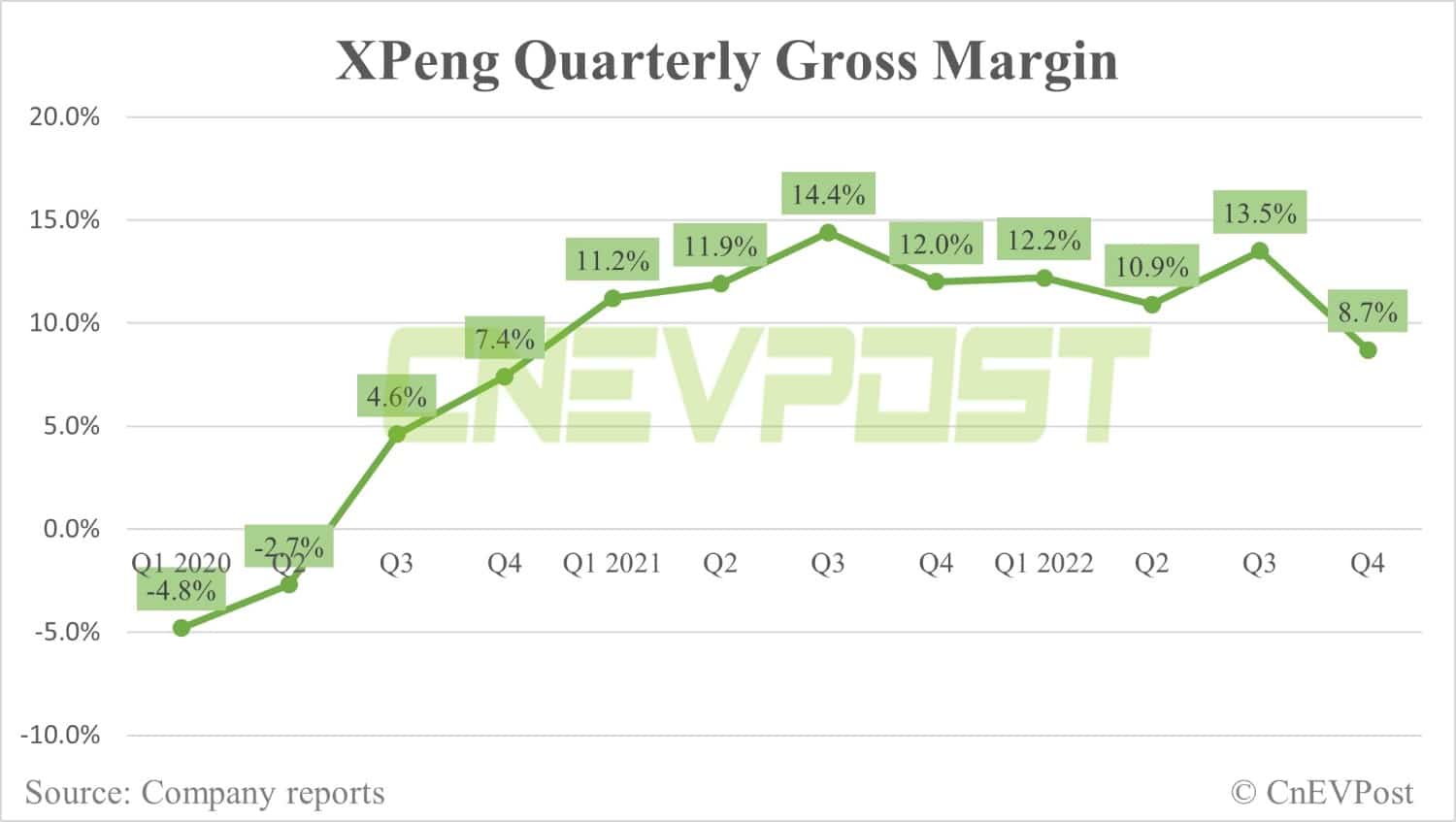
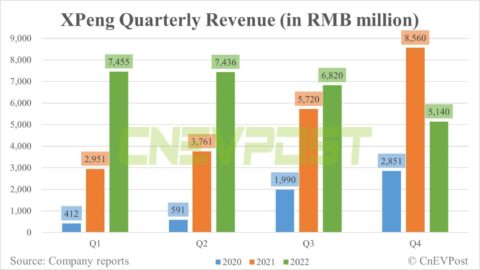
Xpeng Q4 revenue misses estimates, gross margin falls to single digit
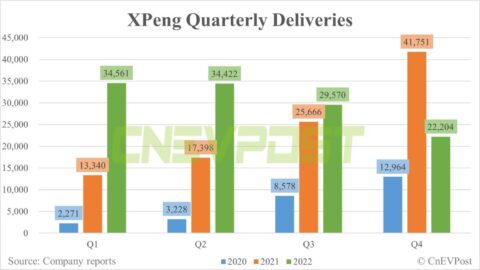
Xpeng expects first quarter vehicle deliveries to be in the range of 18,000 to 19,000 units, implying that March deliveries are expected to be 6,772 to 7,772 units.
-
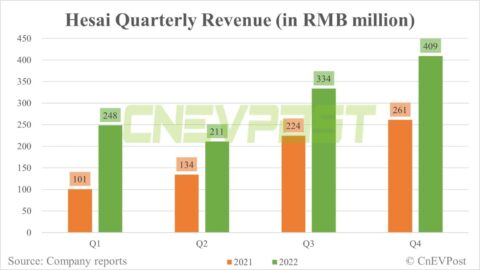
LiDAR-maker Hesai posts Q4 revenue growth of 56.6% YoY in 1st earnings report since US IPO
Hesai began trading on the Nasdaq on February 9 and has accumulated a decline of about 36 percent since then.
-
Xpeng earnings preview: Q4 to be soft with promotions hitting margins
"We expect generally soft results and a weak 1Q23 outlook due to challenging demand and pricing dynamics," Edison Yu's team said.
-
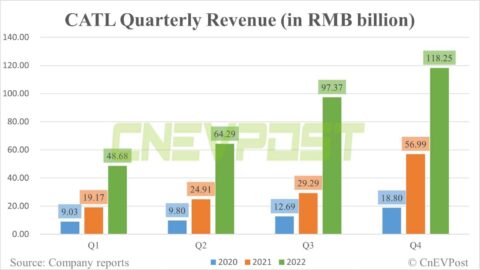
CATL sees Q4 net profit up 39% QoQ, gross margin improves further to 22.57%
CATL's capacity utilization was 83.4 percent in 2022, down from 95 percent in 2021.
-
Full text: Nio Q4 earnings call transcript
This is a full-text translation from CnEVPost of Nio's March 1 earnings call.
-
Nio Q4 earnings: Deutsche Bank's first look
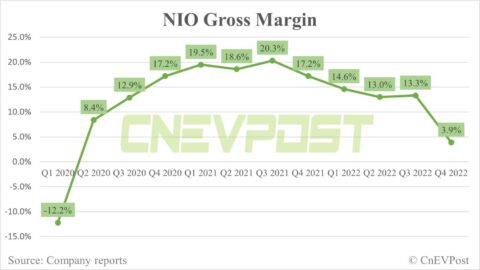
"Even if we exclude these one-time headwinds, vehicle of margin of 13.5% would have been a miss and lowest since 2Q20," Deutsche Bank said.
-
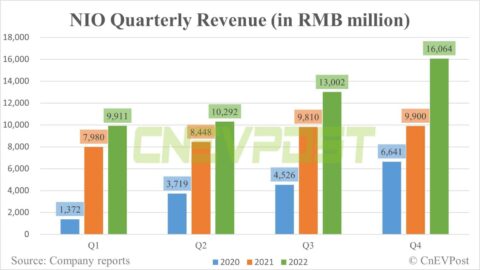
Nio reports record Q4 revenue, but falls short of expectations
Nio's vehicle margin was negatively impacted by 6.7 percentage points in the fourth quarter due to accelerated depreciation of production facilities and the loss of purchase commitments for older models.