Phate Zhang
-
Nio says report of $3 billion fundraising plan false
Nio released a statement formally responding to the report, saying it has no reportable capital-raising activity at this time other than the convertible note offering that closed today.
-
Nio mulling raising $3 billion from investors, report says
Nio is considering raising about $3 billion from investors and has approached investors from the Middle East, according to Bloomberg.
-
Nio closes $1 billion convertible notes offering
Shortly after the notes were priced, Nio purchased about $256 million aggregate principal amount of convertible senior notes due 2026 and about $244 million of convertible senior notes due 2027.
-
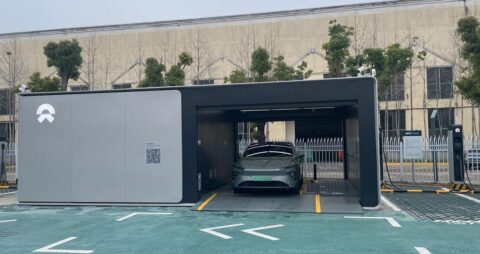
Nio to continue incentives at highway swap stations for upcoming long holidays despite reduced benefits
Nio will waive service fees for car owners using its swap stations along highways during the upcoming National Day holiday, rather than waiving both service and electricity fees as it had previously done.
-
Xpeng launches new P5: Removes LiDAR option, cuts to just 2 trims
The Xpeng P5 was the world's first production car to feature LiDAR when it went on sale on September 15, 2021, and now it's eliminating the component.
-
Xpeng says new G9 gets over 8,000 firm orders within 72 hours of launch
The 2024 G9 received more than 8,000 firm orders within 72 hours of launch, and deliveries began on September 21, Xpeng said.
-
BYD sees 500,000th Dolphin roll off line, launches 2 new commemorative versions
Cumulative deliveries of the Dolphin stood at 462,558 units at the end of August, with monthly deliveries exceeding 30,000 in each of the past six months.
-
BYD launches Dolphin as its 4th EV in Mexico
The Dolphin is the fourth model BYD launched in Mexico after the Han, Tang, and Yuan Plus, with a starting price of around $31,250.
-
Nio president says rumored European sales figures inaccurate, far below actual results
Nio president said media reports that the company sold 832 units in Europe in the first half of the year are inaccurate, and that the real results were three to four times that number.
-
Nio to extend NOP+ coverage to urban areas, targets 60,000 km available by Q4
Nio aims to boost NOP+ coverage to 200,000 kilometers of urban roads by the first quarter of 2024.