EV Industry
+ Follow-
Evergrande's car-making progress suffers new setback as its models disappear from regulatory list
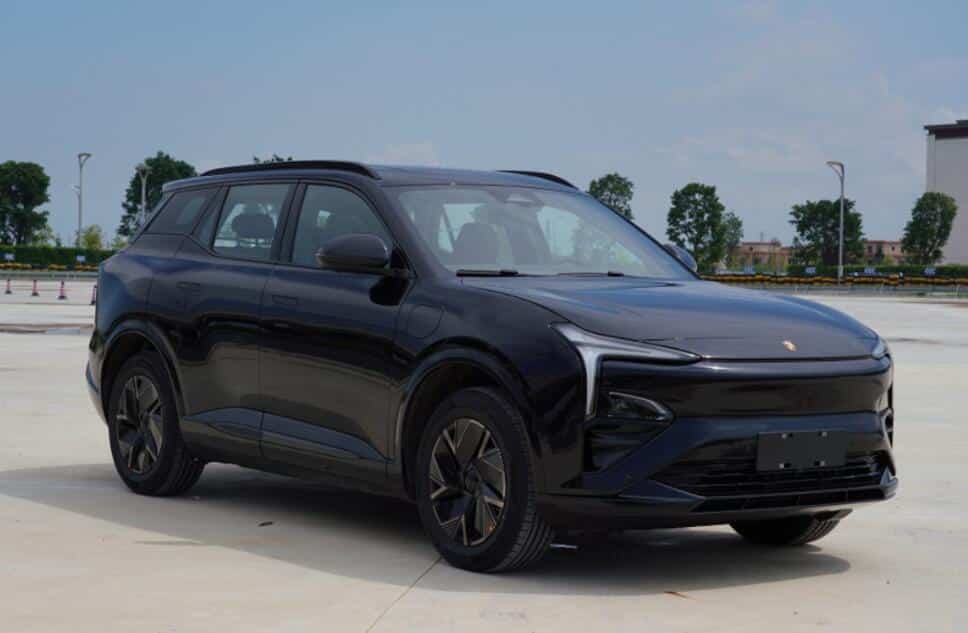
Two of Evergrande's models appeared on the MIIT's list seeking public feedback early last month, but disappeared from the final list.
-
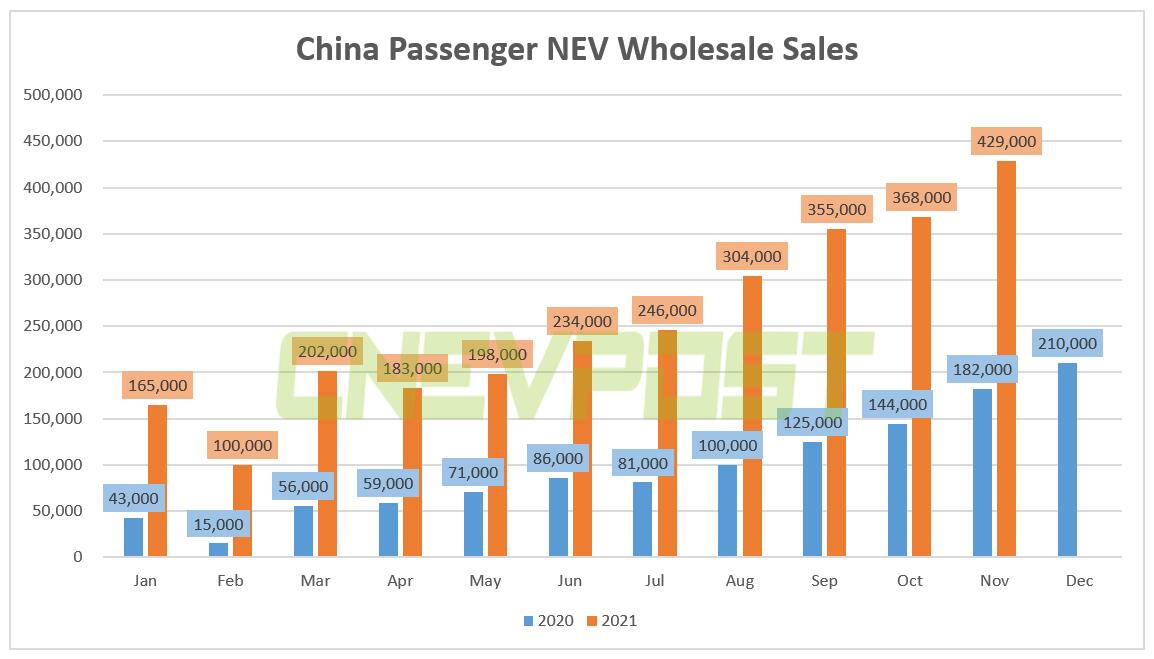
China's wholesale sales of passenger NEVs reached 429,000 units in Nov, CPCA data show
The penetration of NEVs in China was 20.8 percent of retail sales in November, compared to 13.9 percent in January-November.
-
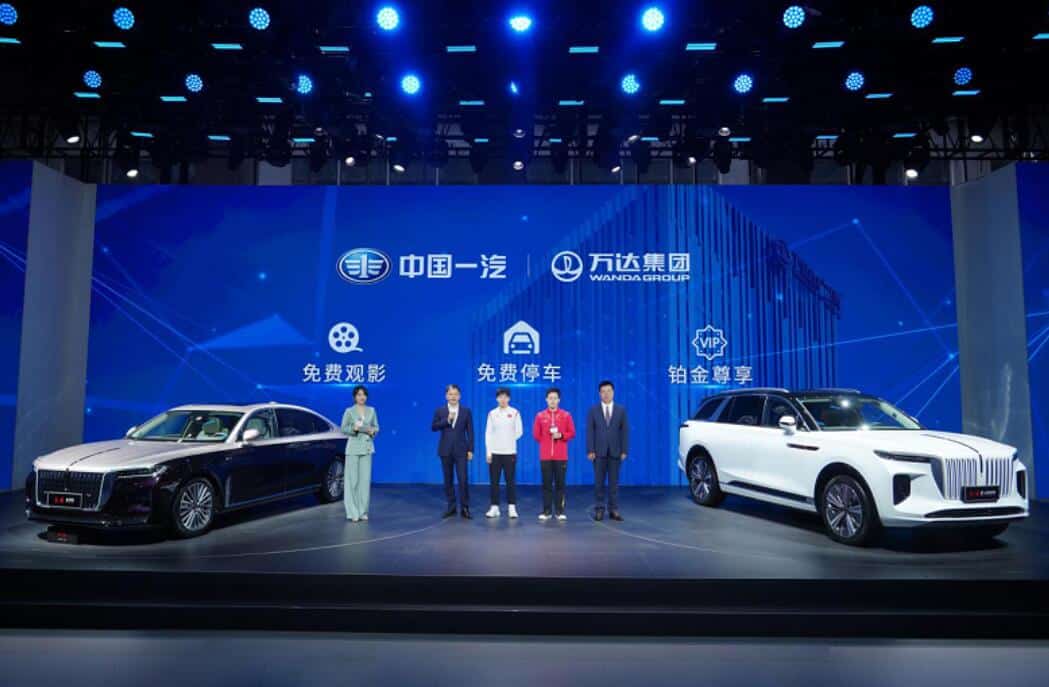
Chinese property developer Wanda taps Hyundai exec to head its auto business
Unlike its local counterpart Evergrande Group, which is directly involved in making cars, Wanda seems to be aiming at the car sales and service sector.
-
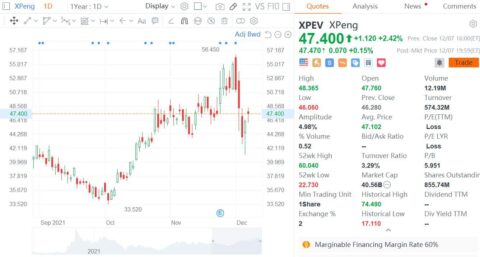
Xpeng president says threat of US delisting still 'several years away'
Brian Gu believes there is still time for the US and Chinese governments to reach a compromise.
-
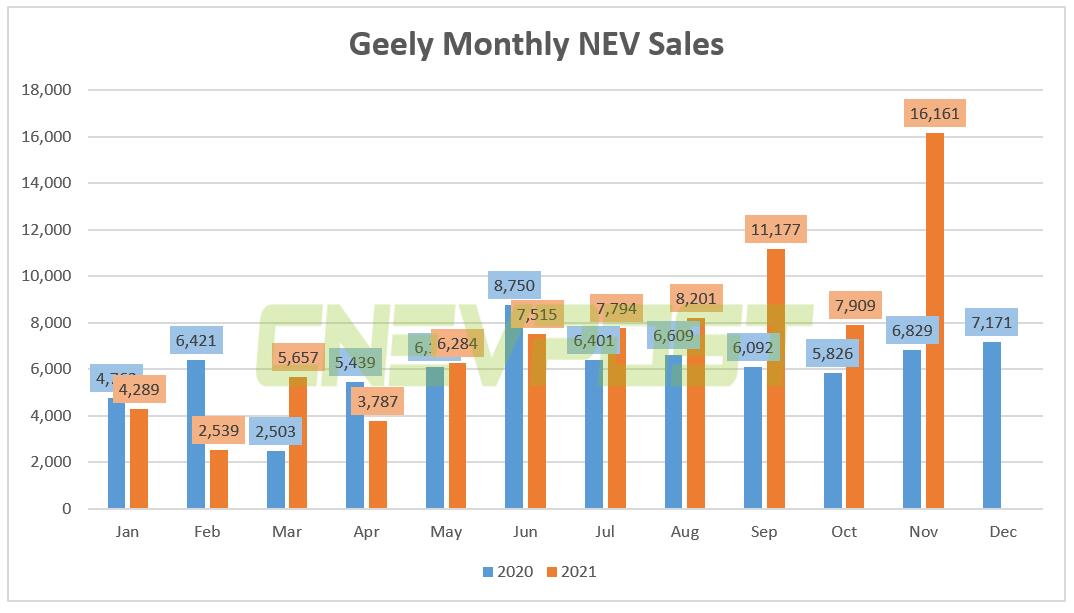
Geely sold record 16,161 NEVs in Nov, up 137% year-on-year
Geely sold 135,869 of all its vehicles in November, down about 10 percent from a year earlier.
-
Chinese securities regulator says it recently had constructive communication with US SEC, PCAOB
The CSRC has made positive progress with regulators, including the US SEC and PCAOB, in advancing cooperation on a number of key matters, according to a statement.
-
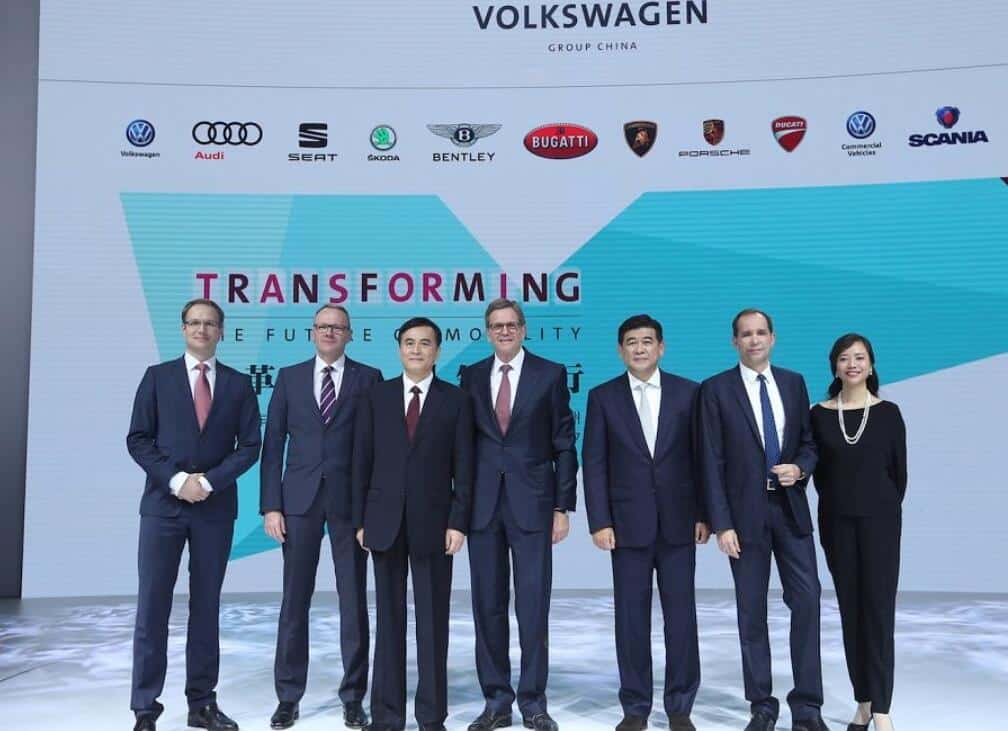
Former Volkswagen China exec creates new EV brand
Details of the brand are expected to be announced at next year's Beijing Auto Show, and Dongfeng Motor plans to OEM the vehicles for it.
-
Chinese regulator calls on EV industry players to address challenges posed by cold weather
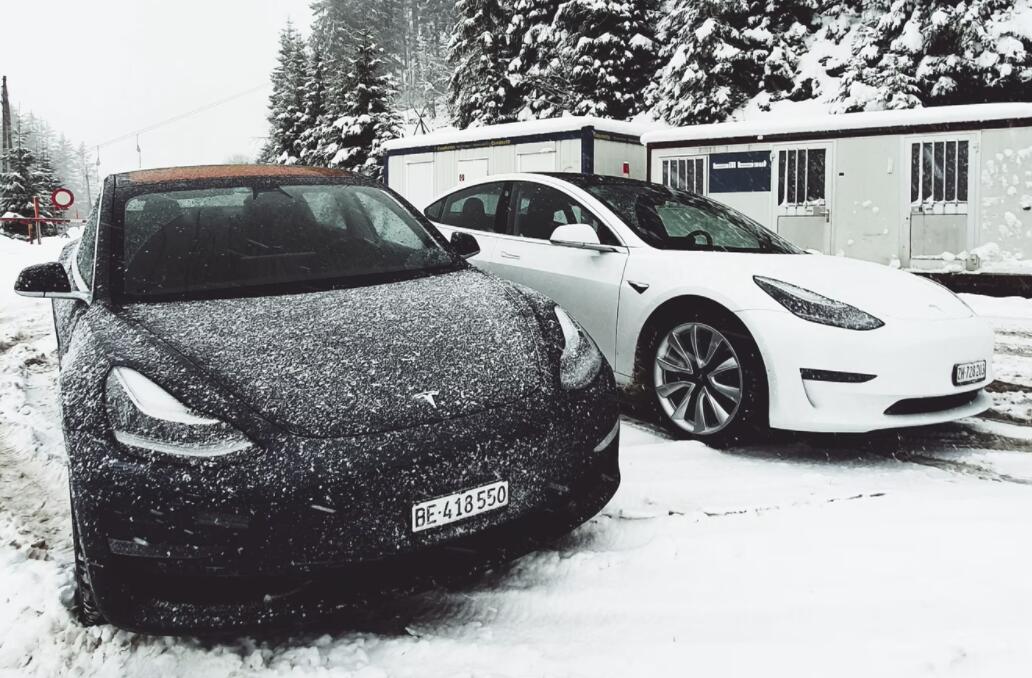
A Chinese regulatory body has asked industry players to first ensure that users can use their vehicles properly.
-
Didi announces it will delist from US, starts preparations for HK listing
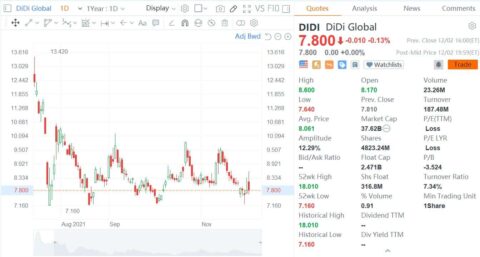
Didi announced today that it is starting the process of delisting from the New York Stock Exchange with immediate effect and initiating preparations for a listing in Hong Kong.
-
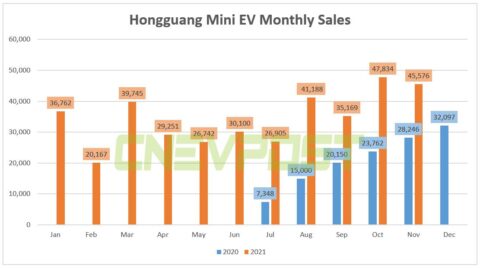
Hongguang Mini EV sold 45,576 units in Nov, up 22% year-on-year
Wuling's GSEV (Global Small Electric Vehicle) architecture-based model sold a total of 50,141 units in November.