- Xpeng plans to launch pilot robotaxi operations in the second half of this year to validate technical viability, user acceptance, and its business model.
- The company expects to achieve fully autonomous daily operations without on-site safety officers by early 2027.
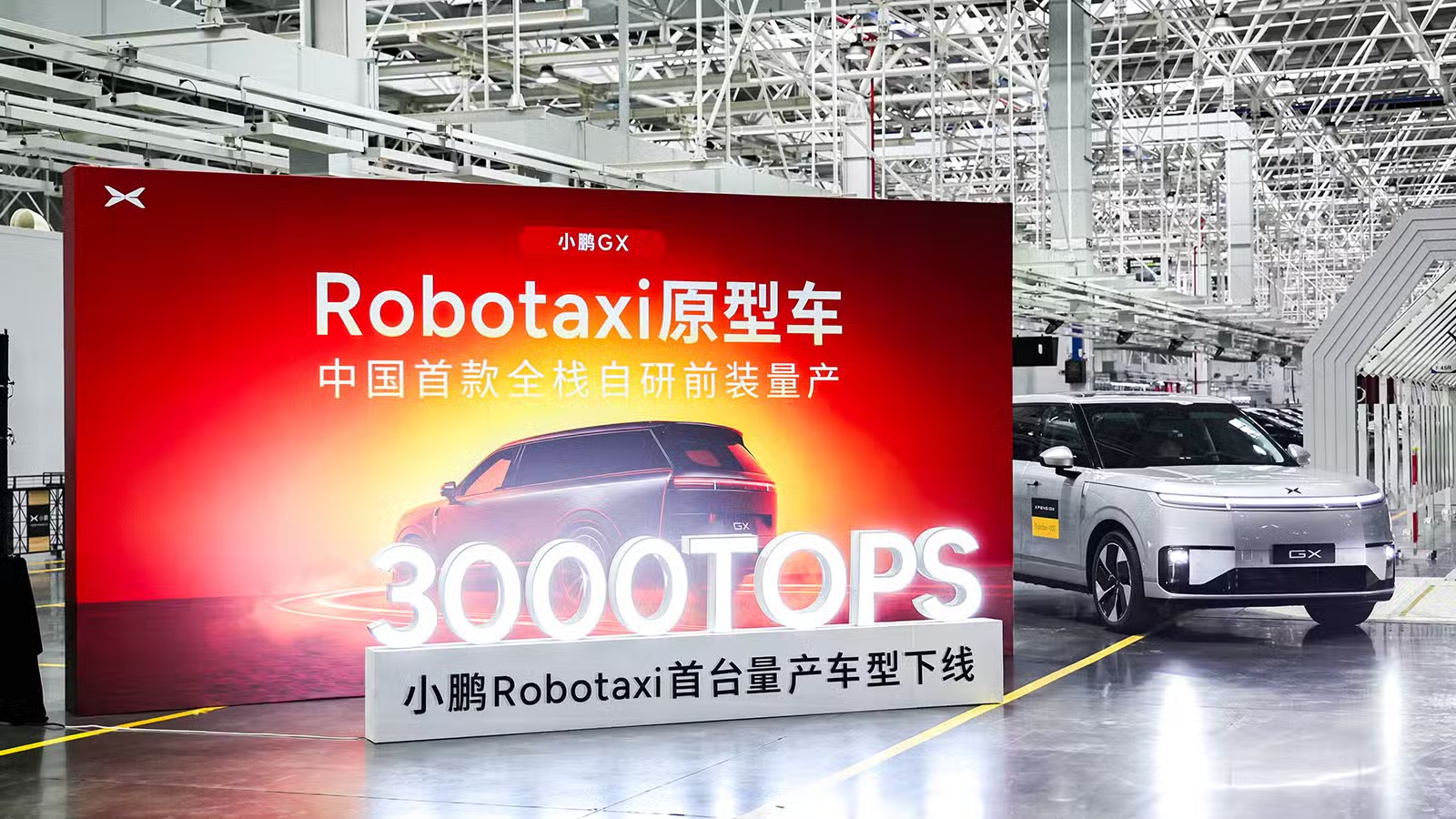
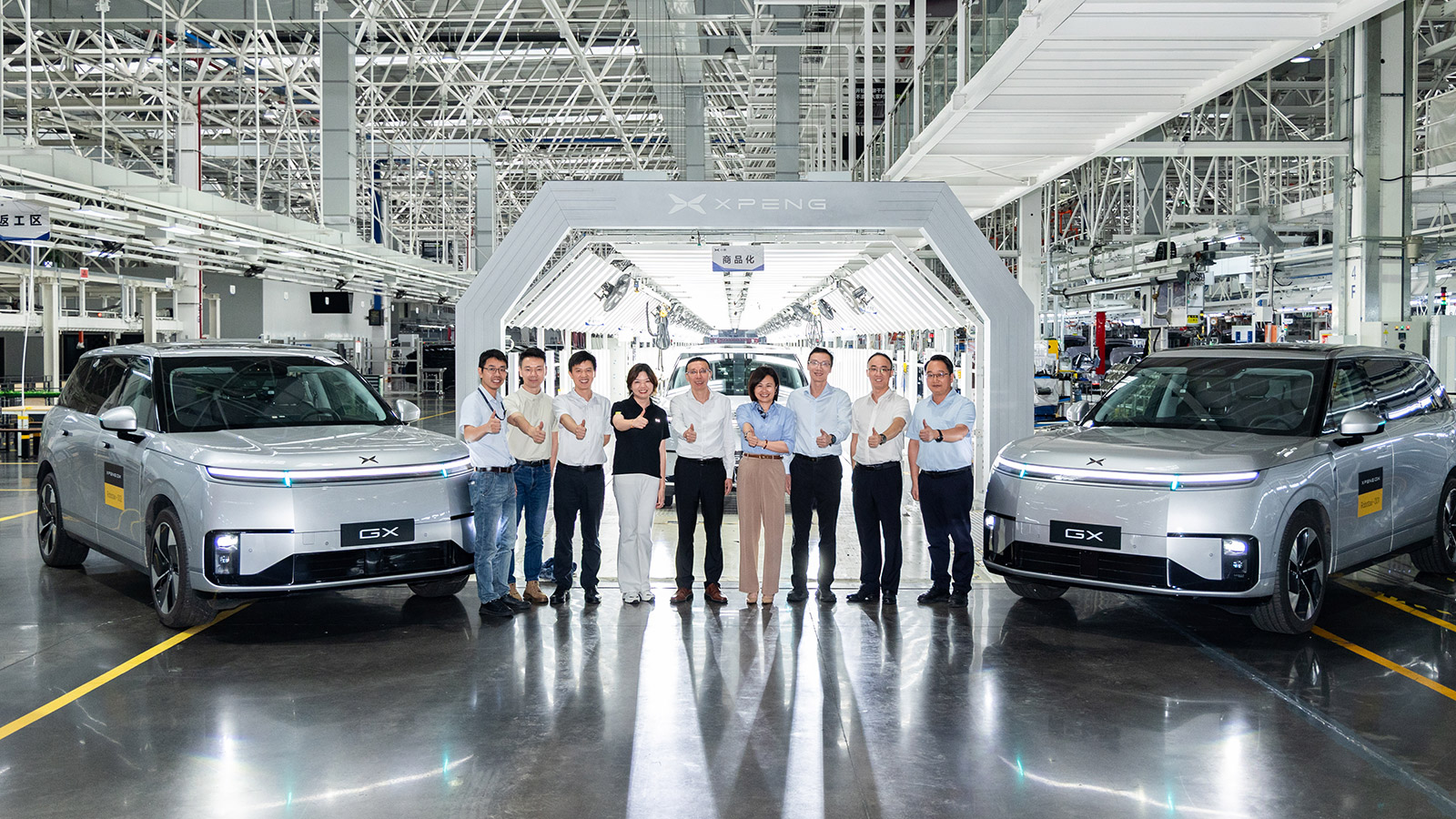
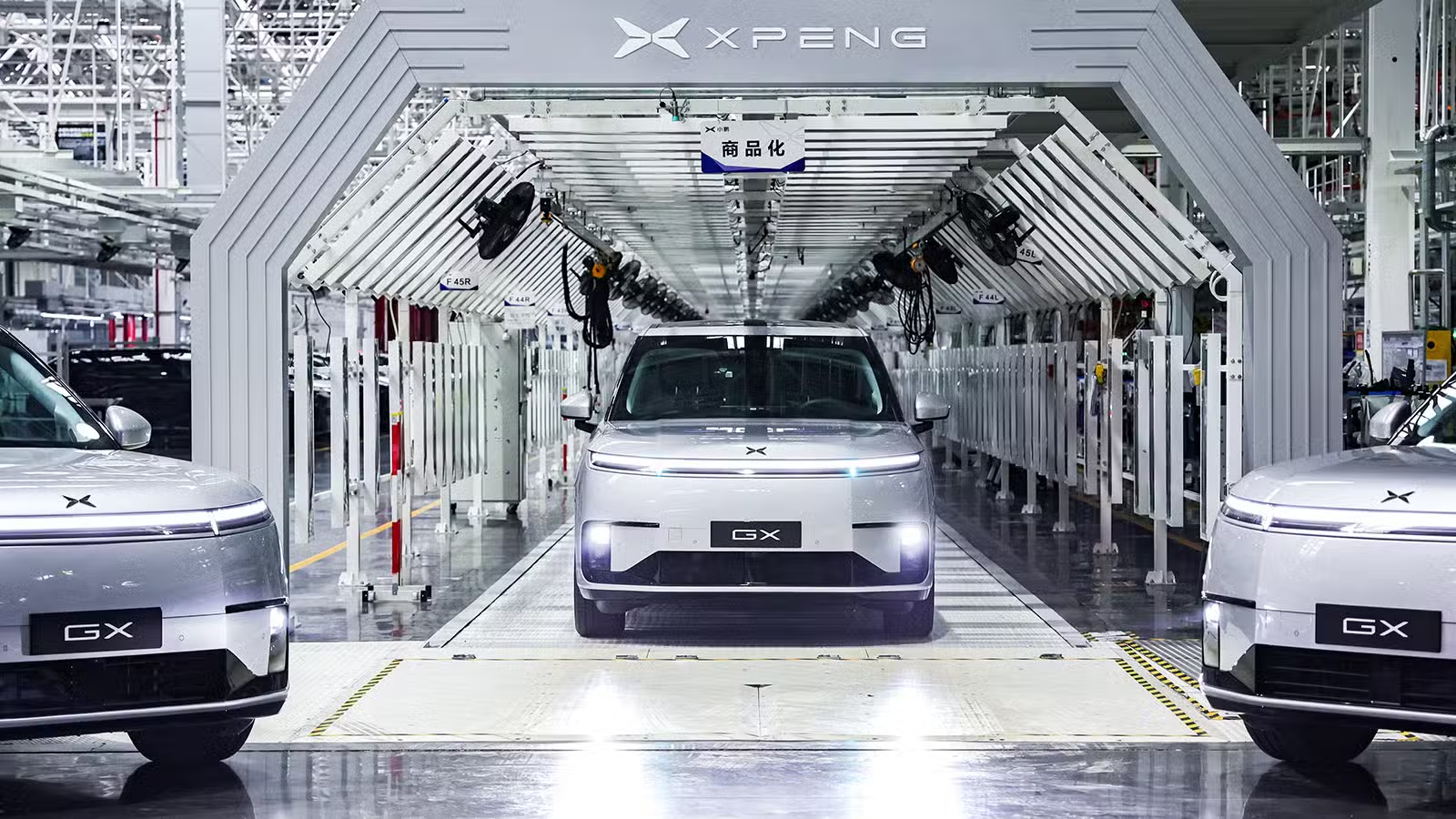
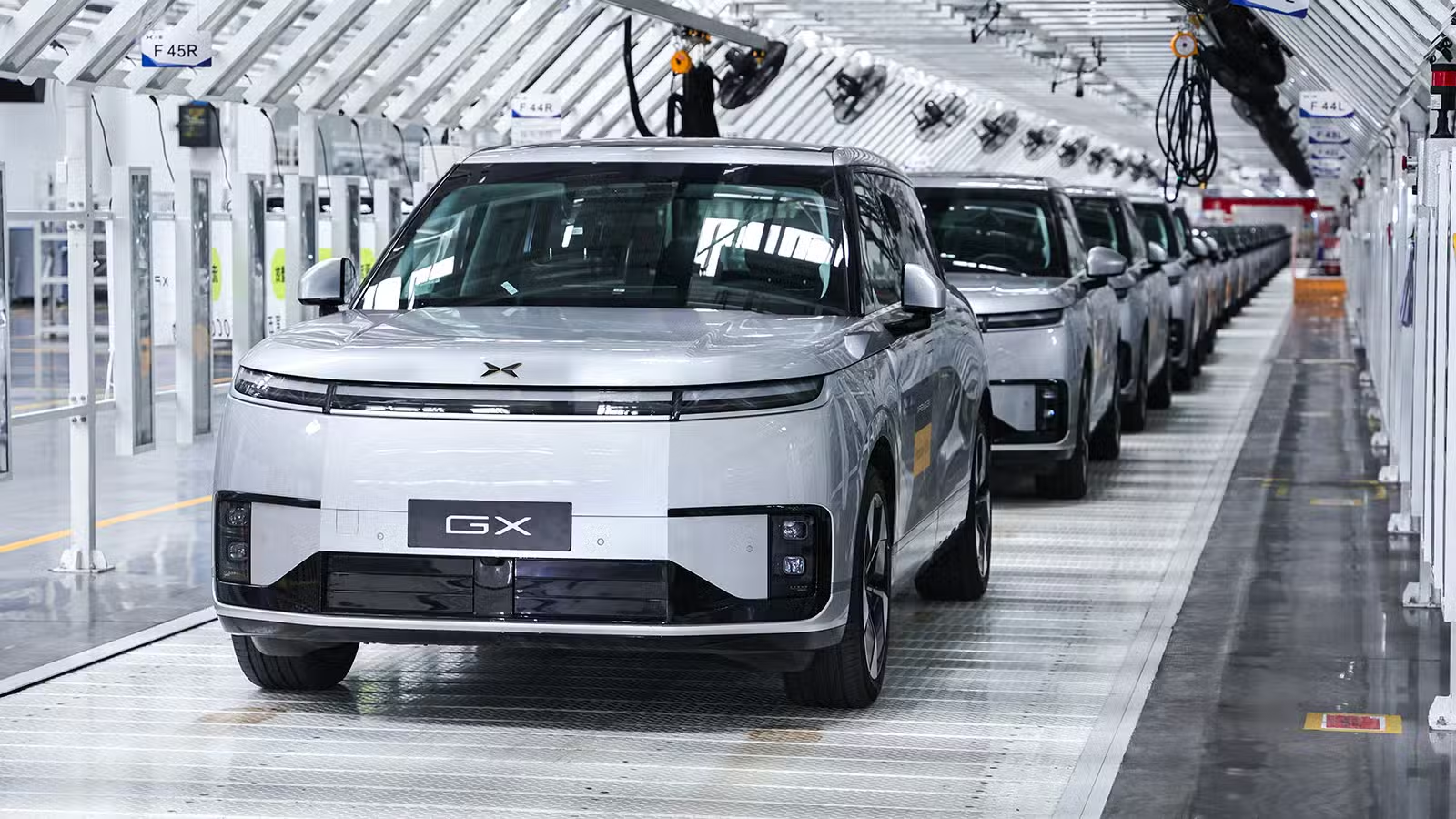
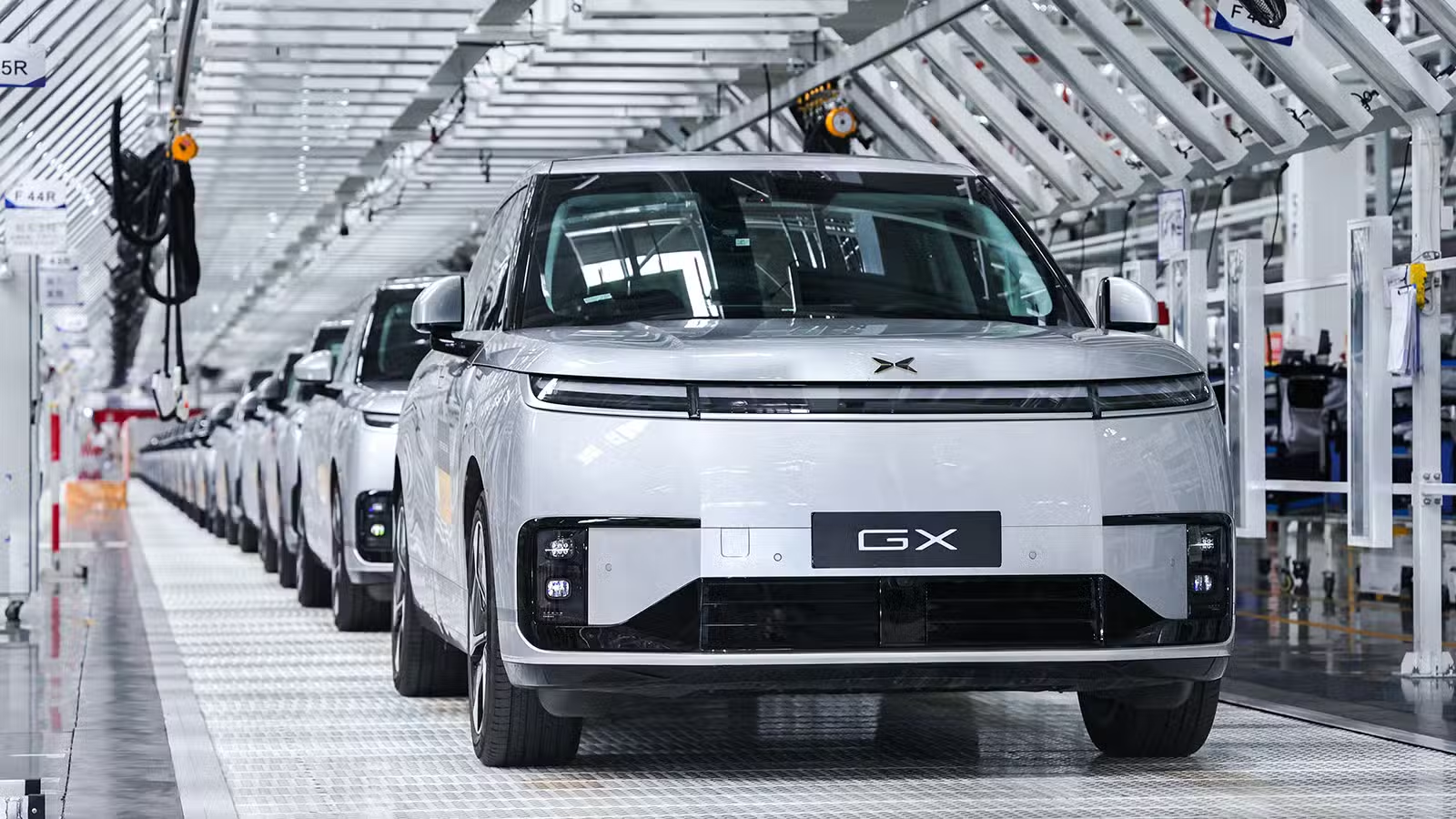
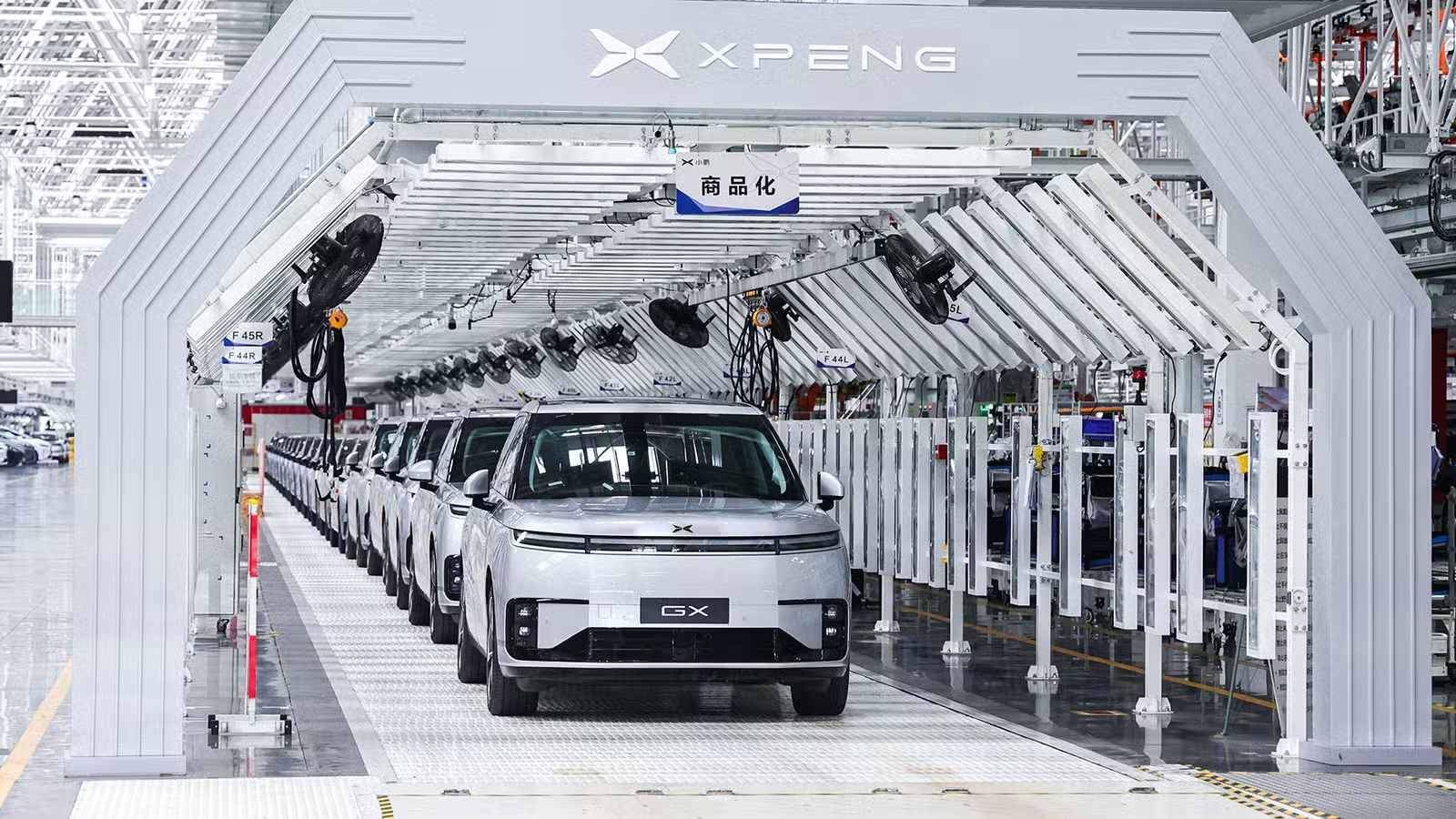
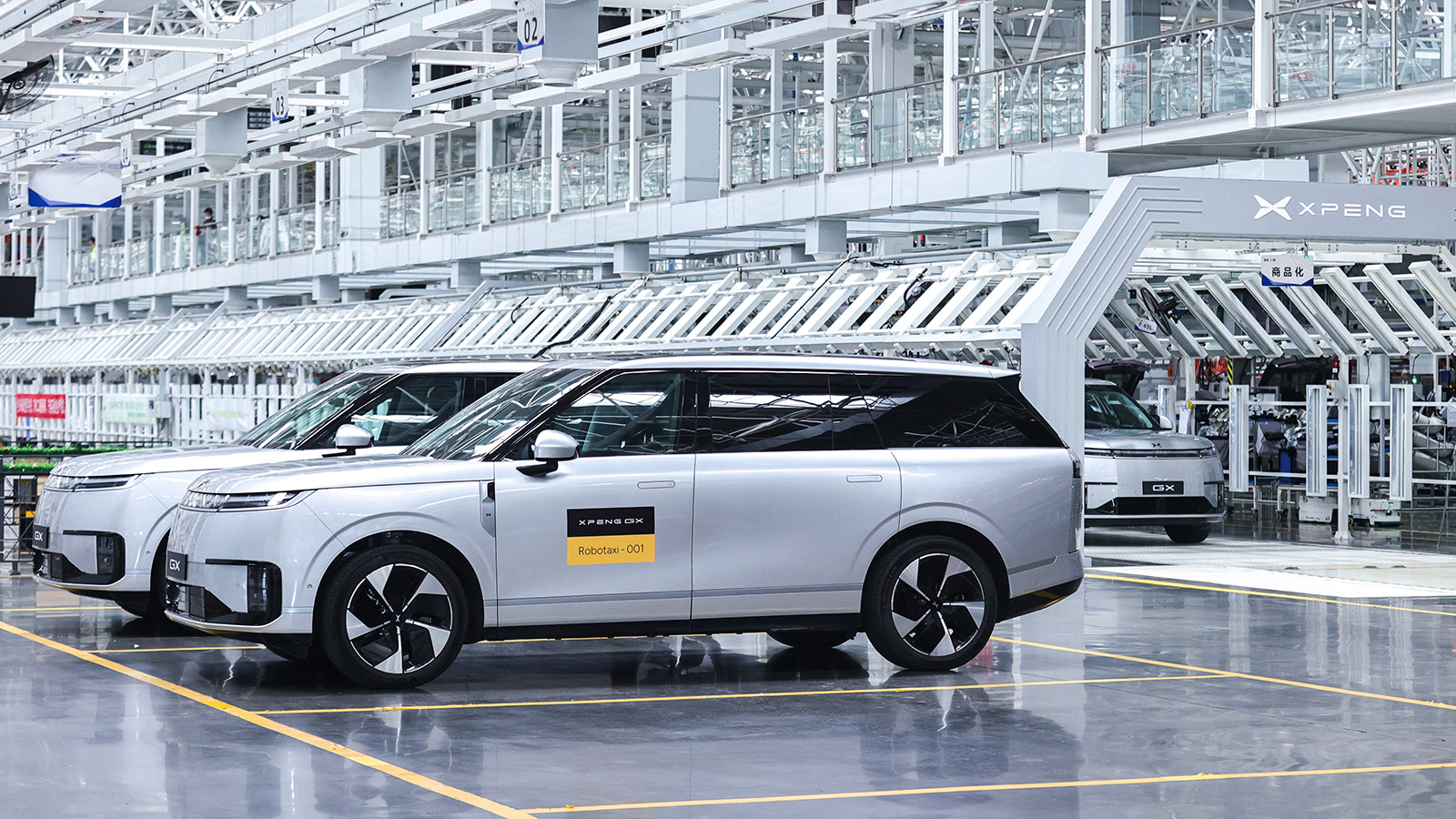
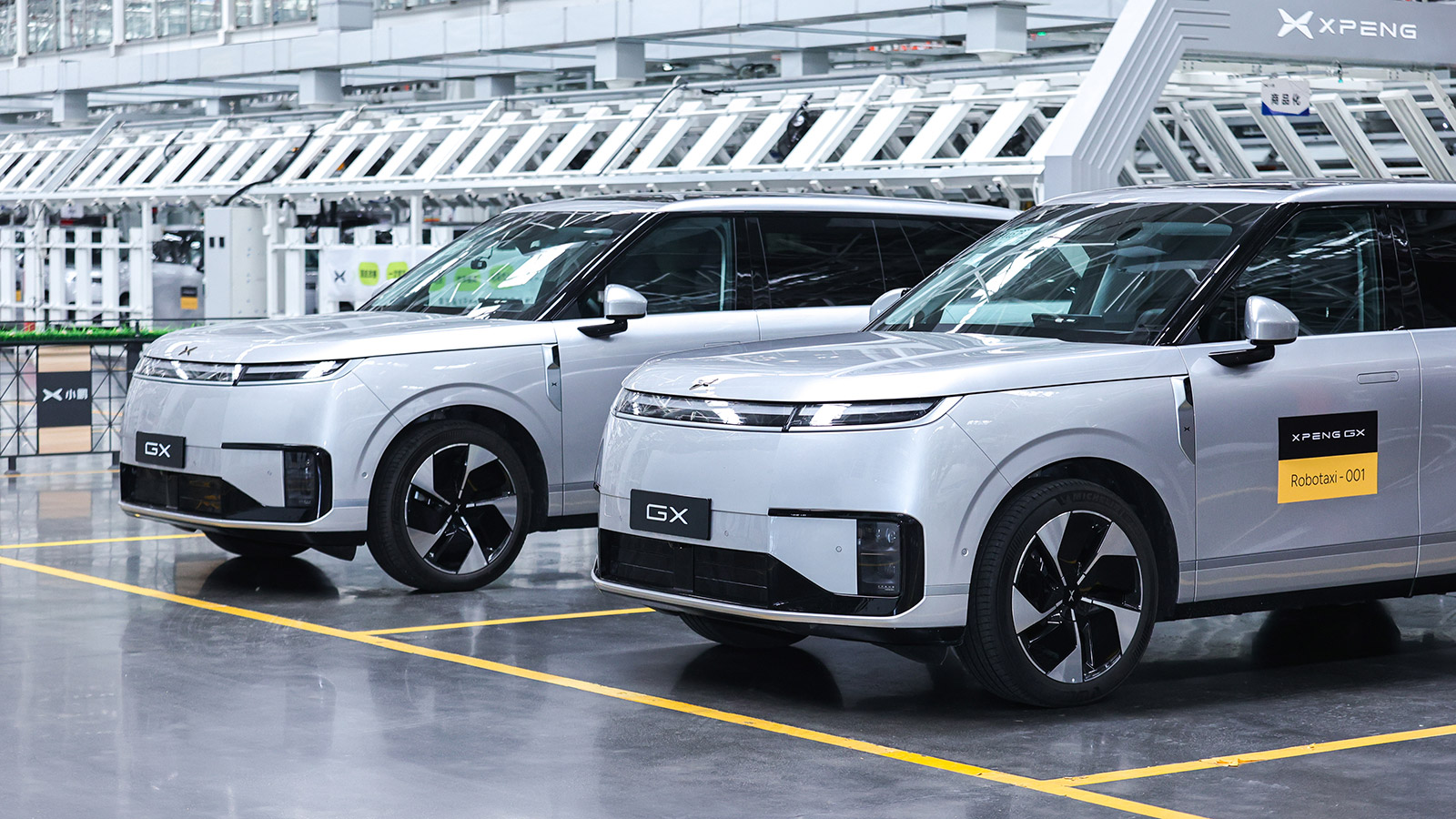
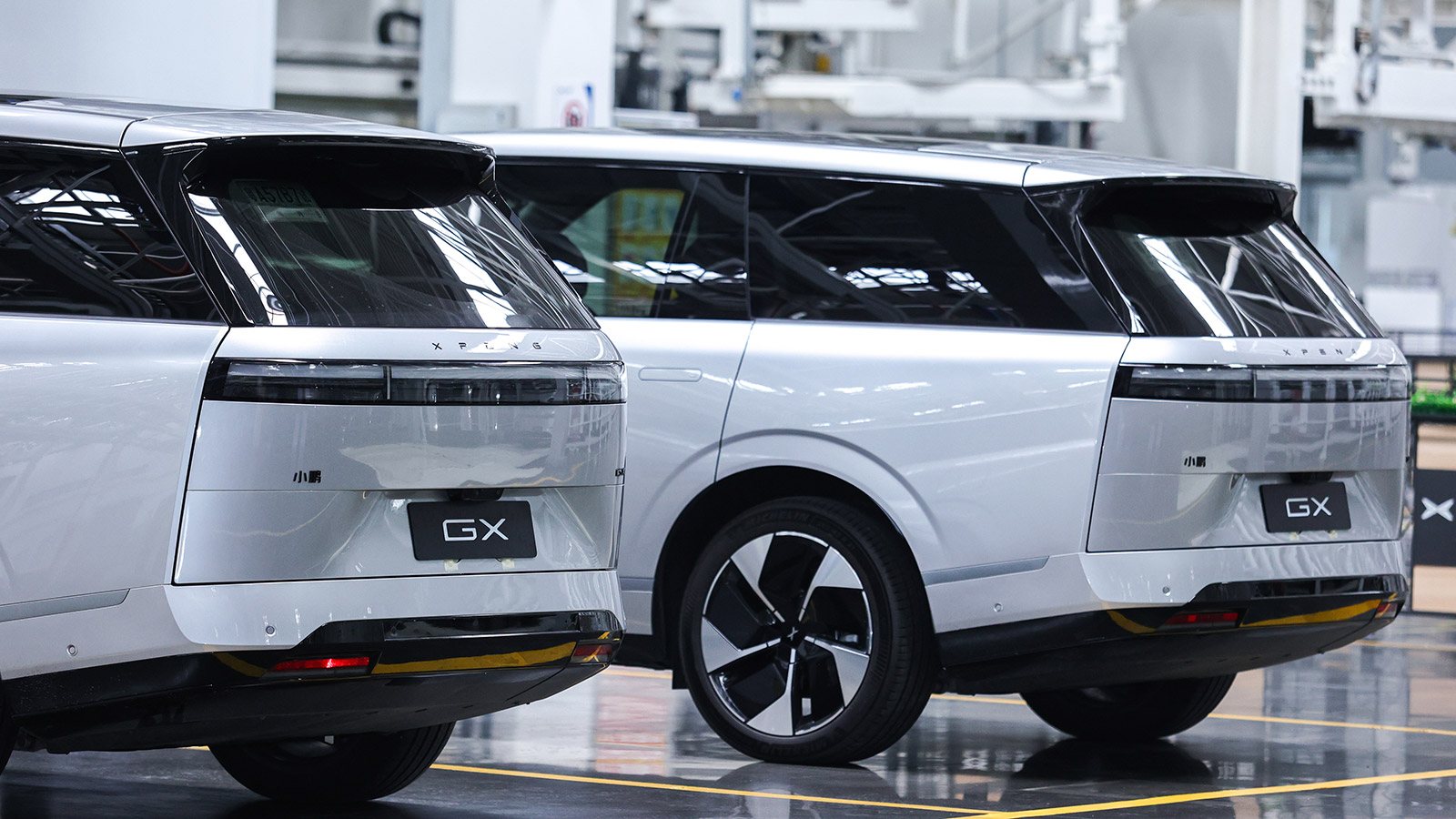
Xpeng (NYSE: XPEV) announced today that its first mass-produced robotaxi unit has officially rolled off the production line in Guangzhou, making the company the first automaker in China to achieve mass production of robotaxis.
The new model is built on Xpeng's GX platform and engineered to L4 autonomous driving standards.
The vehicle is equipped with four of Xpeng's in-house developed Turing AI chips, delivering up to 3,000 TOPS of on-board computing power.
The robotaxi abandons LiDAR and high-definition maps in favor of a pure-vision autonomous driving solution, aligning with the strategy used for Xpeng's conventional vehicles.
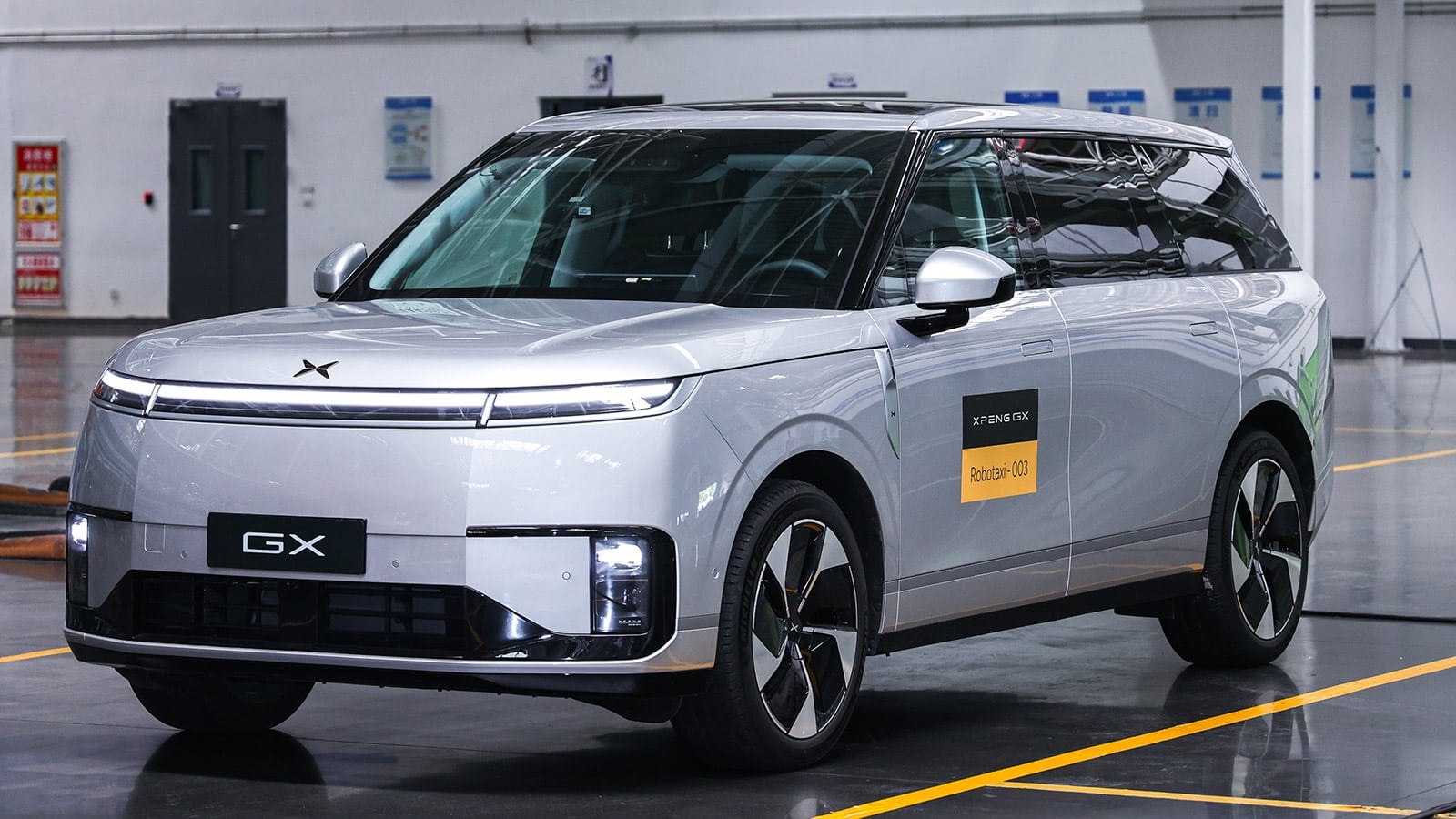
Its decision-making process is driven by the VLA 2.0 end-to-end large model, which compresses system response latency to under 80 milliseconds, according to a statement on Monday.
The model significantly enhances the vehicle's urban generalization capabilities, enabling flexible deployment across cities and even cross-border deployment.
Inside the cabin, the mass-produced model features privacy glass, comfortable zero-gravity seats, and rear in-car entertainment screens.
Passengers can enjoy multimedia entertainment during their ride and adjust various in-car settings via a built-in voice assistant.
Xpeng plans to launch pilot robotaxi operations in the second half of this year to validate technical viability, user acceptance, and its business model.
The company expects to achieve fully autonomous daily operations without on-site safety officers by early 2027.
To accelerate this commercialization process, Xpeng established a dedicated robotaxi business unit in March this year.
The department will oversee product definition, R&D testing, and operations, thereby driving the rapid implementation of autonomous driving technology.
The company also opened its robotaxi software development kit (SDK), with Amap becoming its first global ecosystem partner.
The vehicle's roll-out represents a critical inflection point for the robotaxi industry as it transitions from technical validation to large-scale commercialization.
Xpeng is leveraging its full-stack capabilities spanning software, chips, and complete vehicles to significantly shorten the cycle from R&D to commercial operations.
As the flagship product of its physical AI ecosystem, the robotaxi shares the same VLA 2.0 large model foundation as the humanoid robot Iron.
In the conventional passenger vehicle segment, Xpeng began pre-sales of the GX on April 15. The full-size SUV (sport utility vehicle) has a starting pre-sales price of 399,800 yuan ($58,620).
The model will officially launch in China on May 20, marking Xpeng's further expansion into the high-end luxury market.

($1 = 6.8099 yuan)