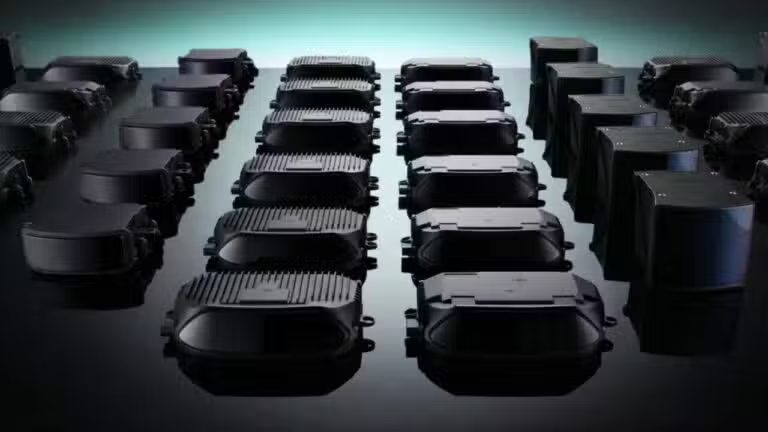
- Rivian is considering making its own LiDAR sensors in the US using Chinese technology, rather than buying directly from Chinese suppliers.
- Chinese suppliers such as Hesai and RoboSense currently dominate the market with advanced and low-cost LiDAR technology.
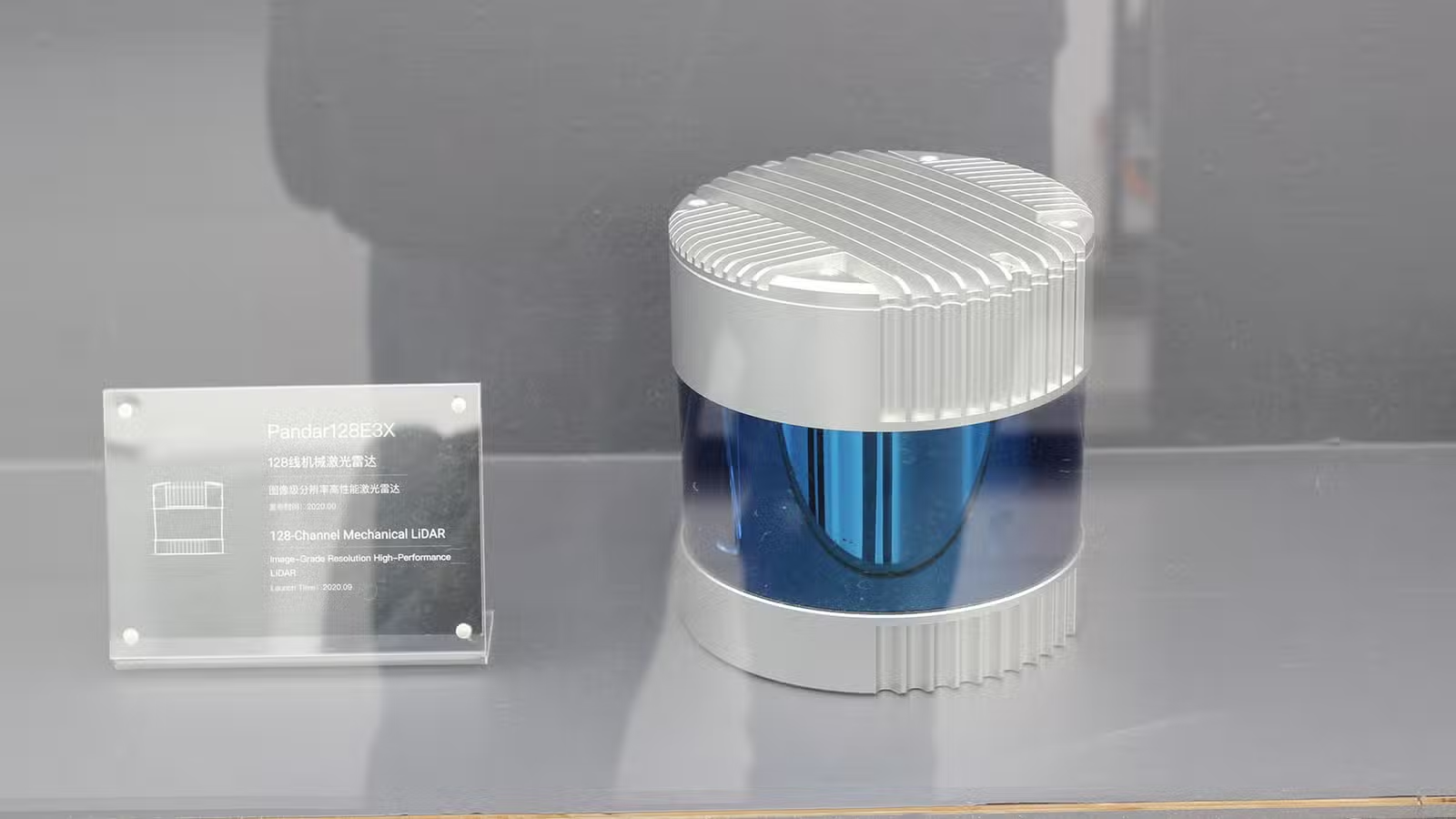
Rivian (NASDAQ: RIVN) is considering developing and manufacturing its own LiDAR sensors, and may partner with a Chinese firm to achieve this goal.
The US electric vehicle (EV) maker's CEO RJ Scaringe revealed the strategy in an interview with Reuters on Tuesday, according to a report on Wednesday.
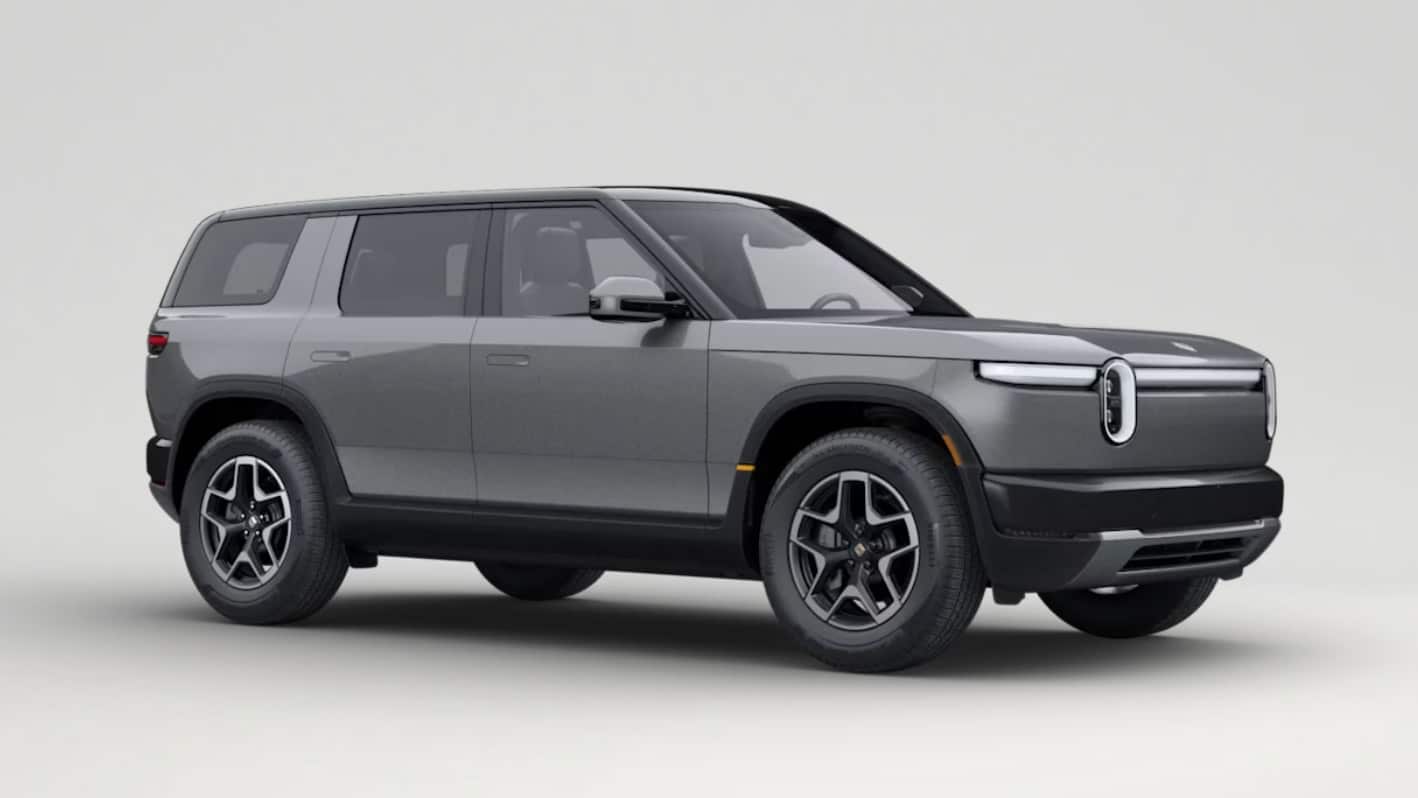
Rivian said that a version of its R2 vehicles coming later this year will be equipped with LiDAR sensors, which help self-driving cars gain a three-dimensional view of the road.
The California-based EV maker launched an in-house chip development plan last year, aiming to develop its proprietary self-driving technology to compete with Tesla's products, the Reuters report noted.
Rather than buying directly from Chinese suppliers, Rivian is mulling making its own LiDAR sensors in the US using Chinese technology, possibly through a joint venture, Scaringe said in the interview.
For the sensors at a "low hundreds of dollars price point" required by automakers like Rivian, "all the real choices are coming out of China," Scaringe said.
Leading Chinese LiDAR makers currently include Hesai (NASDAQ: HSAI) and RoboSense (HKEX: 2498), which dominate the market for small and cheap LiDARs.
These Chinese suppliers are rapidly advancing their technology development. Hesai recently released a full-color LiDAR chip that supports up to 4,320 laser channels.
RoboSense also launched a new digital architecture and a 2,160-channel flagship chip. These components have already secured design wins from top global automakers and are scheduled for mass production and vehicle integration in 2026.
As Chinese EV makers widely adopt LiDAR sensors, their costs have dropped significantly.
The technology is accelerating its expansion from high-end EVs to affordable transportation, with Hesai even starting to supply pure solid-state LiDARs for Niu Technologies' electric two-wheelers.