LiDAR
-
Chinese LiDAR maker Hesai opens its 1st European office in Germany
This will help it further expand into the European market and accelerate its globalization, Hesai said.
-
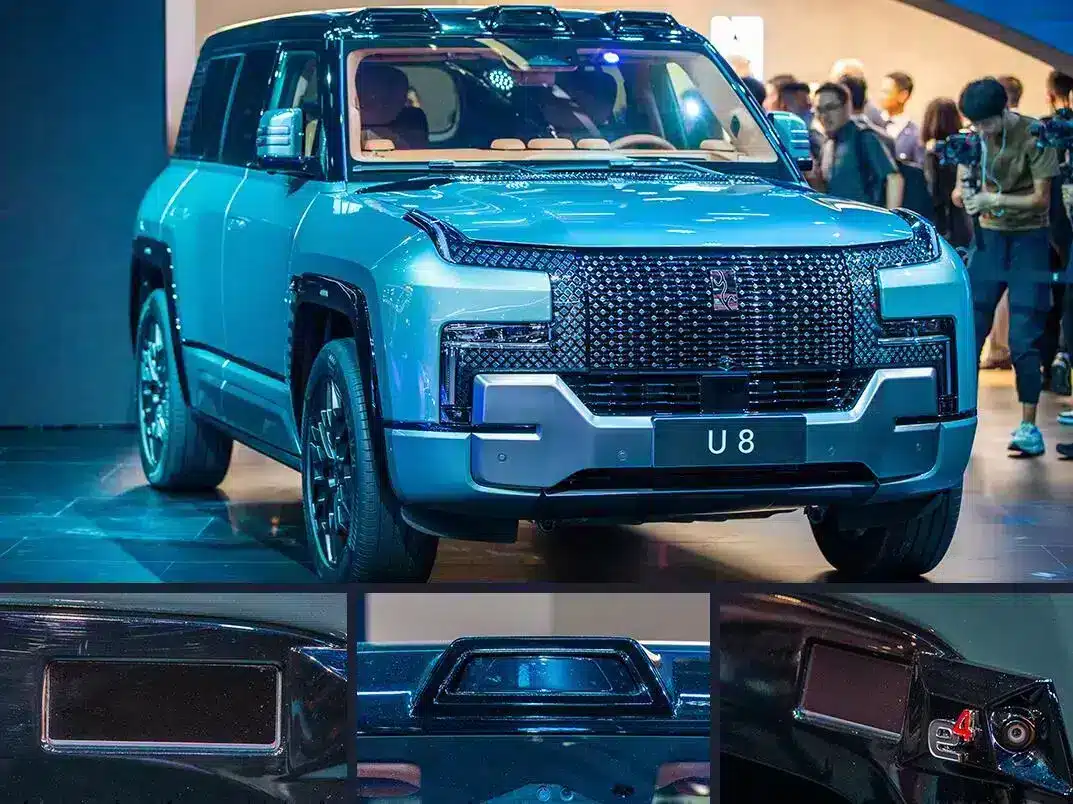
Shanghai auto show: EVs take center stage, nearly 40 models equipped with LiDARs
There are 38 models equipped with LiDARs, of which BYD-backed RoboSense is the biggest winner, being the supplier of 18 of them.
-
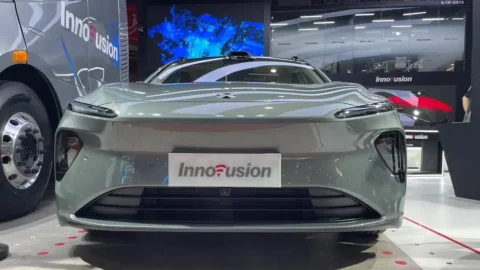
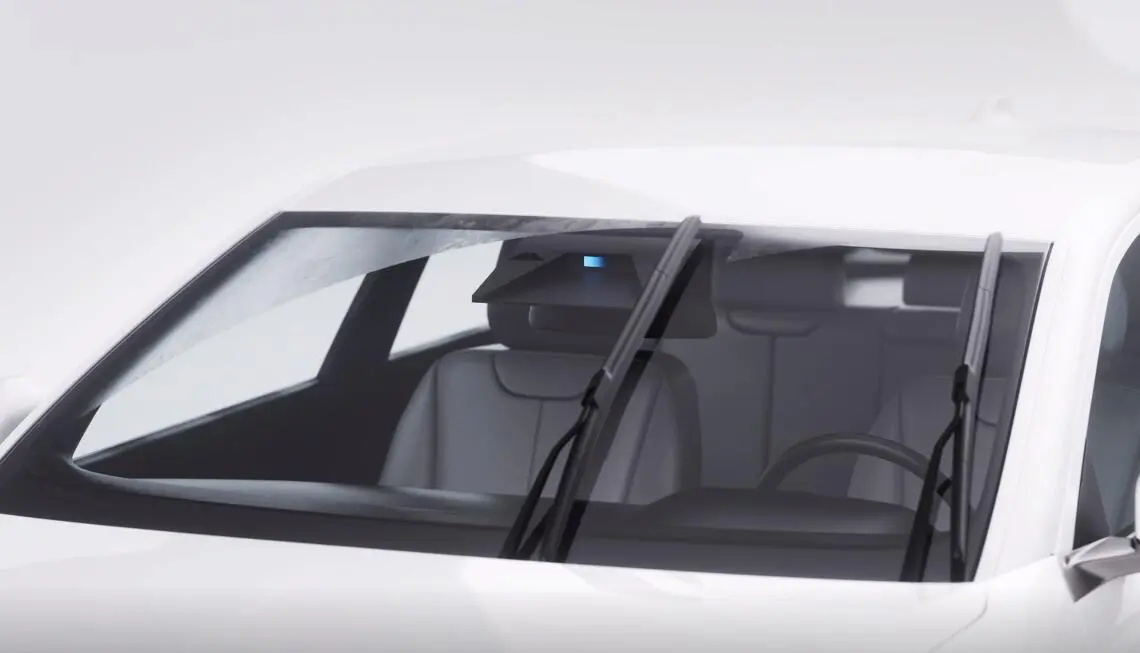
Nio supplier Innovusion partners with Fuyao to put LiDAR behind windshield
Innovusion and Fuyao have begun joint research that has resulted in LiDAR integration behind the front windshield with less than 10 percent attenuation of detection performance.
-
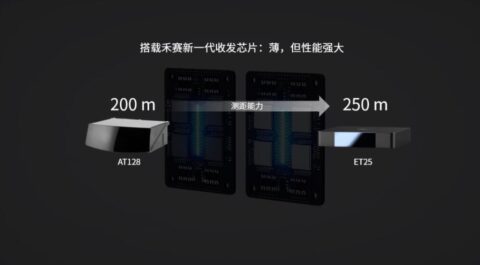
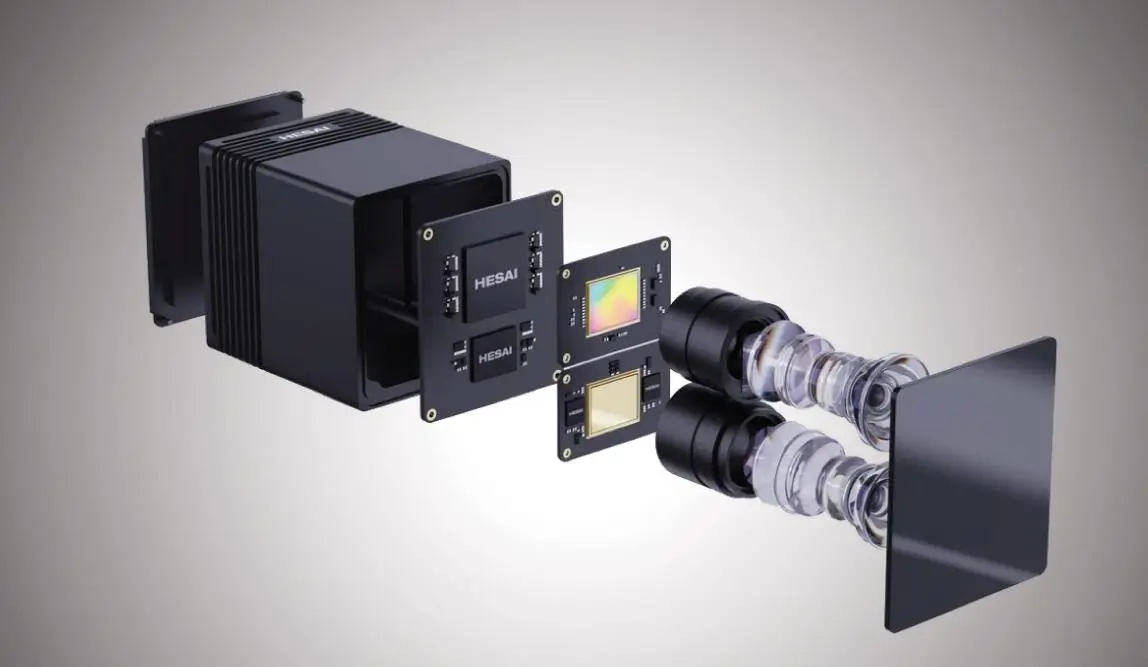
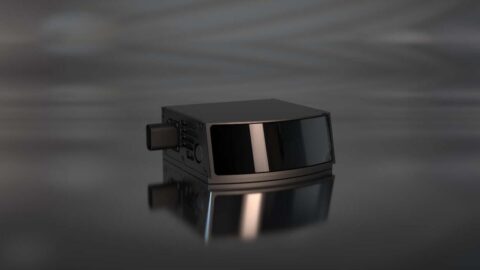
Hesai unveils ultra-thin LiDAR ET25 that can be placed behind windshield
The Hesai ET25 is an in-cockpit LiDAR designed to be placed behind the front windshield, with the help of Fuyao's special windshield to solve the signal attenuation problem.
-
LiDAR-maker Hesai to set up software R&D headquarters in Chongqing
Hesai shipped 80,462 LiDAR units for the full year 2022, up 467.5 percent year-on-year.
-
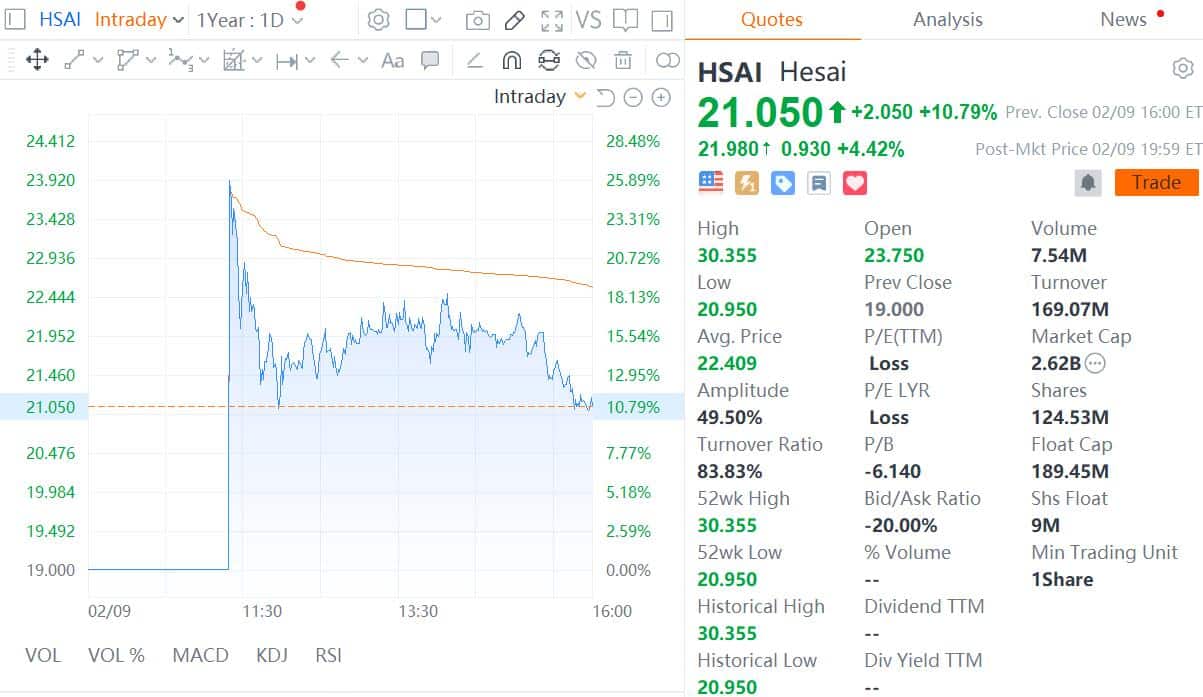
Hesai debuts on Nasdaq, becoming 1st Chinese LiDAR maker to go public in US
Hesai's US IPO raised about $190 million, making it the largest IPO of a Chinese company in the US in the past 18 months.
-
BYD-backed RoboSense to provide LiDARs for multiple Toyota models
RoboSense will provide RS-LiDAR-M series LiDARs for a number of FAW Toyota's best-selling models, promising accurate sensing capabilities for vehicles.
-
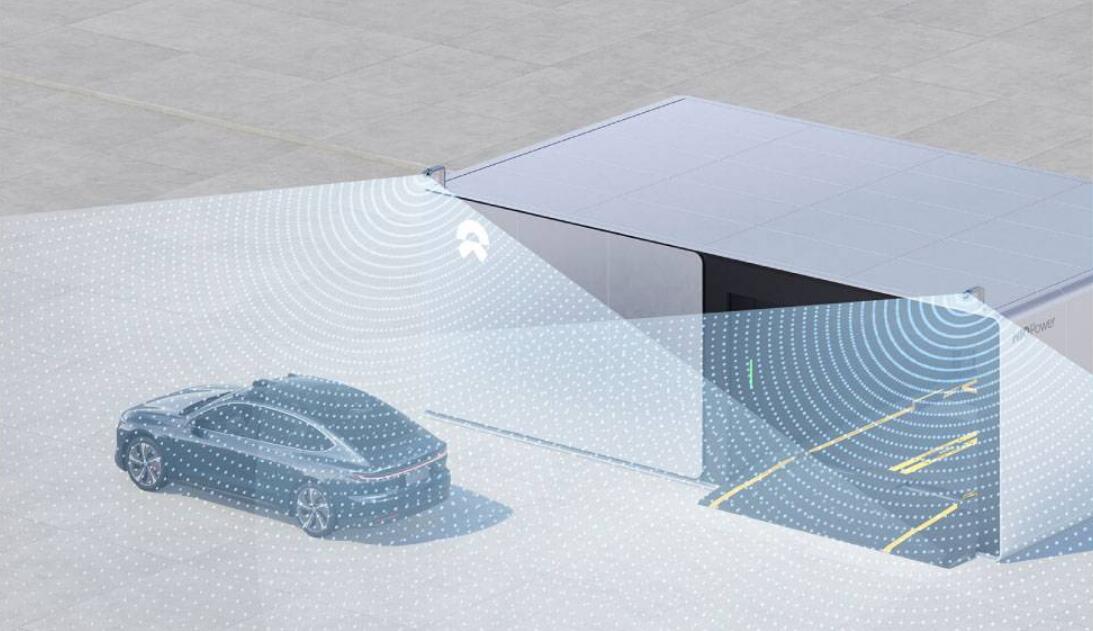
Nio unveils 3rd-gen swap station, each with 2 LiDARs and 2 Nvidia Orin chips
LiDARs and Nvidia Orin chips enable more accurate vehicle-station collaboration to support functions such as summoning and auto-parking.
-
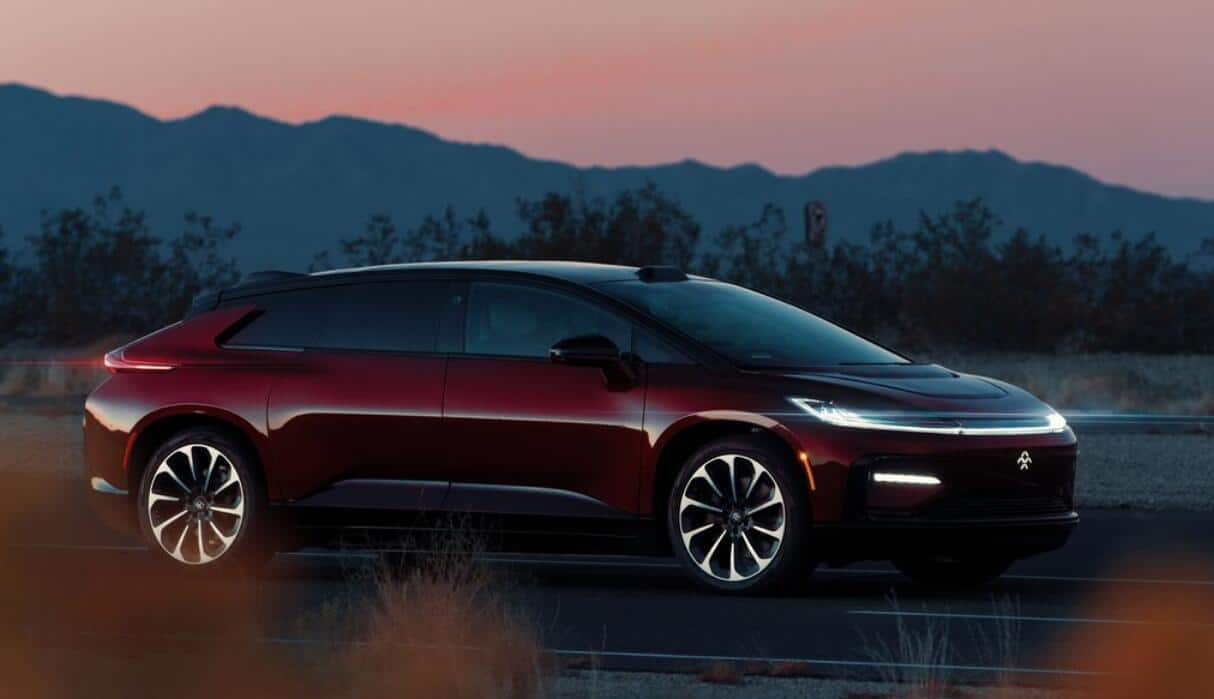
Faraday Future to source LiDARs from Nio supplier Innovusion
Faraday Future has selected Nio supplier Innovusion's Falcon LiDAR to power the FF 91's autonomous driving system.
-
BYD reportedly developing LiDARs
BYD is increasing its investment in LiDAR research and development in order to secure core devices and ensure a safe and reliable supply chain, according to local media.