SAIC
+ Follow-
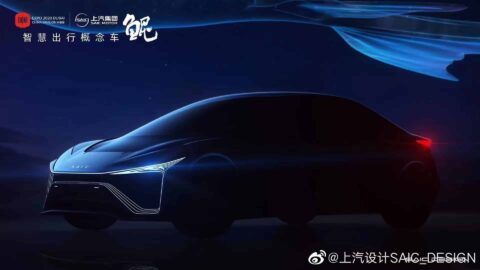
SAIC to debut concept car 'Kun' at Expo Dubai
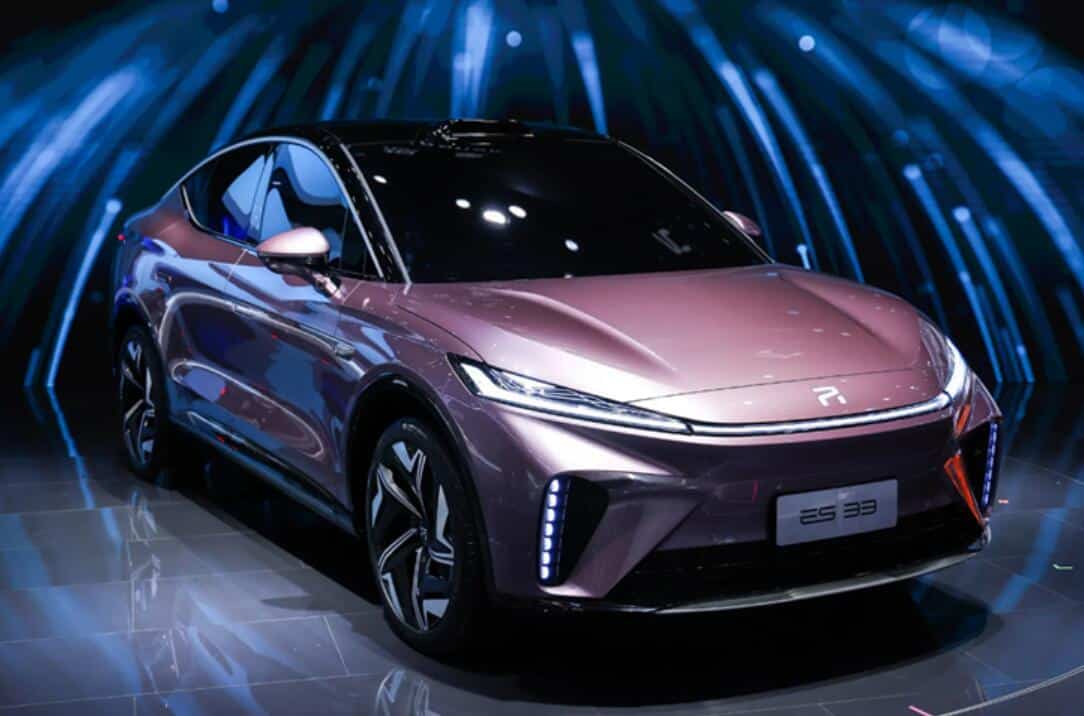
These teaser images show that the concept car has a very short front and rear end, with the middle cockpit taking up most of the space.
-
SAIC-GM-Wuling debuts its computing chip
SAIC-GM-Wuling unveiled its computing chip at a launch event on September 15, saying its specifications have reached the technical level of similar foreign products.
-
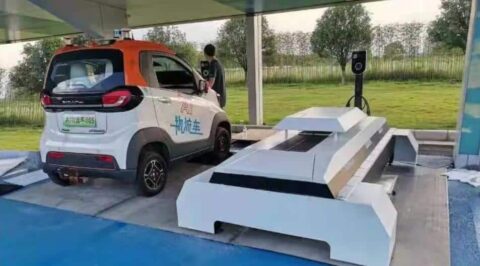
SAIC-GM-Wuling unveils mini battery swap station
The battery swap station takes up the area of the parking space needed for two Baojun E200s, which measurs just 2,497*1,526*1,616 mm.
-
SAIC aims to sell over 2.7 million NEVs globally by 2025
China's largest automaker SAIC Motor aims to sell more than 2.7 million new energy vehicles (NEVs) worldwide by 2025, accounting for at least 32 percent of its total sales.
-
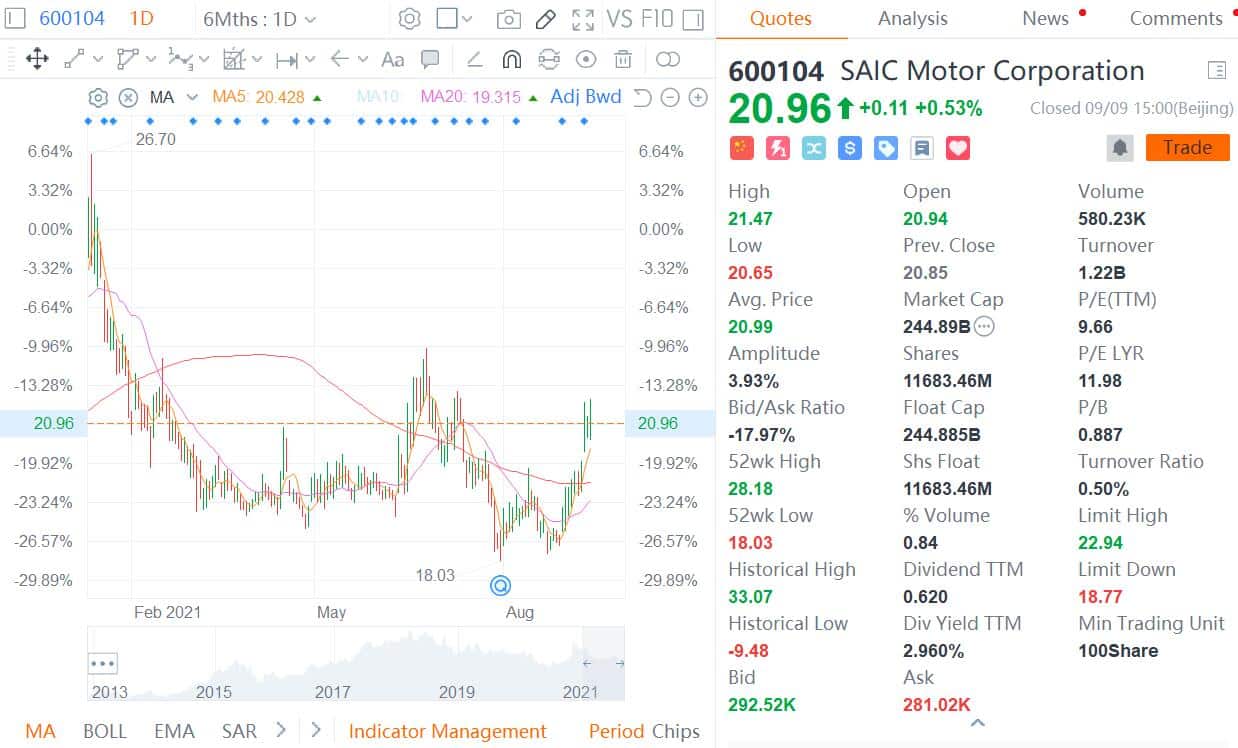
SAIC unveils share buyback plan of up to RMB 3 billion after tepid stock performance
By Thursday's close, the company's shares were down 12 percent this year. BYD, by comparison, rose 40 percent in the same period.
-
SAIC sold over 70,000 NEVs in Aug, up 171% from a year earlier
SAIC passenger vehicle branch's Roewe, MG and R brand sold more than 17,000 NEVs combined in August, up 390 percent year-on-year.
-
Wuling says Mini EV cumulative sales top 370,000, unveils two new color options
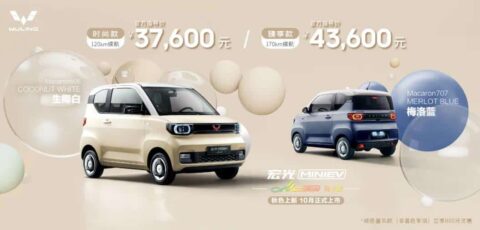
The Hongguang Mini EV offers 120km, 170km NEDC range options and are priced at RMB 37,600 ($5,820) and RMB 43,600 respectively.
-
SAIC says it sold over 280,000 NEVs in H1, up over 400% from a year earlier
SAIC sold about 260,000 units overseas in the first half, up nearly 100 percent year-over-year, the company said.
-
SAIC ups its bet on smart driving for commercial vehicles
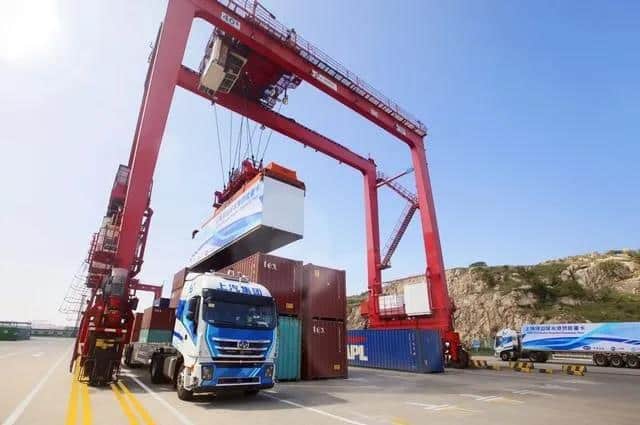
A wave of autonomous driving is sweeping China's auto industry, and commercial vehicles are being included.
-
SAIC reports revenue of $55 billion in H1, up 30% year-over-year
SAIC's first-half net profit attributable to shareholders of the listed company was RMB 13.31 billion, up 58.61 percent year-over-year.