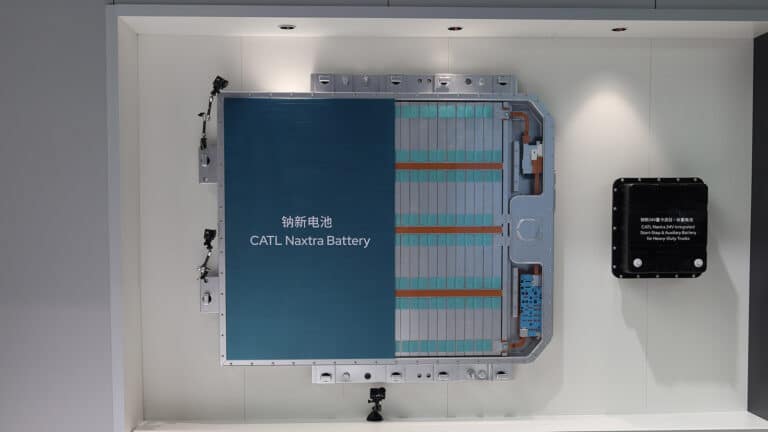
- CATL and Yutong signed a strategic memo, deepening 15-year exclusive supply ties.
- The companies plan to jointly explore overseas markets.
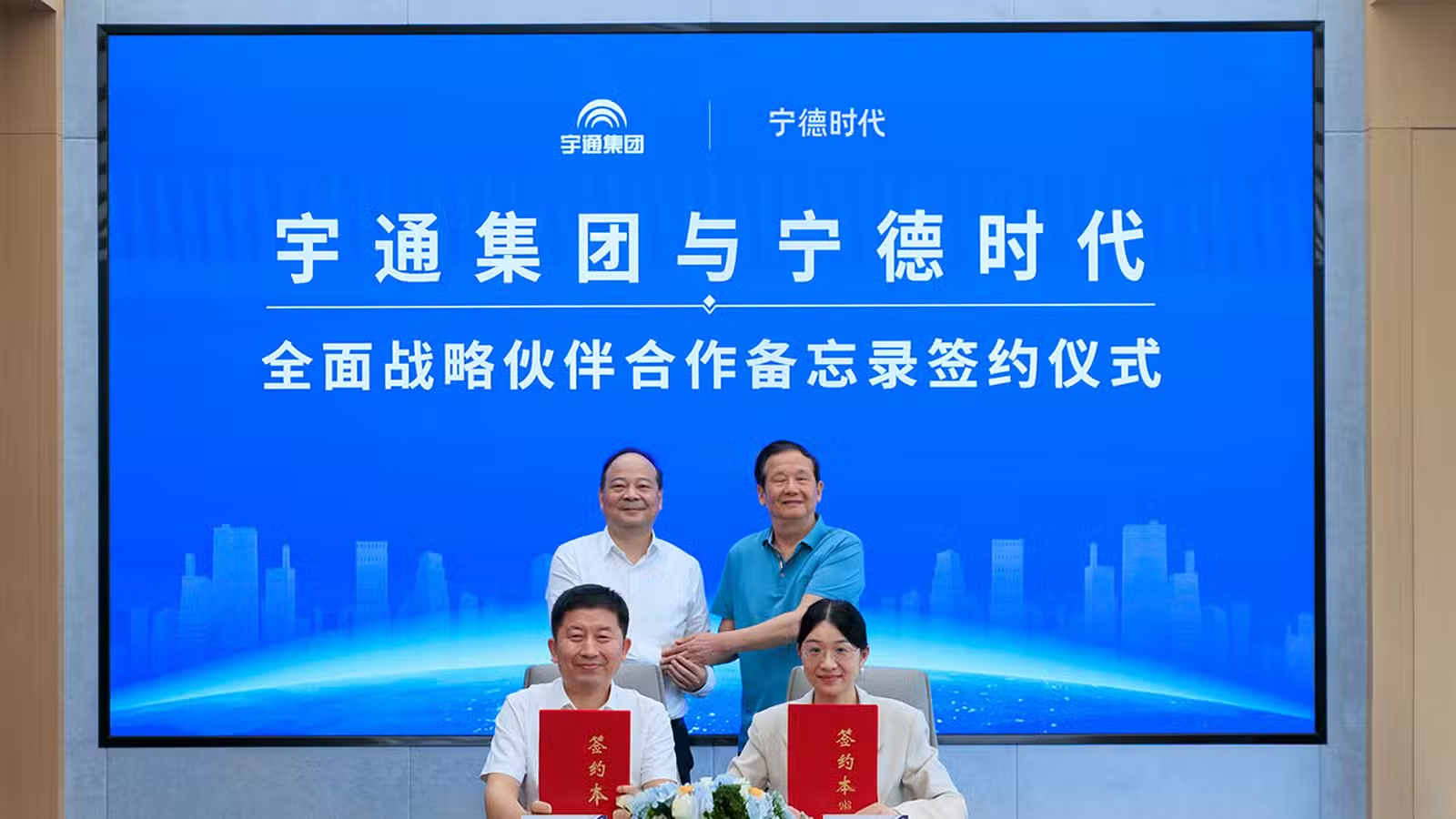
Chinese battery giant CATL (HKEX: 3750) and bus manufacturer Zhengzhou Yutong Bus (SHA: 600066) have reached a new agreement, marking a further deepening of their 15-year partnership.
The two companies signed a memorandum of understanding for comprehensive strategic cooperation on May 12, which will focus on jointly expanding in overseas markets, according to a press release Wednesday.
The partners plan to establish a model for exporting Chinese automotive technology across more than 60 overseas countries and regions, CATL said.
The companies will drive the electrification of commercial vehicles across the mobility, logistics, and operational sectors.
They will also jointly develop a battery-swapping business for heavy-duty trucks, aiming to establish unified swapping standards and operating systems to achieve efficient energy replenishment and asset management for commercial vehicles.
Yutong and CATL have a long-standing relationship, with the bus maker exclusively using CATL batteries for the past 15 years.
In return, CATL has provided Yutong with support including priority supply and optimal pricing, cementing its position as the automaker's sole battery supplier.
In September 2022, CATL and Yutong extended their strategic cooperation agreement by 10 years to collaborate on commercial vehicles and overseas markets.
In March 2024, the two parties jointly launched a milestone long-life battery with a lifespan of 15 years or 1.5 million kilometers.
The new battery can achieve zero degradation over its first 1,000 charge-discharge cycles and is primarily targeted at segments such as buses and heavy-duty trucks, Yutong said at the time.
CATL is the world's largest EV battery maker, commanding a 40.7% global market share in the first three months of 2026, according to data from South Korean market research firm SNE Research.
In China, CATL's power battery installations reached 29.06 GWh in April, maintaining its top position with a 46.64% market share, according to the China Automotive Battery Innovation Alliance (CABIA).