- Model Y retail sales in China reached 22,990 vehicles in April, up 15.04% year-on-year.
- Model Y also dominated Tesla China's overseas shipments, exporting 29,153 vehicles in April.
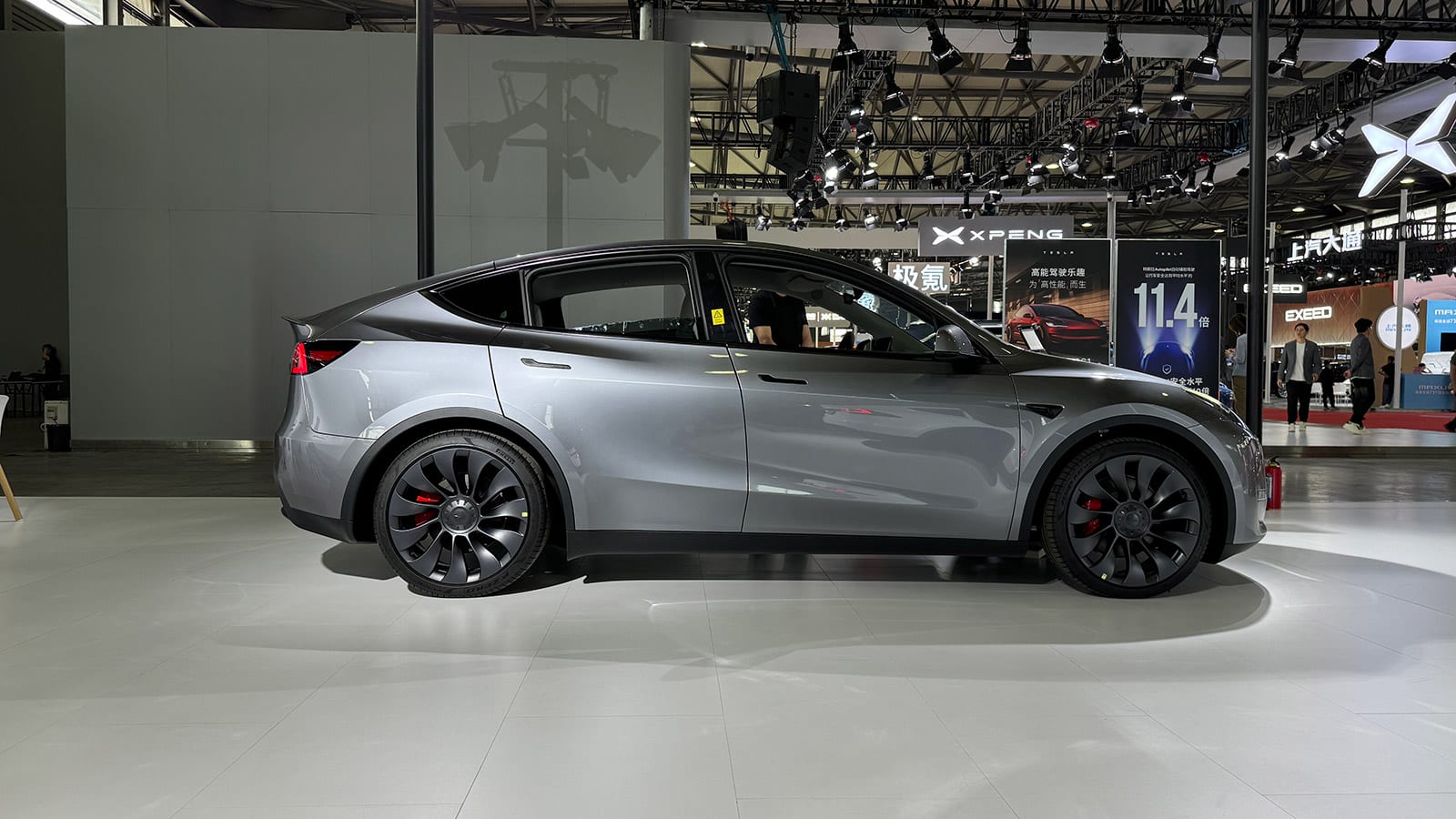
Model Y continued to dominate Tesla's (NASDAQ: TSLA) retail sales in China last month, contributing nearly 90%.
The Tesla SUV (sport utility vehicle) saw retail sales of 22,990 vehicles in April, up 15.04% year-on-year, but down 42.28% from March, according to data from the China Passenger Car Association (CPCA) compiled by CnEVPost.
Model Y accounted for 88.57% of Tesla's 25,956 retail sales in China in April.
In the first four months of the year, the model's retail sales in China stood at 104,948 vehicles, up 3.02% year-on-year, accounting for 75.64% of Tesla's total sales in the country during the same period.
In contrast, the Model 3 sedan's retail sales in China were just 2,966 vehicles in April, representing a 66.09% year-on-year plunge and an 81.78% sequential drop.
The sedan contributed only 11.43% of Tesla's domestic retail sales in April. From January to April, 33,806 Model 3s were delivered, making up 24.36% of total retail sales during the period.
Tesla's overall retail sales in China fell 9.66% year-on-year in April, dragging its share in China's new energy vehicle (NEV) market down to 3.06%, the lowest since November 2025.
The retail sales decline was primarily because Tesla allocated more Giga Shanghai capacity to exports.
Tesla China exported 53,522 vehicles in April, surging 80.04% year-on-year and jumping 81.04% from March.
Model Y also dominated overseas shipments. The model exported 29,153 vehicles in April, a 108.59% year-on-year surge, accounting for 54.47% of Tesla China's total exports.
The Model 3 sedan exported 24,369 vehicles in April, up 54.70% year-on-year. This accounted for 45.53% of Tesla China's total exports for the month.
Combining domestic retail and overseas exports, Tesla China's wholesale sales reached 79,478 vehicles in April. This represents a 35.96% increase from a year earlier.
Tesla adjusted its car purchasing financial policies in China in May. The company canceled its seven-year low-interest loans in response to a trend of banks tightening auto credit and currently only retains zero-interest financing plans for up to five years.