- CPCA's Cui advocates introducing standards for budget EVs in China to stimulate demand in underdeveloped regions and address sluggish auto sales.
- The proposal draws on established frameworks from the EU and Japan, aiming to promote domestic auto consumption.
The head of a major Chinese auto industry association is calling for unified standards for budget electric vehicle (EV) to revive a sluggish domestic car market and meet the needs of the country's growing aging population.
The shrinking of the low-end vehicle segment has become a key bottleneck restricting the recovery of China's auto industry, as existing EV products are either too expensive or lack compliance, said Cui Dongshu, secretary-general of the China Passenger Car Association (CPCA).
This reality makes it difficult for current models to meet the daily commuting needs of the general public, especially the elderly and less-developed markets such as counties and townships. Therefore, establishing standards for affordable EVs is particularly urgent, he said.
The proposal comes as China's passenger car sales face persistent headwinds. Preliminary CPCA estimates show China's retail sales of new energy vehicles (NEVs) are expected to reach around 860,000 units in April, representing a slight increase from about 850,000 units the previous month, but lower than the 905,000 units recorded a year earlier.
Although the market penetration rate of NEVs is expected to top a record 60% for the first time in April, overall auto consumption remains weak.
China should draw on the mature experience of overseas markets, Cui said in a WeChat post today. He specifically cited the E-Car standards recently advanced by the European Union and the K-Car ecosystem developed over many years in Japan.
These two overseas examples provide a blueprint for China to formulate standards by balancing low-carbon features, basic safety configurations, and manufacturing costs, Cui noted.
The CPCA official argued that China should clarify core metrics for budget EVs, such as body size, motor power, and driving range.
In addition, he proposed introducing a dedicated C7 driver's license. This exclusive license would simplify the testing process, thereby lowering the driving threshold for the elderly and novice drivers.
This would help promote the systematic popularization of budget EVs and activate purchases from potential consumer groups.
To support this initiative, Cui suggested providing targeted car purchase subsidies and tax exemptions for county-level and elderly consumers, as well as accelerating the construction of charging infrastructure in key areas.
Standardized budget EVs will also help Chinese automakers overcome overseas technical barriers and accelerate the expansion of local brands into emerging markets such as Southeast Asia and India, he added.
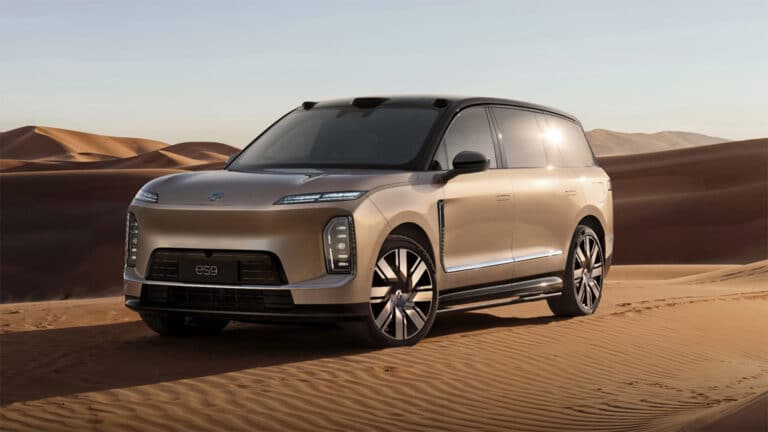
With the rapid development of China's EV market in recent years, several local automakers are achieving initial success in the high-end segment.
Meanwhile, in less-developed areas and among the elderly population, people rely on light EVs priced far below premium models for their mobility.
These vehicles, known as "laotoule" (literally "old man's joy"), typically lack sufficient compliance procedures in manufacturing and sales, and raise safety concerns.
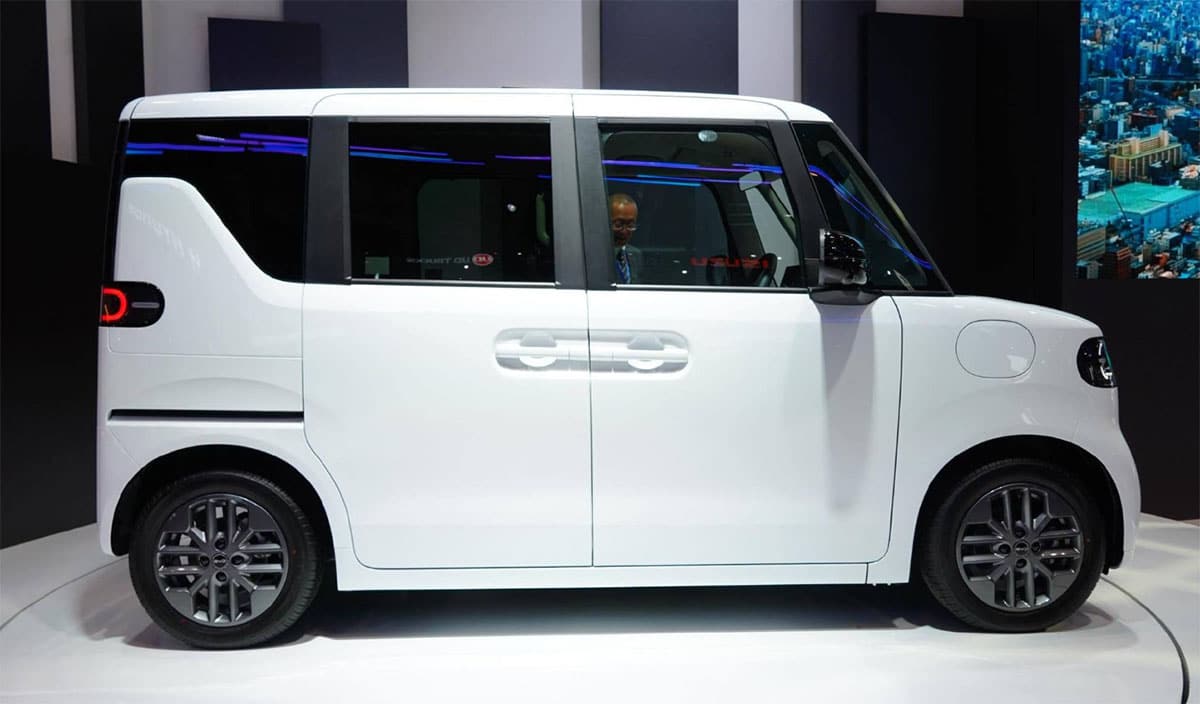
In Japan, the popularity of so-called K-Cars has provided an alternative for low-cost mobility.
Japan's K-Car market is highly mature, with a market penetration rate of nearly 40%, making it the preferred commuting tool for the elderly, ordinary families, and single individuals, Cui noted in his article.
After decades of development, Japan's K-Car market has fostered distinctive local brands including Suzuki and Subaru, Cui said.
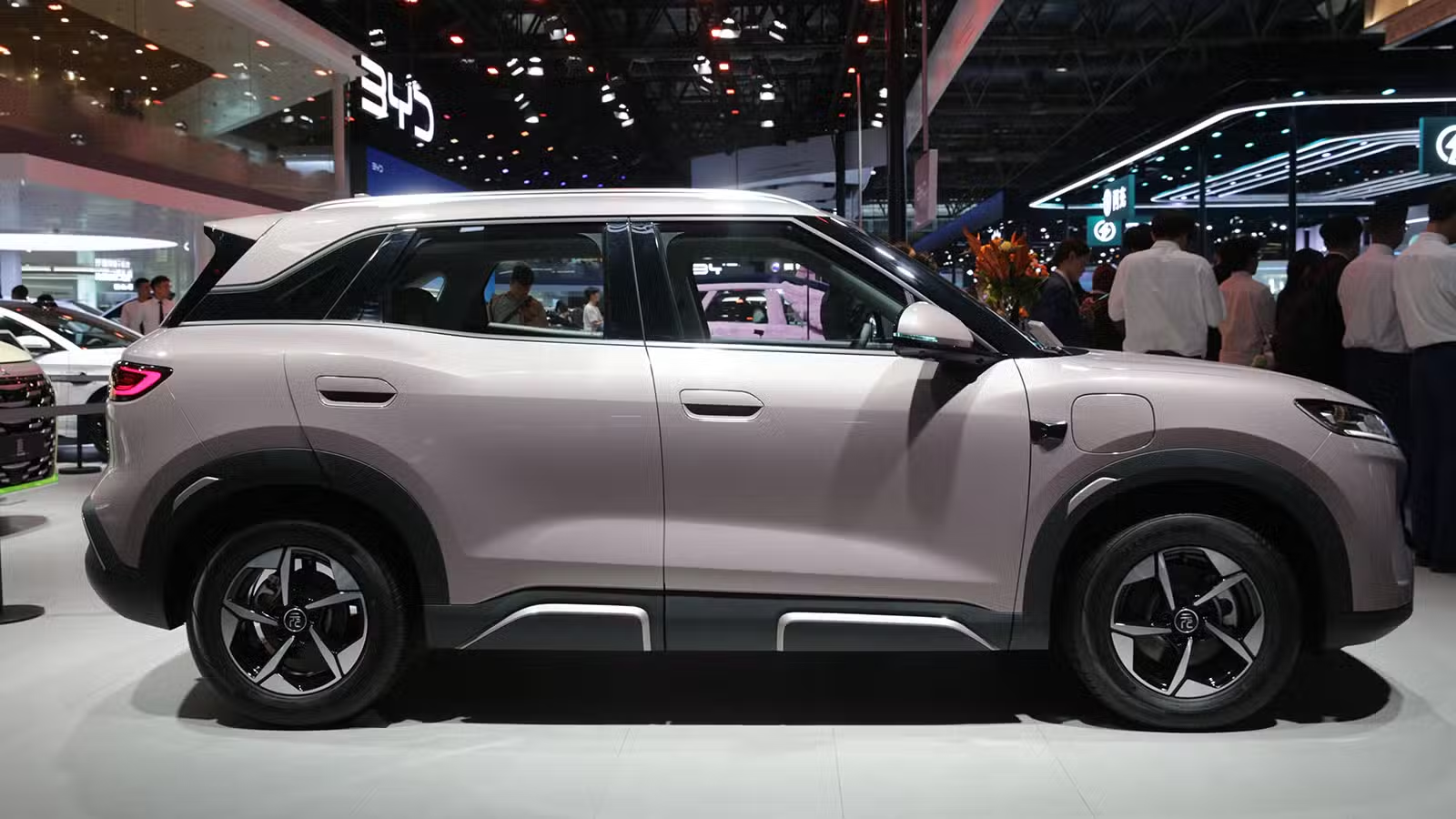
BYD debuted an electric mini K-Car named Racco in Japan in October 2025, which is scheduled to hit the market in the country in the summer of 2026.
This is the second new model BYD has built specifically for overseas markets, following the launch of the Shark pickup in Mexico in May 2024, and it is unlikely to be available in China in the short term.