- A traffic accident caused by misinterpreted voice commands has exposed potential safety hazards in EV models pursuing minimalist design and smart features.
- Real-world tests conducted by owners of multiple EV brands reveal concerning results.
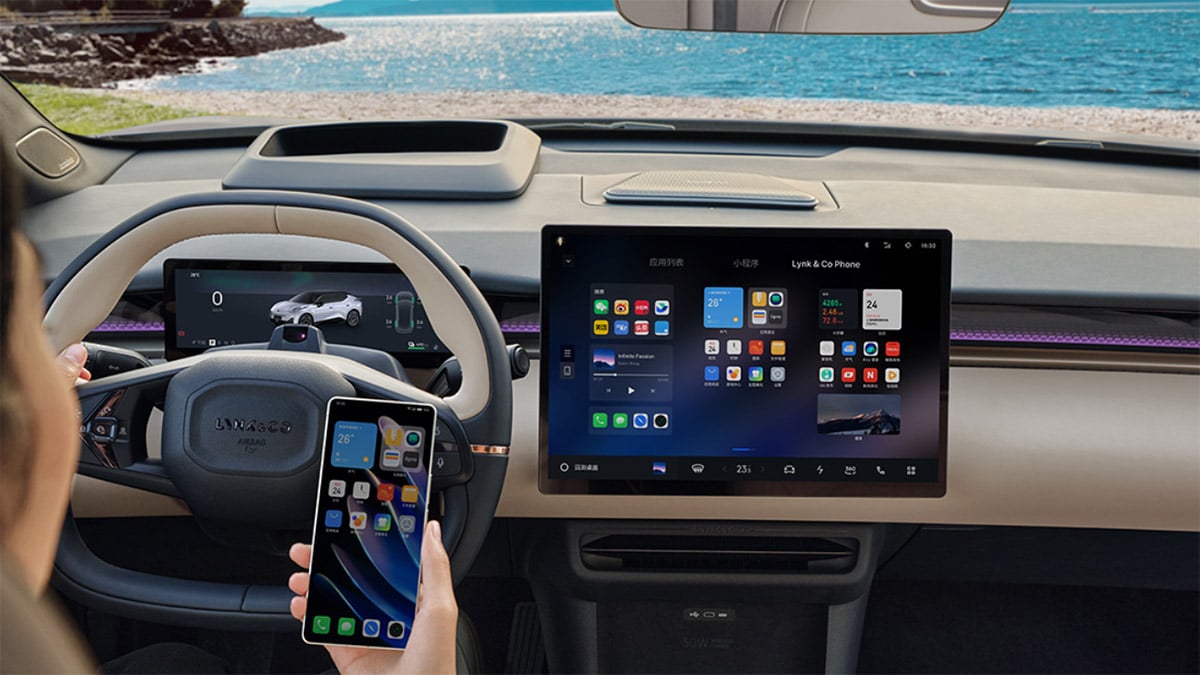
Voice assistants in smart cars are sparking unexpected safety concerns.
In China, a traffic accident caused by a misinterpreted voice command has exposed potential driving safety hazards in electric vehicle (EV) models striving for minimalist design and smart features.
On Thursday, a dashcam video caused a stir on social media. A Lynk & Co Z20 owner attempted to dim interior lights by issuing the voice command "turn off all reading lights" during nighttime driving. Instead, the car system mistakenly deactivated the vehicle's headlights.
After multiple failed attempts to restore lighting via voice commands, the car collided with a median barrier while operating in darkness.
Mu Jun, deputy general manager of Lynk & Co Sales, responded on Weibo Thursday, stating the company had urgently optimized voice control and pushed an update. Moving forward, external headlights can only be manually turned off while driving.
Mu publicly apologized for the inconvenience caused.
The incident quickly drew widespread attention in the automotive industry, revealing it's not an isolated issue confined to a single brand.
Owners of other brands like Zeekr and Deepal conducted tests with alarming results: while systems typically block direct "turn off headlights" commands, using broader, ambiguous instructions like "turn off all lights" can bypass safety restrictions and cut external lighting mid-drive.
This vulnerability highlights a core contradiction in modern EV design. In pursuit of technological sophistication, automakers are aggressively eliminating physical buttons, centralizing critical controls like lights and wipers to touchscreens or AI voice systems.
However, when software bugs or semantic recognition errors occur, drivers often find themselves helpless in emergencies.
Take the Lynk & Co Z20 as an example: without a dedicated physical headlight switch, owners face significant safety risks if the car system crashes or voice commands fail, as noted in a Friday report by Chinese media outlet Yicai.
Facing mounting public scrutiny, automakers are scrambling to contain the fallout. Both Zeekr and Deepal said they have swiftly addressed the vulnerability through cloud-based deployments or OTA updates, ensuring exterior lights cannot be deactivated via voice commands while the vehicle is in motion.
Zeekr further disclosed that it has initiated a systematic review of driving safety-related functions across its entire model lineup to eliminate potential hazards.