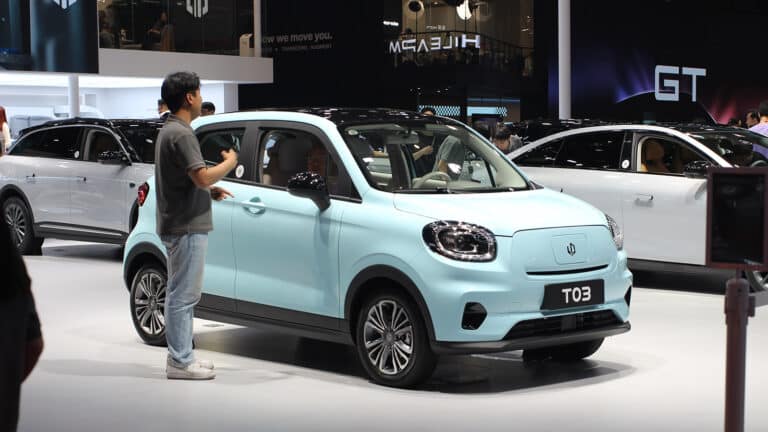
- Canada is weighing how to allocate a low-tariff quota for 49,000 China-made EVs to prevent a single automaker from dominating the market.
- The 49,000-vehicle cap represents less than 3% of Canada's overall auto market.
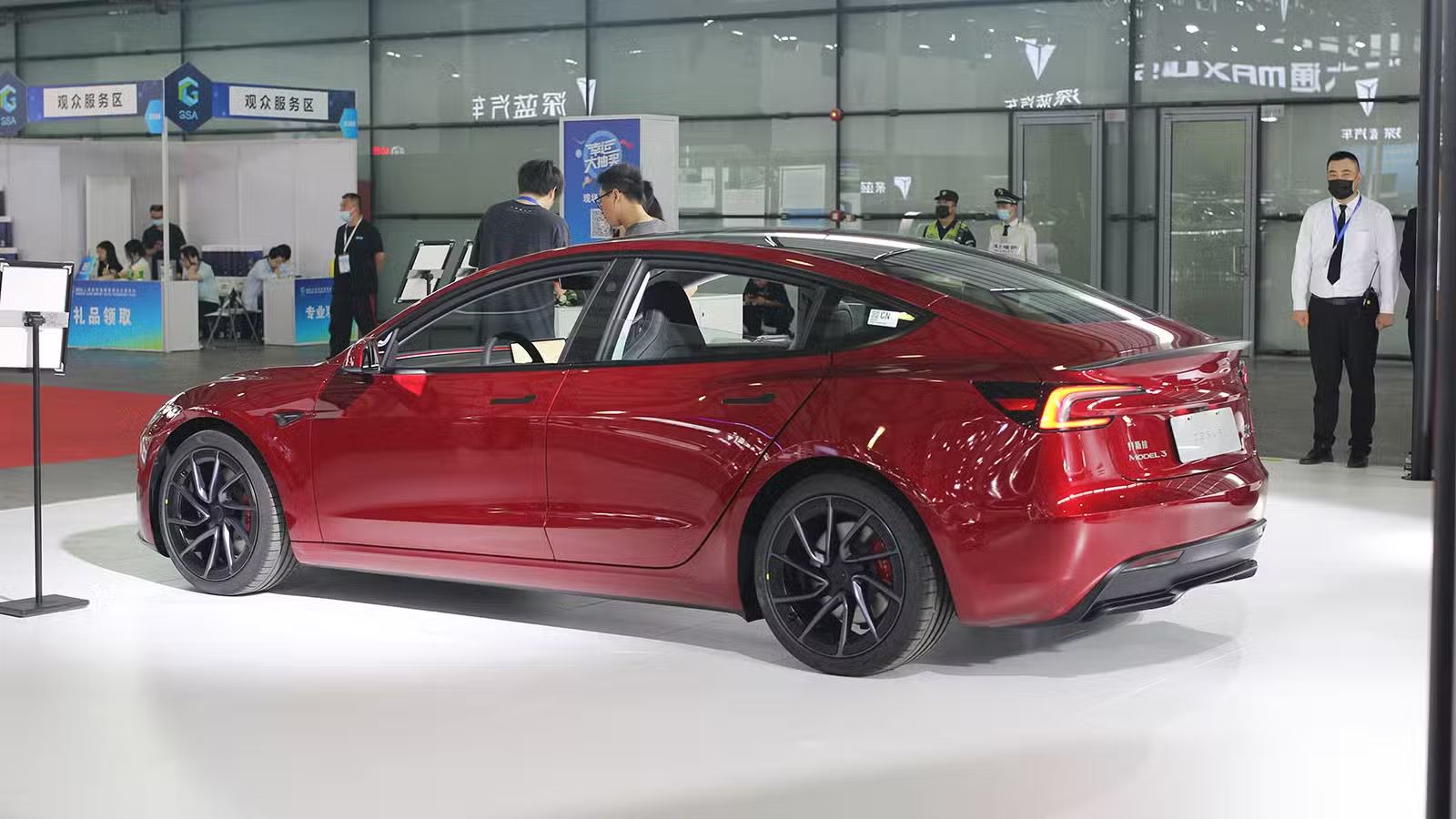
Tesla (NASDAQ: TSLA) and BYD (HKEX: 1211) may face specific import quota restrictions on their vehicles entering Canada, as the Canadian government is finalizing new trade rules regarding China-made electric vehicles (EVs).
Senior government officials are currently debating how to properly allocate the annual low-tariff quota of 49,000 China-made EVs, according to a Bloomberg report on Thursday.
In January, during Prime Minister Mark Carney's visit to China, Canada reached an agreement to allow up to 49,000 China-made EVs into the country annually.
Vehicles eligible for the quota will enjoy a 6.1% most-favored-nation tariff rate, exempting them from the previous punitive tariff of up to 106.1%.
This landmark policy creates a market opportunity for Chinese automakers such as BYD and Chery to sell cars to Canadian consumers for the first time.
Meanwhile, the tariff pact also paves the way for global automakers like Tesla and Polestar to export vehicles manufactured in their Chinese factories to Canada.
However, the Canadian government is still carefully weighing whether to set specific import volume caps for individual automakers to regulate overall market order, according to Bloomberg.
The government hopes to establish specific internal allocations for different companies within the 49,000-vehicle limit to ensure that no single player dominates the market, the report said.
The 49,000-vehicle limit accounts for a relatively small slice of Canada's overall auto market — less than 3% of the total new passenger cars and trucks sold last year.
The low-tariff quota system officially came into effect this March, with an initial batch of 24,500 import permits being issued on a first-come, first-served basis until the end of August.
Notably, as of this week, none of the quota has been used yet, according to Bloomberg.
Tesla recently began promoting a Model 3 sedan in Canada priced at just C$42,132 ($30,900) including delivery fees, a steep drop from its previous list price.
The car is believed to be sourced from Tesla's Shanghai factory, though Tesla has not yet commented on the matter, the report noted.
At the same time, Chinese auto brands like BYD are actively exploring ways to utilize this tariff-reduction window to further expand their business footprint in the North American market.
The quota system could eventually evolve to offer more favorable access to automakers that establish substantial business operations in Canada, Bloomberg reported, citing Canadian government officials familiar with the internal discussions.
The Canadian government hopes this will drive Chinese companies to form joint ventures with trusted Canadian partners, ultimately expanding operations into vehicle assembly.