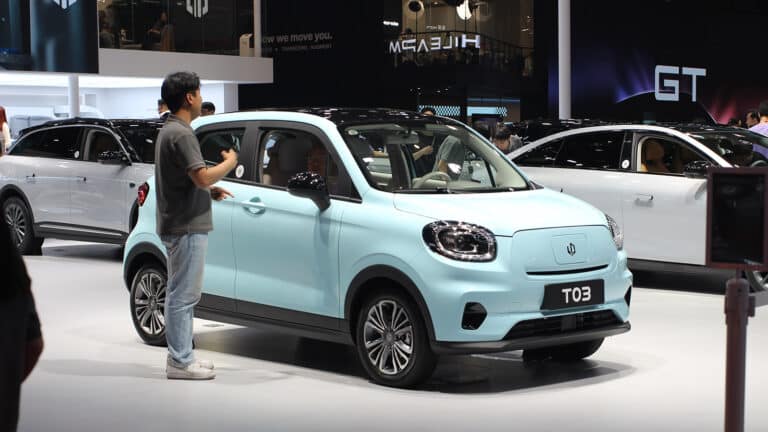
- Canada's international trade minister engaged with BYD, Xpeng and GAC in Guangzhou to discuss EV market-entry pathways.
- The visit builds on a bilateral agreement that allows up to 49,000 Chinese EVs annually to enter Canada at reduced tariffs.
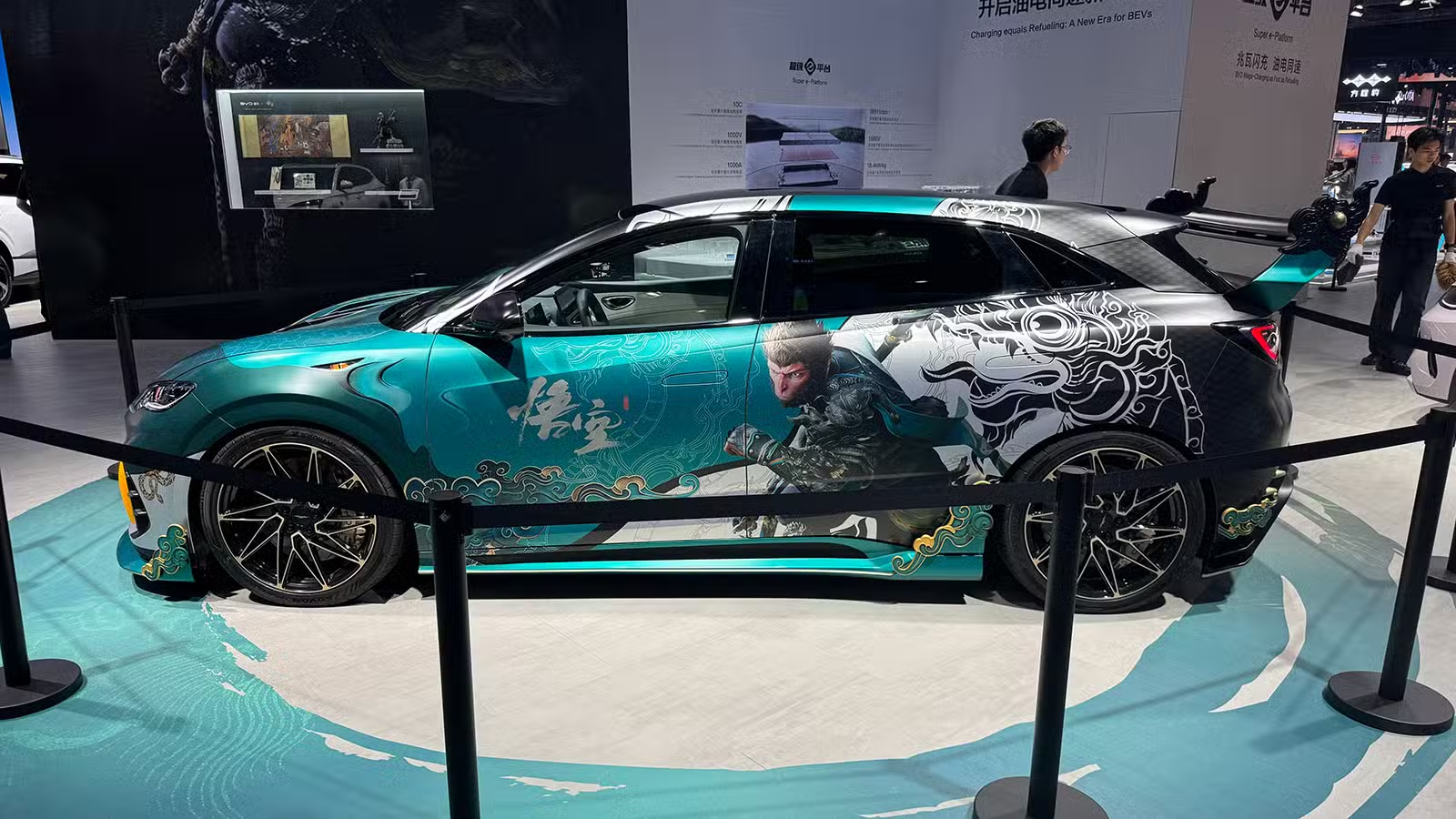
Canadian International Trade Minister Maninder Sidhu engaged with BYD, Xpeng and GAC in Guangzhou during an official visit to South China.
He held in-depth discussions with these leading Chinese EV makers regarding market-entry pathways under Canada's newly implemented EV import quota system, according to a statement released Thursday on the Canadian government's website.
Sidhu also highlighted to the automakers Canada's regulatory supply chain requirements, as well as the prospects for long-term investment and collaboration in the country.
The trip marks the first official visit to South China by a Canadian minister since 2018, underscoring a thaw in bilateral trade relations.
It also builds on Canadian Prime Minister Mark Carney's historic visit to Beijing earlier this year and the subsequent bilateral trade agreement.
The two nations reached a landmark mutual tariff reduction deal in January, which is widely dubbed as the "EVs-for-canola" agreement.
Under the bilateral pact, the Canadian government agreed to exempt up to 49,000 Chinese-made EVs annually from a 100% tariff they previously faced.
These quota-eligible Chinese EVs will only be subject to a 6.1% most-favored-nation tariff rate upon entering the Canadian market.
In exchange, the Chinese government committed to slashing its import tariff on Canadian canola to 15% from a comprehensive level of about 85%.
Top Chinese automakers such as BYD are actively exploring this tariff reduction window to further expand their business footprint in the North American market.
BYD executive vice president Stella Li said in an interview with Bloomberg last month that the company is studying the Canadian market for a potential manufacturing facility.
She also said that BYD prefers to fully own and independently operate such a plant, as she does not believe the traditional joint venture model would work.
However, Canadian Industry Minister Melanie Joly has previously insisted that any new auto sector investments must utilize local Canadian labor and parts.
This stance presents a potential conflict with BYD's business philosophy of establishing wholly owned enterprises rather than forming joint ventures with local Canadian companies.
Furthermore, US government officials have repeatedly warned Canada of severe tariff retaliation risks if it acts as a backdoor for Chinese EVs to enter the US.
On another front, European auto giant Stellantis is exploring an early-stage business plan with its Chinese partner Leapmotor.
They are considering manufacturing Leapmotor-branded EVs at a Stellantis assembly plant in Brampton, Ontario, which has been idled for years.
If successfully implemented, this would mark the first major Chinese investment in Canada's auto industry since the country reached the deal to lower tariffs on Chinese-made EVs.
Prior to arriving in Guangzhou, Sidhu also led a record delegation of nearly 40 Canadian companies to participate in the China International Consumer Products Expo in Haikou, Hainan.
As the Guest Country of Honor at this year's expo, Canada witnessed the signing of 24 commercial agreements and memorandums of understanding between Canadian and Chinese companies at the event.
Sidhu also held talks with executives from Alibaba and JD.com, which operate the world's largest e-commerce platforms, to promote the export of Canadian goods to China.
China is currently Canada's second-largest single-country merchandise trading partner, with two-way merchandise trade totaling $125.1 billion in 2025, the Canadian government statement noted.
The Canadian government is now focused on expanding bilateral commercial cooperation with the world's second-largest economy in energy, agri-food, and broader merchandise trade.