- Li Auto unveiled a $1 billion share repurchase program, marking its first buyback since its US listing in July 2020.
- The move comes during a challenging period as Li Auto suffered a 19% drop in vehicle deliveries in 2025.
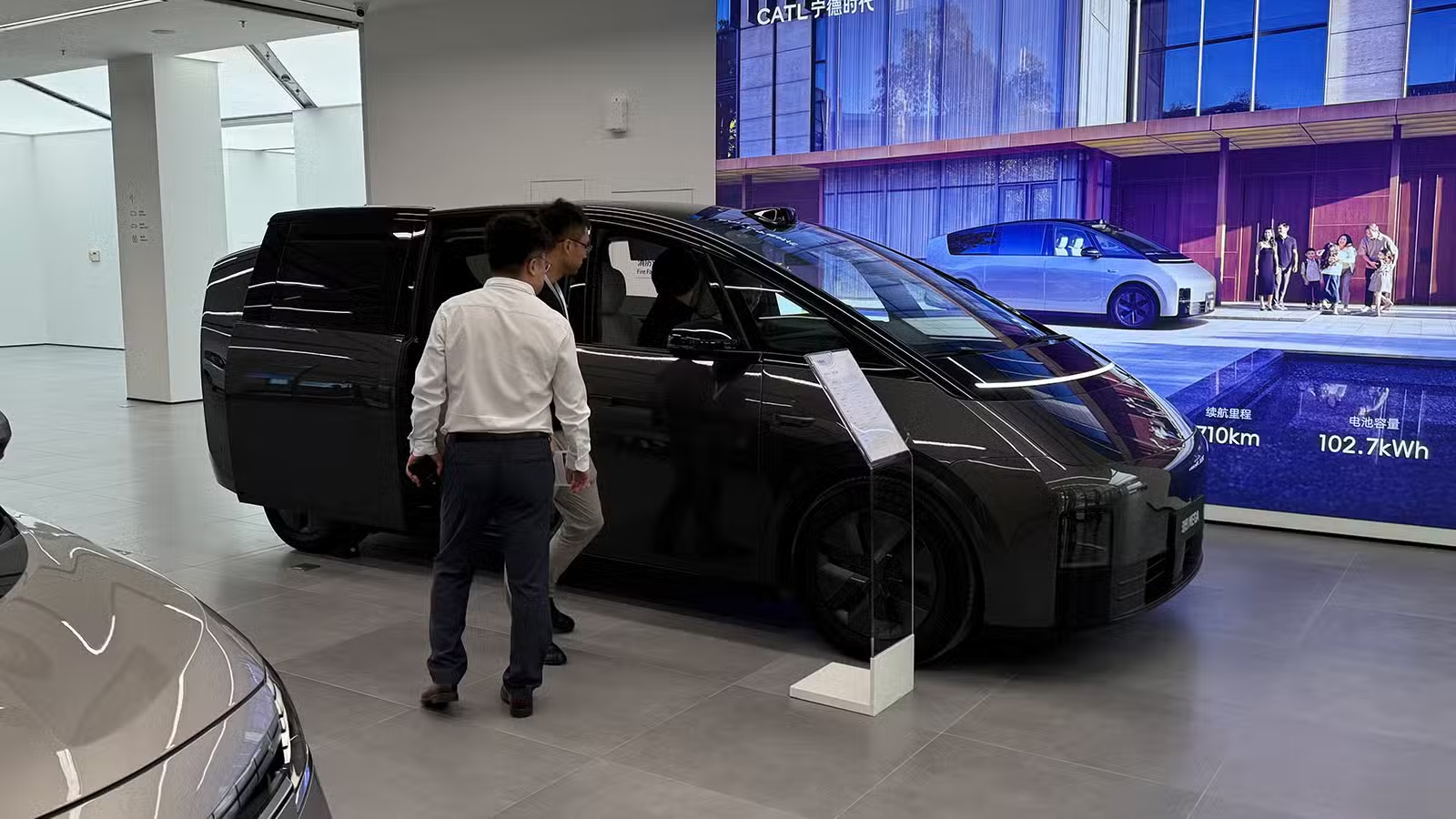
Li Auto has launched its first-ever share buyback program following a prolonged stock price decline, in an attempt to salvage its depressed valuation.
The embattled Chinese electric vehicle (EV) maker announced Tuesday that its board has authorized a plan to buy back up to $1 billion of its shares.
The proposed capital market intervention marks the company's first share repurchase since its US public listing in July 2020.
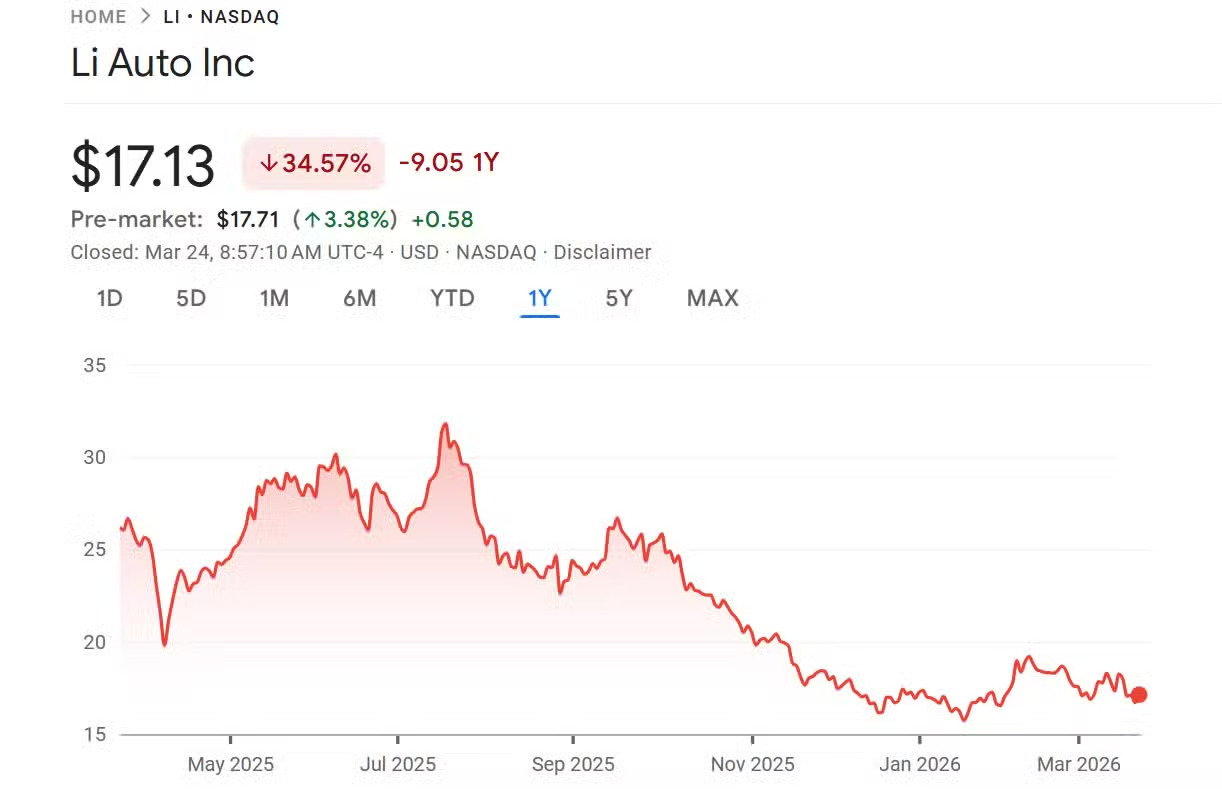
Prior to this, the company's US-traded American Depositary Receipts (ADRs) dropped 34.57% over the past year and have been on a downward trajectory since July 2025.
The repurchase program will be permitted from the approval date through March 31, 2027, and will be funded by its existing cash balance, according to a statement.
As of December 31, 2025, Li Auto held cash reserves of 101.2 billion yuan ($14.7 billion), according to its earnings report released earlier this month.
The buyback program reflects management's strong confidence in the company's strategic roadmap and future value creation, Li Auto founder, chairman, and CEO Xiang Li said in the statement.
The potential intervention comes during a challenging period, as the company's US stock price tumbled to a three-year low in January.
Over the past two months, the EV maker's shares have continued to languish at low levels, closing at $17.13 apiece on Monday.
The sluggish stock performance mirrors a slump in vehicle deliveries, with Li Auto experiencing a 19% year-on-year decline in 2025.
The company delivered a total of 406,300 new vehicles last year, missing its previously set sales targets and facing immense competitive pressure.
This sales slowdown is accompanied by widening internal management turmoil, as multiple key executives have departed the company since the start of 2026.
The latest February delivery data presented a mixed picture to investors, with 26,421 vehicles handed over during the month, a marginal 0.60% increase from a year earlier.
Despite the slight annual growth, the figure represents a 4.51% drop compared to January, underscoring the persistent challenges in sales growth.
Across the broader Chinese EV sector, industry peers have also utilized such financial interventions in the past to prop up their depressed market valuations.
Over the past two years, the CEOs of Leapmotor and Xpeng have increased their stakes in their respective companies on the open market.
($1 = 6.8934 yuan)