- Rising prices of memory chips and raw materials could lead to a cost increase of nearly 10,000 yuan ($1,460) for premium EV models, William Li said.
- Despite the pressure on costs, Nio maintains its full-year non-GAAP operating profit target for 2026.
Nio Inc management sees challenges brought by rising memory and metal prices in 2026. However, the company has no plans to adjust product prices amid fierce competition.
This year, each premium electric vehicle (EV) could see an increase in production costs of nearly 10,000 yuan ($1,460), driven by soaring prices of memory chips and raw materials, said William Li, founder, chairman, and CEO of Nio.
Nio currently has no plans to adjust the retail prices of its vehicles. The existing pricing system across the company's three brands can absorb the pressure brought by inflation, Li told media, including CnEVPost, during a small-scall communication in Shanghai on Wednesday.
The company has already factored these price increase elements into its expected annual operating targets. It does not need to take special actions to pass the costs onto consumers this year, Li said.
The rising prices of memory and other raw materials is affecting the costs of premium EV models. This impact is estimated at 3,000 to 5,000 yuan for each category, according to Li.
Although the prices of metal raw materials such as copper and aluminum are rising, the current pace of price hikes remains within an acceptable range, Li said. He added that Nio is working with its upstream supply chain to implement a more agile response mechanism.
To cope with long-term cost pressures, lightweighting is viewed as a very important direction for technological innovation at Nio. The company has invested heavily in the application of integrated die-casting and aluminum alloy materials.
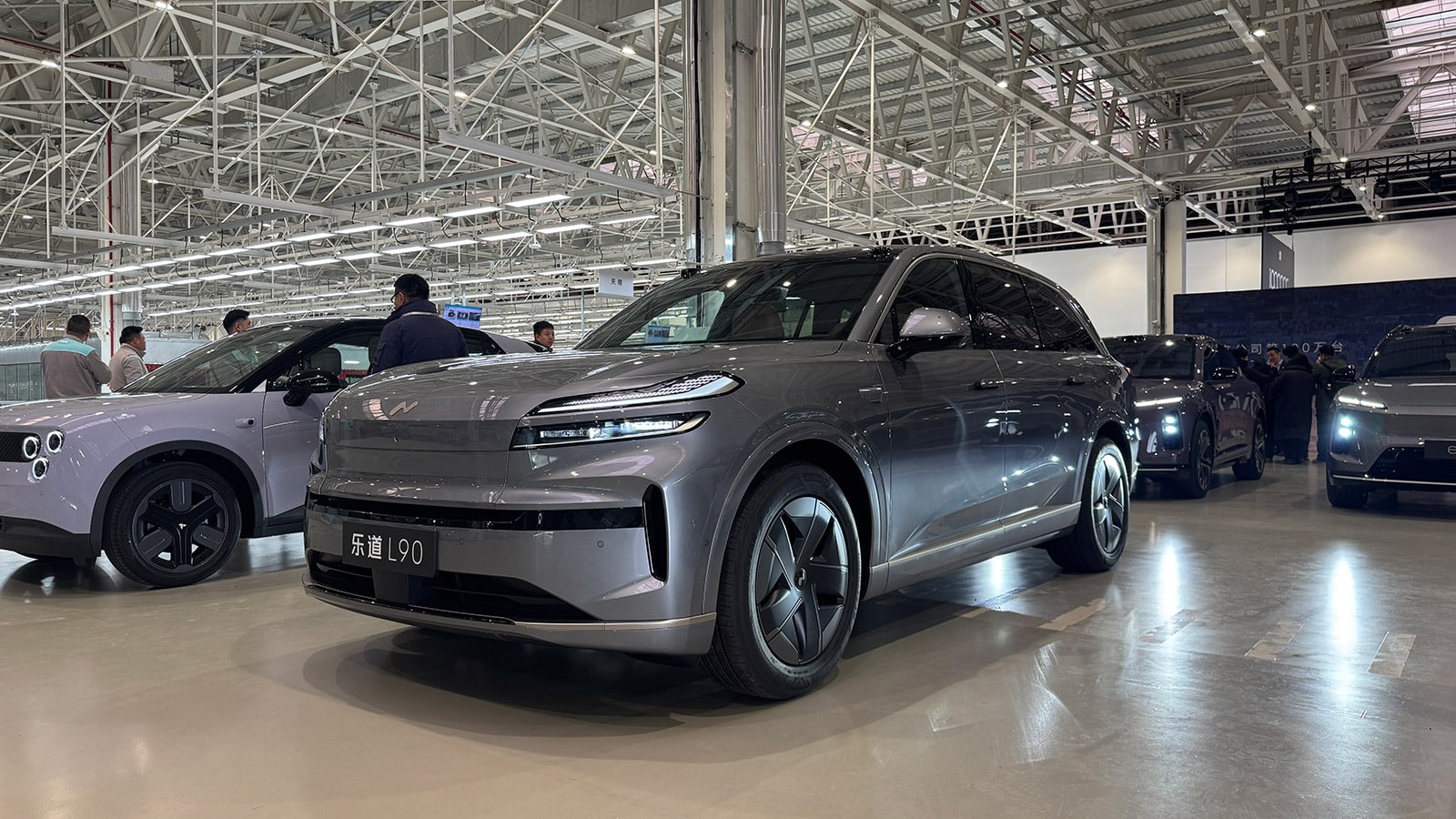
The first-generation ES8 SUV (sport utility vehicle) was China's first mass-produced model to feature an all-aluminum body and a carbon fiber floorboard. The company's comprehensive R&D capabilities were demonstrated in the launch of the large Onvo L90 model last year, Li said.
Nio will continue to make sustained investments in vehicle lightweighting, Li said. This is designed to improve vehicle efficiency and serve as a long-term hedge against raw material price fluctuations.
Driven by surging demand from data centers, the world is facing a new chip shortage. This demand is fueled by the rapid rise of AI (artificial intelligence), forcing automakers to compete with AI players.
In addition to chips, the price of battery-grade lithium carbonate in China has also seen a significant increase over the past few months.
This commodity inflation coincides with the withdrawal of stimulus policies and the start of a 5% purchase tax in early 2026, making it particularly challenging for the industry to digest the shock, UBS analyst Paul Gong's team wrote in a research note in late January.
If all cost increases are fully borne by automakers, it could completely erode their profits which are are already very thin due to fierce competition, UBS noted.
Despite the pressure on costs, Nio maintains its full-year sales growth target of 40% to 50 percent. The company also aims to achieve its full-year non-GAAP operating profit target for 2026.
($1 = 6.8663 yuan)