Update on March 6: Added clarification from Mercedes-Benz.
- Mercedes-Benz reportedly plans to develop a new global compact EV platform based on Geely's electronic and electrical architecture.
- Mercedes-Benz later denied the report, calling the described cooperation fabricated and untrue.
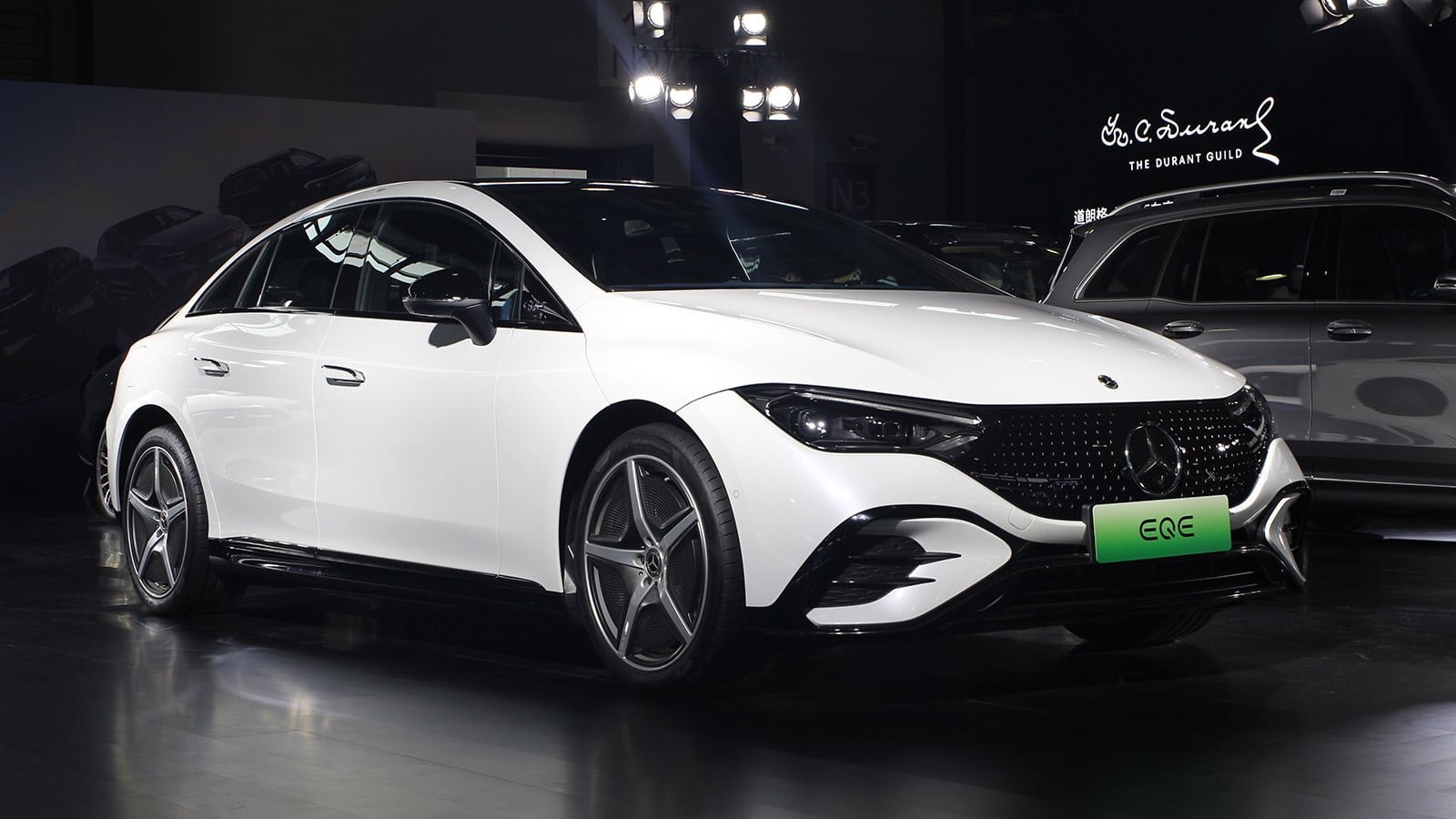
Mercedes-Benz is shifting the development focus of its new electric vehicle (EV) platform to China and plans to adopt the technical architecture of its Chinese partner Geely Auto (HKG: 0175, OTCMKTS: GELYF), according to a Chinese media report.
Mercedes-Benz will develop a new entry-level EV platform codenamed Phoenix based on Geely's GEEA (Geely Electronic & Electrical Architecture) 4.0 platform, 36Kr reported on Thursday citing sources.
Mercedes-Benz China R&D Center will become the global headquarters for compact vehicle development, independently overseeing the design and development of new compact models, with the Phoenix platform marking the first project for Mercedes-Benz China under this reorganization, the report said.
This marks the first time the 130-year-old German luxury automaker has granted independent development rights for a new vehicle platform to an R&D team outside its German headquarters, the report noted.
Mercedes-Benz subsequently said in a statement sent to CnEVPost on Friday that "the described cooperation was fabricated and untrue."
According to 36Kr's report, the platform is expected to enter mass production by 2030, primarily for manufacturing Mercedes-Benz's globally sold compact vehicles such as the A-Class, B-Class, and CLA.
The core driver behind this deep technical collaboration is reducing vehicle costs. Mercedes-Benz executives have recently made multiple visits to Geely's R&D center, according to the report.
Internal evaluations and vehicle teardown data both indicate that Geely's vehicle architecture offers significant advantages in cost control — a critical factor for Mercedes-Benz, which needs to improve its profit margins.
This strategic shift by Mercedes-Benz comes as the company faces challenges in the Chinese market, where sales continue to be pressured by competition from domestic premium brands like Nio Inc (NYSE: NIO, HKG: 9866) and Aito.
Last month, 36Kr reported that preliminary supply chain data indicated Mercedes-Benz's projected annual volume for locally produced models in 2026 had fallen below 500,000 units — a figure nearly matching its sales levels in China a decade ago.
Last year, Mercedes-Benz's total sales in China came in at about 550,000 units, marking a significant 19% year-on-year decline. Sales of its all-electric CLA model also remained lackluster during its initial launch phase.
Entrusting the Phoenix platform entirely to its China R&D center — which employs around 2,000 personnel — underscores Mercedes-Benz's intent to fully leverage China's mature EV supply chain.
This move also reflects a broader reshaping of the global automotive landscape. From Volkswagen partnering with Xpeng (NYSE: XPEV, HKG: 9868) to Stellantis investing in Leapmotor (HKG: 9863), foreign brands are accelerating their integration of Chinese technological capabilities.