- SAIC Volkswagen will hold a tech event on March 16 to showcase the core technological capabilities of its new ID.ERA series.
- The first EA211 range extender has officially rolled off the production line, marking the German giant's formal embrace of the EREV path in the Chinese market.
SAIC-Volkswagen announced on Tuesday that it will hold a technology launch event on March 16 to officially unveil new technologies for its ID.ERA series.
Fu Qiang, executive vice president of sales and marketing at the joint venture, confirmed on Weibo that the event will focus on the latest technical achievements and the brand's evolution in smart mobility.
Underpinning this strategic shift, the first EA211 range extender officially rolled off the assembly line on Tuesday.
The engine, developed from the proven 1.5T turbocharged platform, is designed to strike a balance between power-generation efficiency and dynamic response.
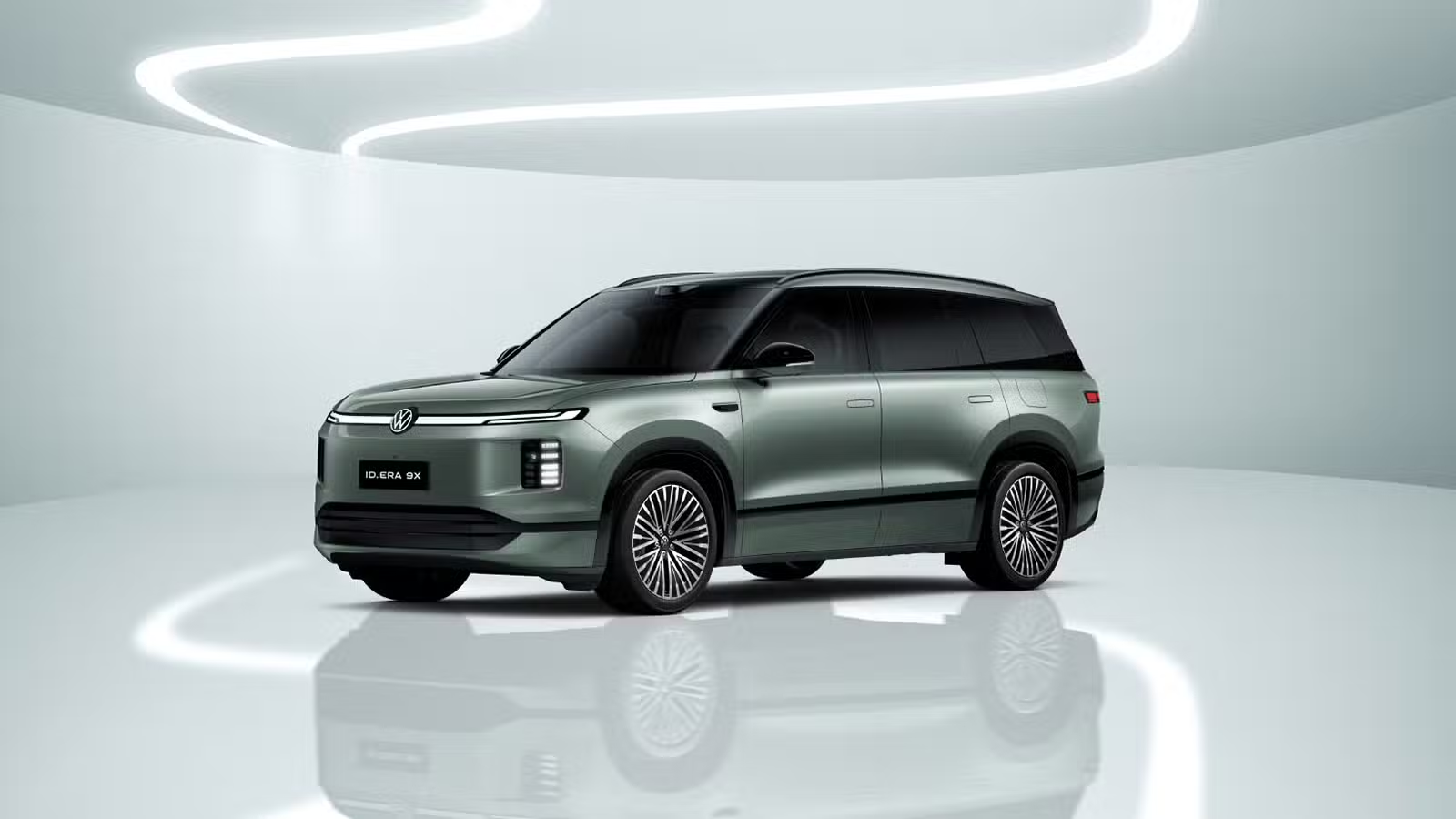
The powertrain will debut in the flagship ID.ERA 9X, with pre-sales for the model scheduled to begin in late March.
As the largest SUV in the Volkswagen portfolio, the ID.ERA 9X measures 5,207 mm in length and features a 3,070 mm wheelbase, according to a previous regulatory filing.
The ID.ERA 9X is equipped with a 65.2-kWh battery pack, delivering a CLTC pure electric range of over 400 kilometers.
This makes it one of the longest-range extended-range electric vehicles (EREV) currently available in the Chinese market.
The combination of high range and a spacious cabin directly targets the territory of local rivals such as Li Auto (NASDAQ: LI).
The move reflects Volkswagen's aggressive efforts to align its product offerings with the specific preferences of Chinese consumers.
The pivot marks a notable reversal for Volkswagen executives, who previously questioned EREV technology as environmentally unfriendly and lacking long-term potential.
However, as EREV sales surge in China, SAIC-Volkswagen is using the tech day to signal its latest offensive in the hybrid segment.
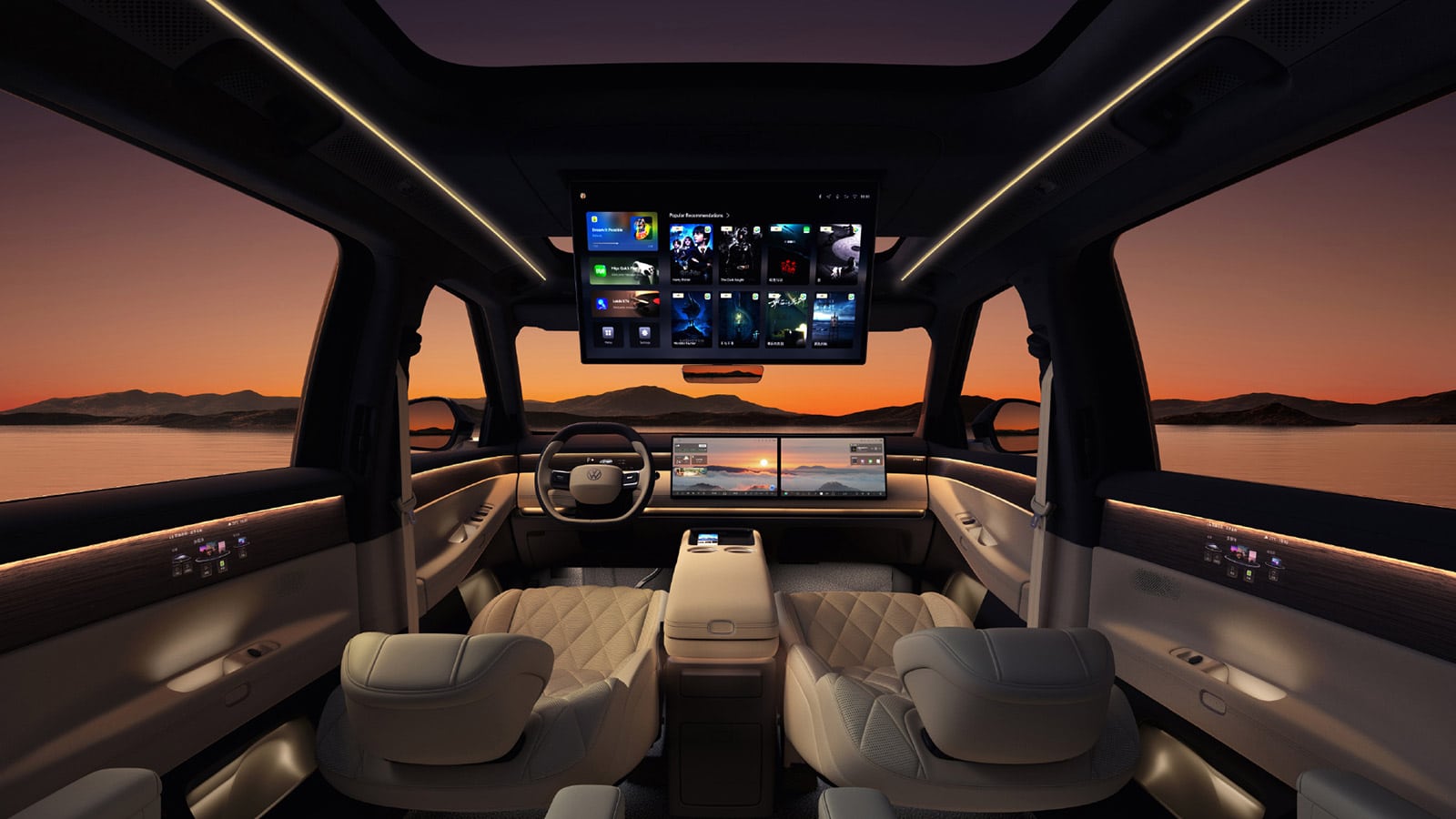
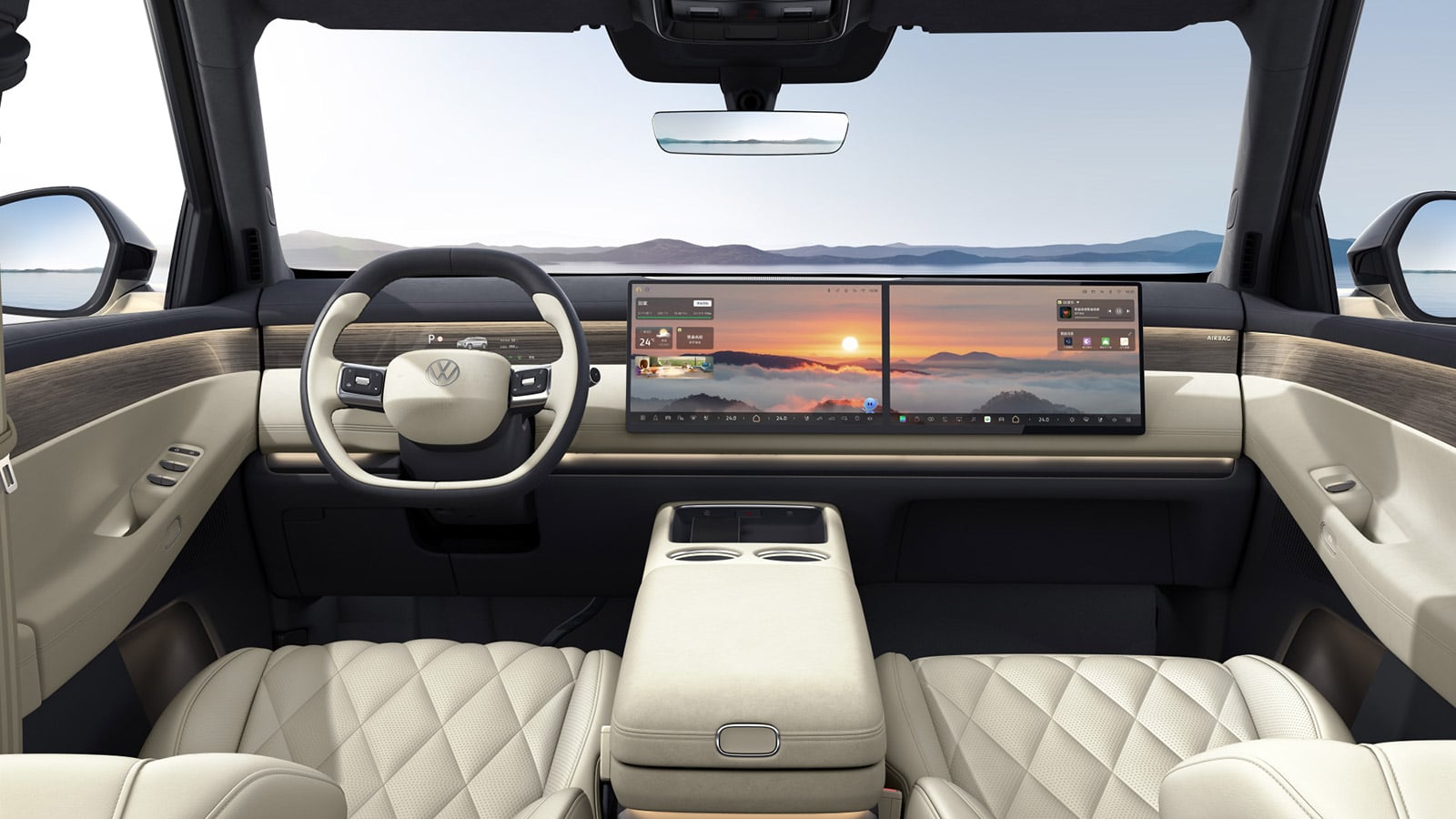
Beyond the powertrain, the ID.ERA 9X will feature LiDAR and large digital screens to meet local demand for autonomous driving and immersive cockpits.
This strategy underscores the "In China, for China" approach, aimed at reclaiming market share through accelerated local research and development.