- Nio is experiencing a shortage of signal processing chips for the audio system in its ES8 SUV. Vehicles produced next month will utilize a short-term alternative solution.
- This marks the second production adjustment for the Nio ES8 since its launch due to chip supply constraints.
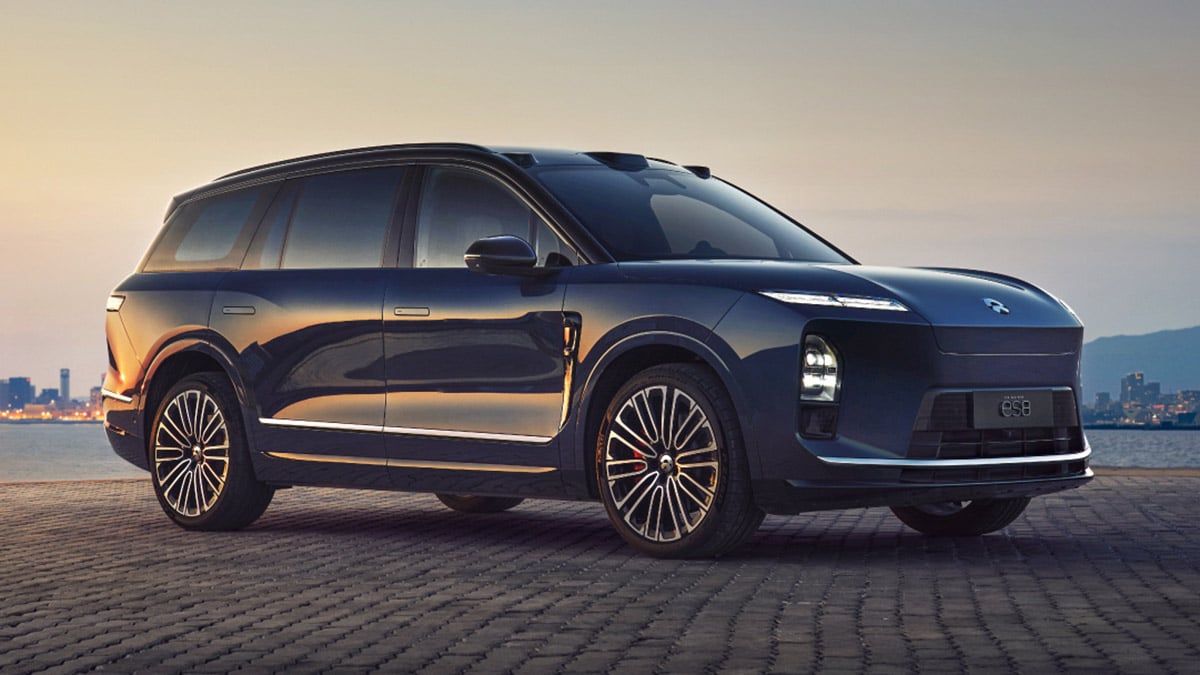
Nio Inc (NYSE: NIO, HKG: 9866) is confronting a new round of supply chain challenges, marking another instance since December last year.
Due to shortages of audio system signal processing chips for the third-generation ES8 SUV (sport utility vehicle), orders for ES8 models entering final assembly production starting March 2, 2026, will incorporate a temporary technical solution.
Under the solution, the core hardware and fundamental functions of the vehicle's audio system remain unchanged. However, a sound field mode called "Hyper-Immersive" will be temporarily unavailable, according to a Wednesday announcement on the Nio App.
To reassure consumers and maintain sales momentum, Nio is offering users who opt for this alternative solution a one-time compensation of 20,000 Nio Points — equivalent to about RMB 2,000 ($290).
Once future chip supply improves, owners may opt to pay 15,000 points or RMB 1,500 for a hardware retrofit to restore this functionality.
Customers insisting on delivery with the original technical solution will face an estimated 4-6 week delay, during which Nio will issue waiting points according to its policy.
Users who received deliveries by February 2026 remain unaffected by this adjustment.
The delivery wait time for the third-generation ES8 in China decreased from 8-9 weeks to 6-7 weeks on Tuesday, according to CnEVPost's daily monitoring.
The SUV was officially launched at Nio Day 2025 on September 20, 2025, with deliveries commencing the following day on September 21. At launch, the third-generation ES8 faced delivery wait times of 24-26 weeks.
This marks the second production adjustment due to chip supply disruptions since the Nio ES8's launch.
In late December last year, Nio implemented a temporary solution for the ES8 due to a shortage of expansion chips for rear-seat entertainment features. This involved disabling certain USB video playback and wired screen mirroring functions, with compensation offered to affected customers.
The move indicates that while the global automotive industry has navigated past the severe chip shortages several years ago, the complex electronic architectures of premium smart electric vehicles remain vulnerable to supply chain disruptions.
In late September last year, Nio compensated customers due to battery shortages affecting the ES8.
The third-generation ES8 starts at RMB 406,800, positioning it as one of the highest-priced models in Nio's product lineup.
The model has seen robust market demand since its launch, setting a monthly delivery record of 22,276 units in December last year, accounting for 64.96% of Nio Inc's total deliveries that month.
Benefiting from strong deliveries of the high-margin ES8, Nio earlier this month forecasted its first-ever quarterly profit in the fourth quarter of 2025.
($1 = RMB 6.8682)