- CATL's Naxtra brand sodium-ion batteries have been loaded into a passenger vehicle model from Changan Oshan and are set to undergo winter testing.
- Passenger vehicle models from GAC and JAC will also be equipped with CATL's sodium-ion batteries.
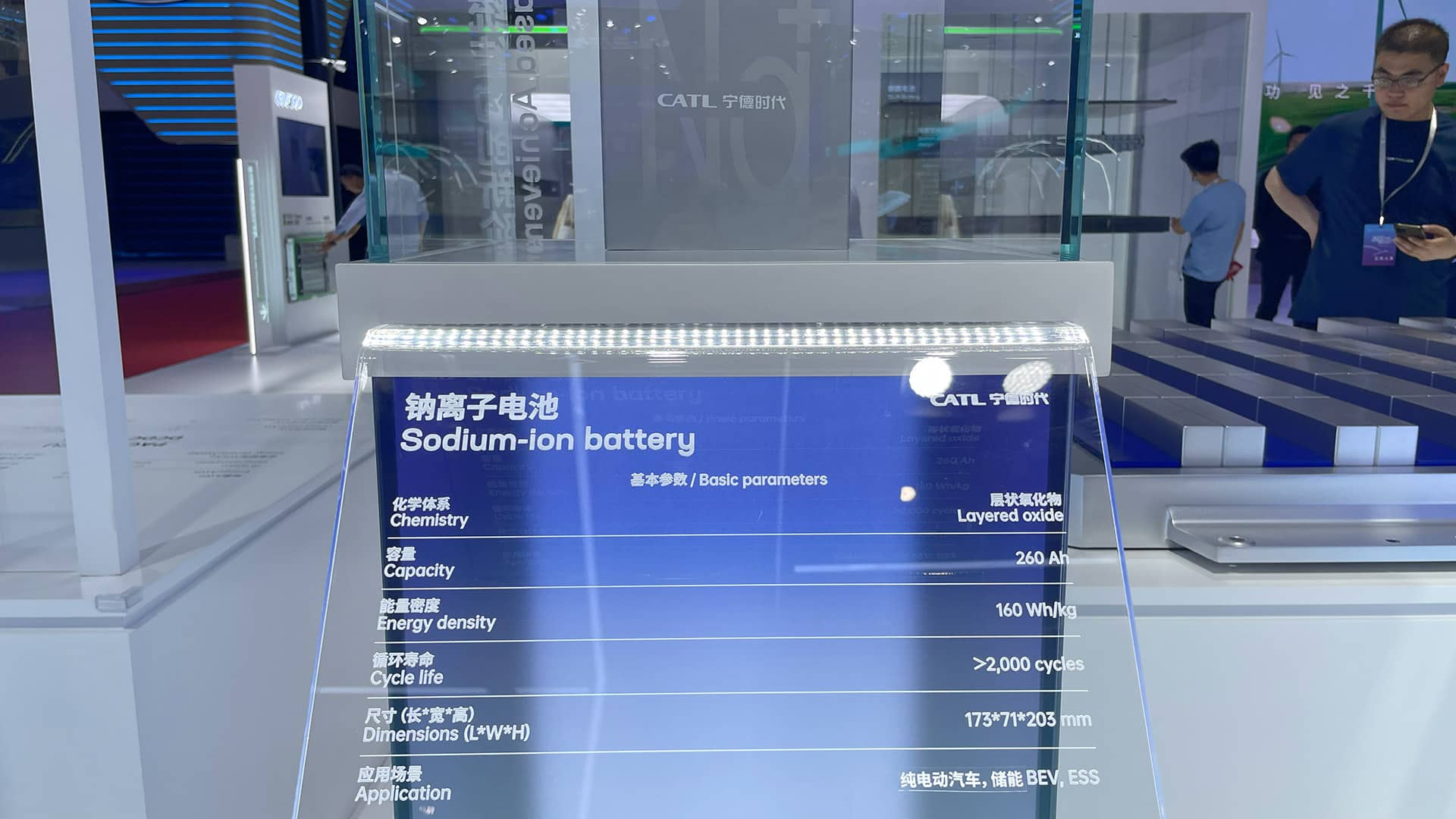
CATL (HKG: 3750, SHE: 300750) has reportedly begun deploying its sodium-ion batteries in passenger vehicles, following their initial use in commercial vehicles.
Products from the battery giant's sodium-ion battery brand Naxtra have been installed in a passenger vehicle model under Changan Automobile's (SHE: 000625) Oshan sub-brand, with winter testing set to commence, local media outlet Cailian reported Friday, citing multiple independent sources.
Next, passenger vehicle models from GAC Group and Anhui Jianghuai Automobile Group Corp (JAC) will also feature CATL's sodium-ion batteries, the report said.
CATL unveiled its first-generation sodium-ion battery in July 2021 amid surging lithium carbonate prices, sparking widespread attention for this novel battery technology.
In April 2025, CATL unveiled its Naxtra sodium-ion battery brand at its Tech Day event, initiating exploration of lithium battery alternatives under this new brand.
The Naxtra passenger vehicle battery boasts an energy density of up to 175 Wh/kg, leading global sodium-ion batteries and matching LFP batteries, CATL said at the time.
Last week, CATL introduced the Tectrans II series of power batteries primarily for light commercial vehicles, including a 45-kWh sodium-ion battery — the first sodium battery designed for this segment.
The battery pack can still be plugged in and charged in extreme cold environments as low as -30°C. At -40°C, the battery retains 90% of its usable capacity, CATL said.
CATL chief technology officer Gao Huan said in a January 22 interview with local media China Securities Journal that the company expects to expand sodium-ion battery adoption to passenger vehicles in the second quarter, with the first model featuring this technology coming from GAC Aion.
Today's latest report differs from this earlier statement.
As production capacity expands, sodium-ion batteries will gradually scale up for deployment in passenger vehicles, commercial vehicles, energy storage, and even construction machinery, Gao noted.