- As part of the agreement, Transport Canada will certify new Chinese EVs within just eight weeks, Bloomberg reported.
- Automakers already certified in North America include Tesla, as well as Geely- controlled Volvo Car and Polestar.
Canada and China reached an electric vehicle (EV) tariff reduction agreement last week, with the first beneficiaries likely to be manufacturers that have already secured North American certification and are rapidly expanding overseas operations.
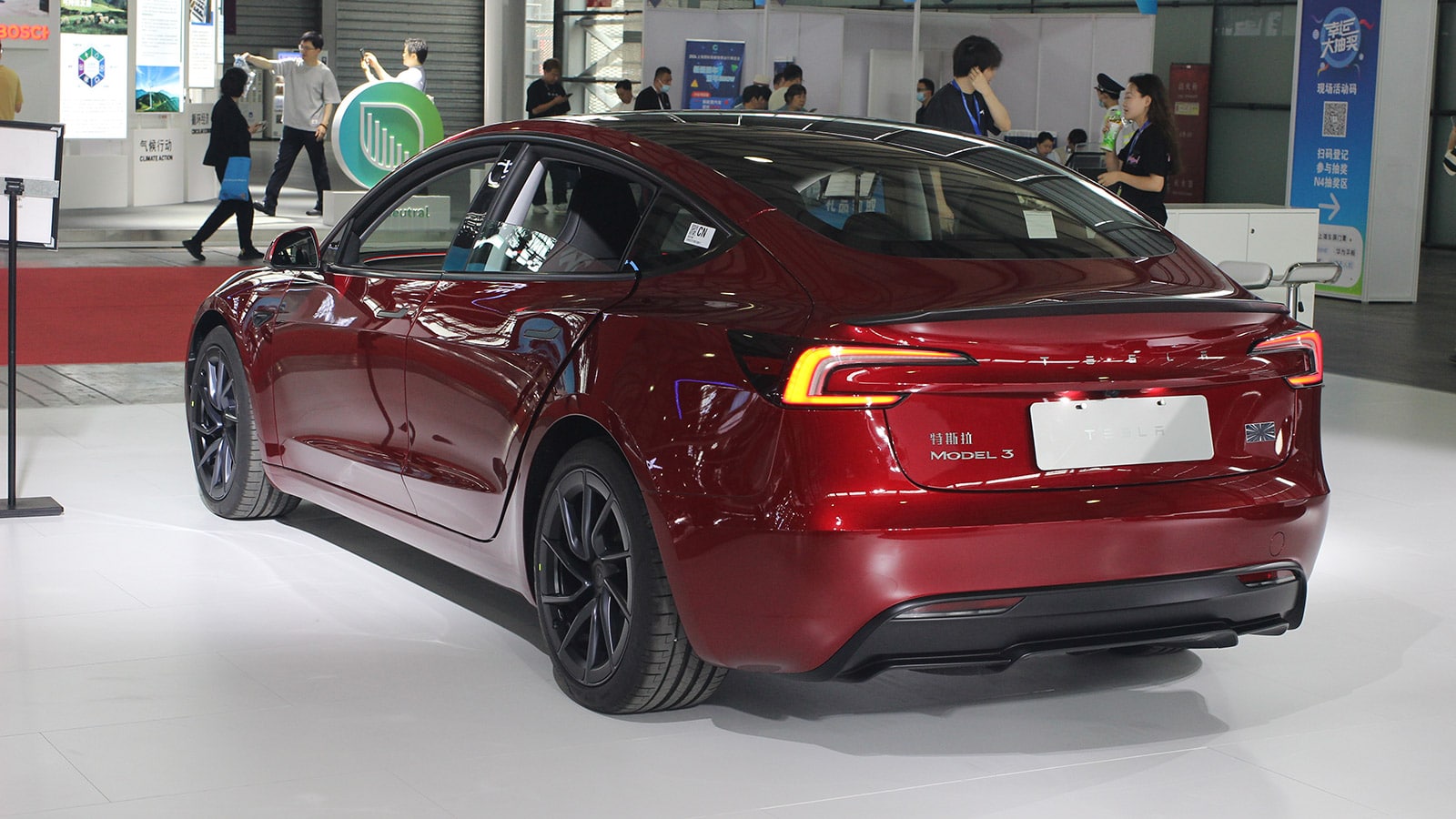
These include Tesla (NASDAQ: TSLA) and Geely-controlled Volvo Car and Polestar, according to a Bloomberg report on Monday citing Bloomberg Intelligence analysts including Joanna Chen.
Tesla has been a major EV importer into the Canadian market, shipping over 44,000 EVs to Canada in 2023 — the last full year before the implementation of 100% tariffs in 2024, the report noted.
Other automakers are likely to follow quickly as the Canadian government seeks to streamline the approval process.
As part of the agreement, Transport Canada will complete certification for new Chinese EVs in as little as eight weeks, Bloomberg cited a government official familiar with the deal who requested anonymity.
A Geely spokesperson said that the impact varies across its brands, but overall, the change represents a positive move.
BYD, the world's largest new energy vehicle (NEV) maker, currently has negligible sales in Canada, but its mass-market products will also benefit from reduced tariffs, the report noted.
The Canadian government announced in a statement last Friday that it had reached an agreement with China allowing up to 49,000 Chinese EVs to enter the Canadian market annually at a most-favored-nation tariff rate of 6.1%.
Under this agreement, over 50% of these vehicles are expected to be affordable EVs priced below C$ 35,000 within five years, according to the statement.
BYD has been operating in Canada for over a decade, and the latest agreement will further boost its localization efforts in the country, Shenzhen TV reported on Saturday.
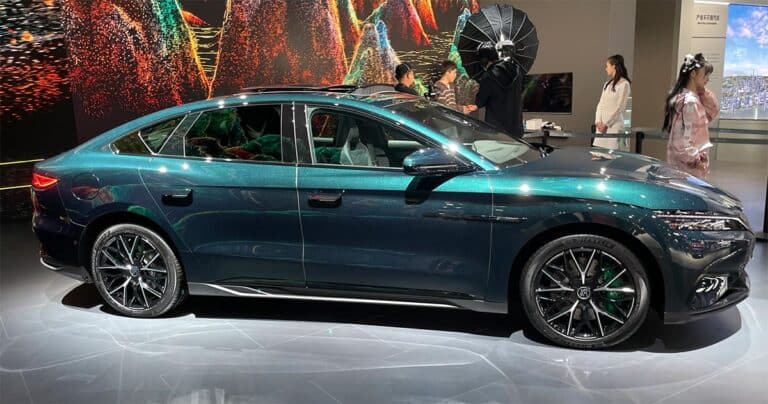
BYD entered the Canadian market in 2013 and opened its first factory in Ontario in 2019 to assemble buses.
The EV tariff reduction will help BYD refine its global sales network, particularly its North American footprint, and drive sales growth, Shenzhen TV said.
Geely-controlled sports car brand Lotus said in a Sunday statement that the Canadian EV tariff cut is expected to reduce the planned price of its Eletre in the country by about 50%, thereby boosting sales.
Lotus operates over 210 dealerships globally, including six in Canada.
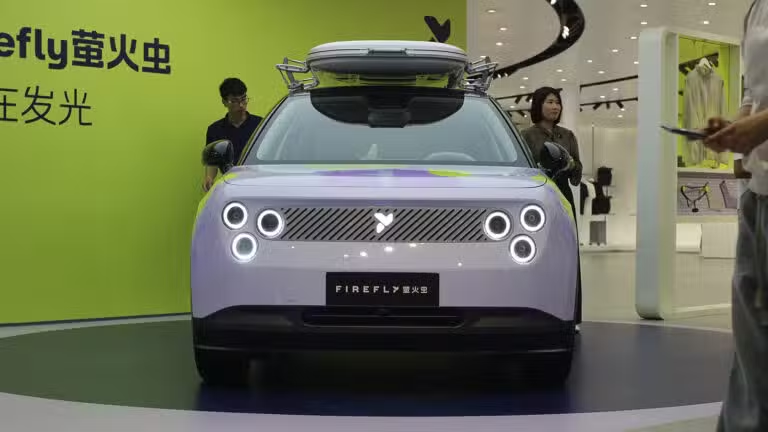
Additionally, Nio Inc (NYSE: NIO, HKG: 9866) said in November 2025 that its sub-brand Firefly was deepening market penetration in Europe, North America, and Asia — marking its first mention of North American expansion efforts.