- Both Mercedes-Benz and BMW have provided 2026 demand forecasts to their Chinese supply chains, with projections falling back to sales levels seen a decade ago.
- In contrast, China's premium brands have set more aggressive sales targets, with Nio aiming for 40-50% sales growth in 2026.
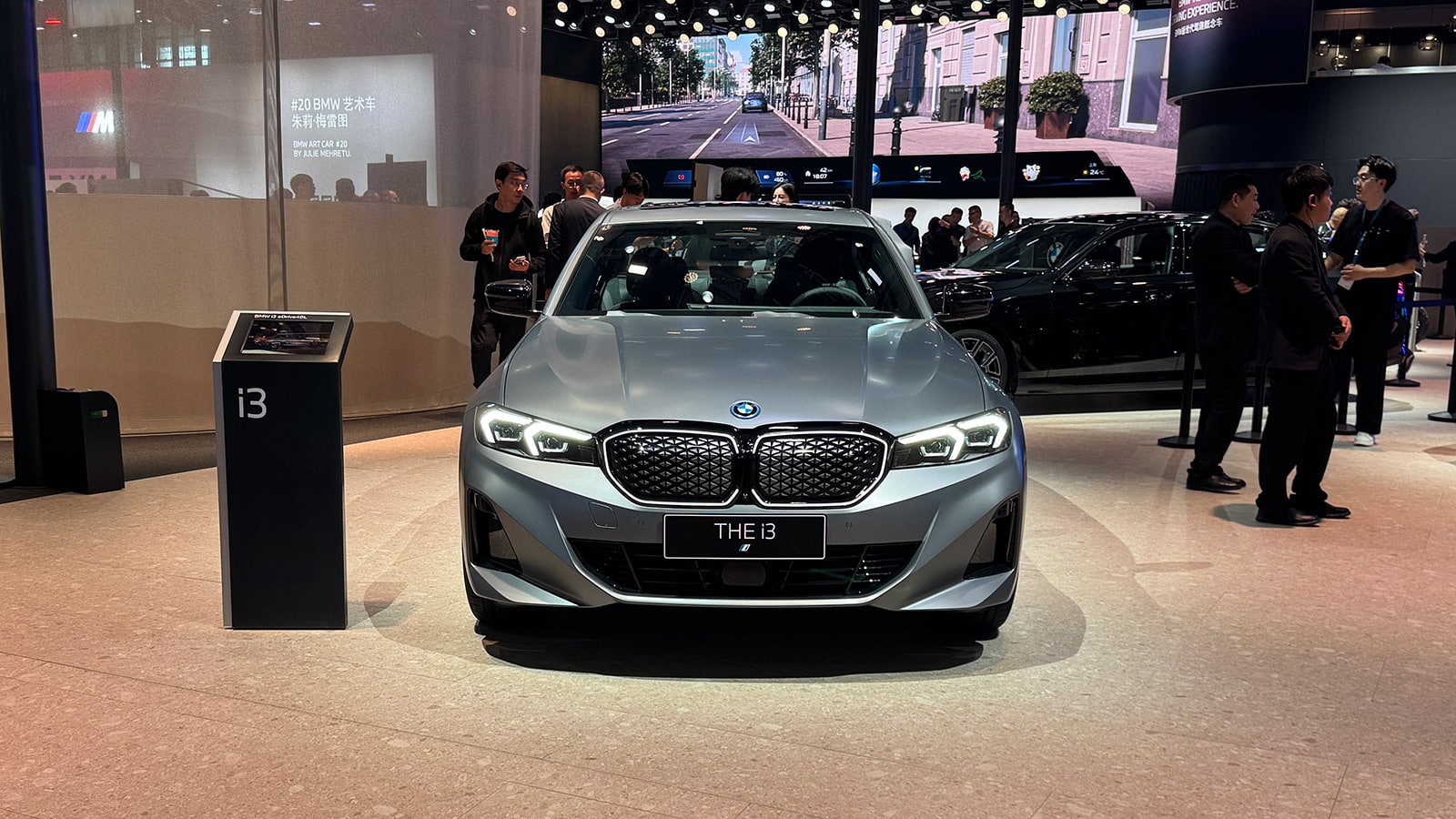
German brands, long dominant in China's luxury car market, are beginning to feel the chill as domestic Chinese brands gain prominence.
Mercedes-Benz and BMW have recently provided preliminary 2026 demand forecasts to their domestic Chinese supply chains, with annual projections for locally produced models falling below 500,000 units each, according to a Wednesday report by 36Kr citing multiple sources.
This indicates that demand for these two German luxury automakers in China has nearly returned to their sales levels from a decade ago, the report said.
By contrast, Chinese premium brands have set more aggressive sales targets, the report noted.
Nio Inc (NYSE: NIO, HKG: 9866) targets 40-50% growth in 2026, translating to around 460,000 units; Xiaomi EV aims for 550,000 units, representing a 34% year-on-year increase; Huawei's HIMA (Harmony Intelligent Mobility Alliance) has set a target of 1-1.3 million units, anticipating 120% growth.
Following its facelift, the Nio ES8 achieved monthly sales of 22,000 units in December. HIMA's Aito M8 and M9 models each surpassed annual sales of 100,000 units, while the Maextro S800 — starting at RMB 708,000 ($101,530) — delivered over 4,000 units in December, 36Kr noted.
Mercedes-Benz and BMW have both experienced consecutive annual sales declines exceeding 10% in China.
In 2025, Mercedes-Benz recorded 551,900 units sold in China, a 19% year-on-year decline; BMW sold 625,527 units, down 12.5% year-on-year, according to data released earlier this month.
In 2026, Mercedes-Benz will launch 15 facelifts and new models in China, including the long-wheelbase pure-electric GLC and the first domestically produced GLE. BMW will also introduce its new-generation iX3 and over 20 other new models to the Chinese market, as noted by 36Kr.
Despite their robust new product lineups, both automakers maintain a clear understanding of the competitive landscape in China's automotive market, the report stated.
With China's rapid automotive electrification, new energy vehicle (NEV) penetration exceeded 50% in 2025.
Traditional luxury brands including Mercedes-Benz and BMW lag behind domestic Chinese brands in electrification pace.
Mercedes-Benz launched its all-electric CLA in November 2025, offering a range of up to 866 kilometers and featuring an advanced driver assistance system developed in partnership with Chinese firm Momenta. However, combined sales for November and December totaled only 1,369 units, according to 36Kr.
BMW China's 2025 pure-electric car sales were more optimistic at 53,000 units, yet this still accounted for less than 10% of its total sales.
Behind this, the BMW i3's transaction price once dropped from its suggested retail price of RMB 353,900 to below RMB 200,000, the report noted.

($1 = RMB 6.9732)