- The standard is seen as a key step for solid-state batteries to transition from laboratory research to large-scale vehicle integration.
- The standard categorizes batteries into liquid batteries, hybrid solid-liquid batteries, and solid-state batteries.
China has initiated a public feedback process for solid-state batteries used in electric vehicles (EVs), as this next-generation battery technology is poised for large-scale commercialization within the next two years.
China's National Technical Committee of Auto Standardization released "Solid-state Battery for Electric Vehicle -- Part 1: Terms and Classification" on December 30, marking the nation's first national standard for solid-state batteries.
The draft primarily covers foundational aspects such as terminology, classification, and coding for solid-state batteries. The public comment period closes on February 28, 2026.
Based on the method of ion transport within the battery cell, the standard categorizes batteries into liquid battery, hybrid solid-liquid battery, and solid-state battery.
This implies that the designation "semi-solid-state battery" is not recognized, confirming media reports from earlier this year. Over the past few years, several Chinese automakers and battery manufacturers have referred to hybrid solid-liquid battery as semi-solid-state battery.
Based on the type of solid electrolyte, solid-state batteries are further categorized into sulfide solid-state battery, oxide solid-state battery, polymer solid-state battery, halide solid-state battery, and composite electrolyte solid-state battery.
Based on the type of conducting ions, solid-state batteries are categorized into solid-state lithium-ion battery, solid-state sodium-ion battery, and other types.
Depending on the application field, solid-state batteries are classified into high-energy solid-state battery, high-power solid-state battery, and others.
Regarding the evaluation of solid-state batteries, the weight loss rate should not exceed 0.5 percent, according to the draft for public comment.
Weight loss rate refers to the ratio of mass lost during vacuum drying under specified conditions to the initial mass. A lower weight loss rate indicates fewer liquid components within the battery.
Currently, neither China nor overseas markets have established standards for automotive solid-state batteries. The development of the standard is expected to resolve conceptual confusion, unify technical standards, and mark a crucial step in transitioning solid-state batteries from laboratory research to large-scale vehicle integration, as noted in a Securities Times report today.
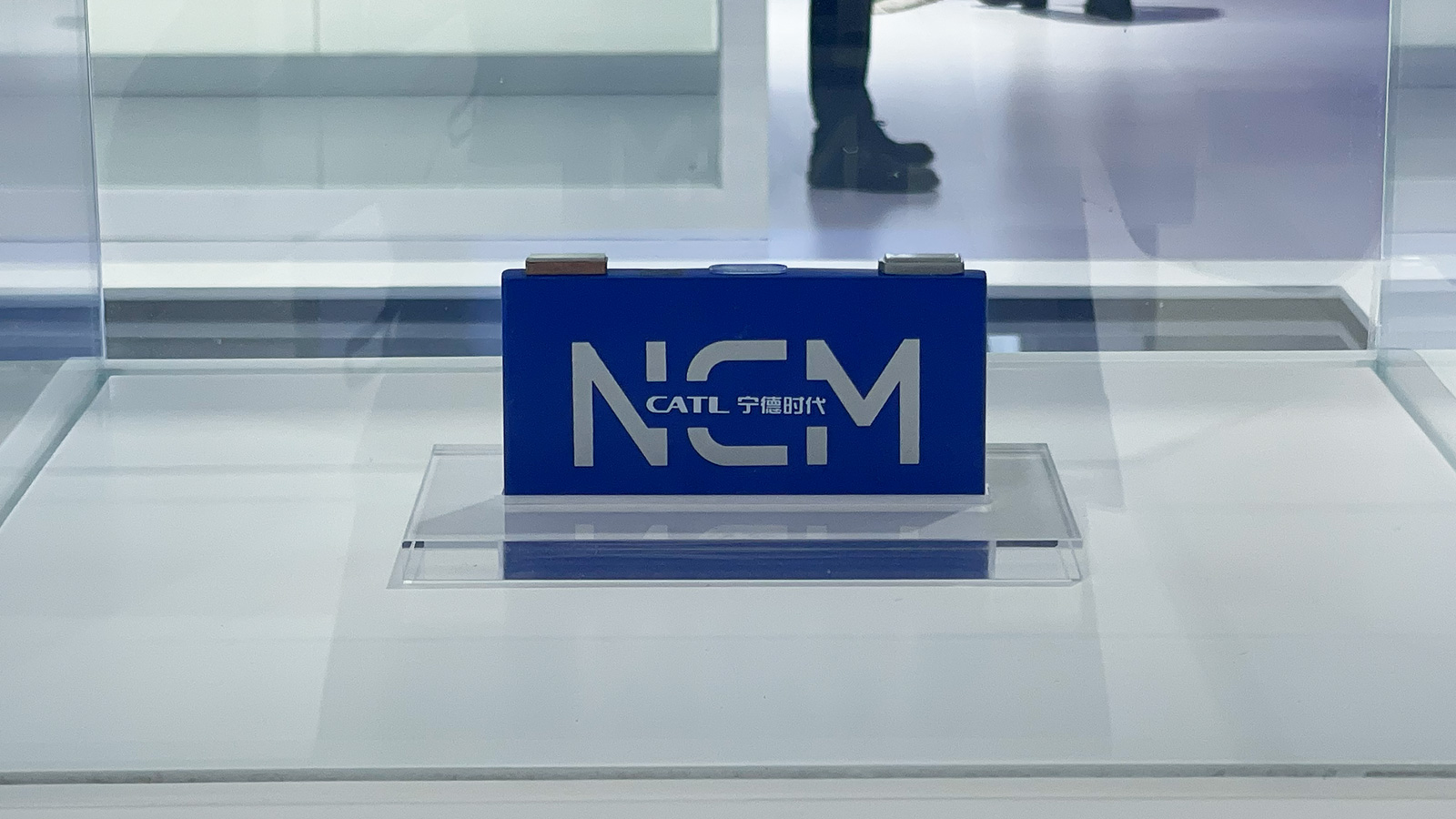
Major Chinese battery manufacturers, including CATL (HKG: 3750, SHE: 300750) and BYD (HKG: 1211, OTCMKTS: BYDDY), currently target beginning vehicle integration of all-solid-state batteries by 2027.
CATL aimed to achieve small-scale production of all-solid-state batteries by 2027, though large-scale production would still face challenges including cost, the company's chief scientist Wu Kai said last April.
The true large-scale application of all-solid-state batteries may not materialize until after 2030, BYD battery business CTO Sun Huajun said in February this year.