-
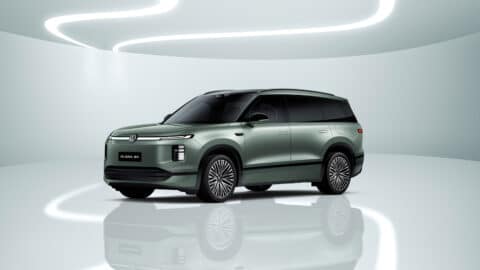
VW pivots to range-extender tech in China with Mar 16 event for ID. ERA series
SAIC-Volkswagen will showcase core technologies for its new ID. ERA product line at a tech event on March 16.
-
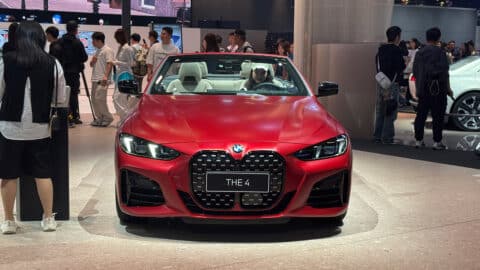
BMW, CATL deepen partnership on data and carbon reduction
BMW and CATL will launch pilot projects for trusted data exchange and carbon footprint accounting under the Battery Passport framework.
-
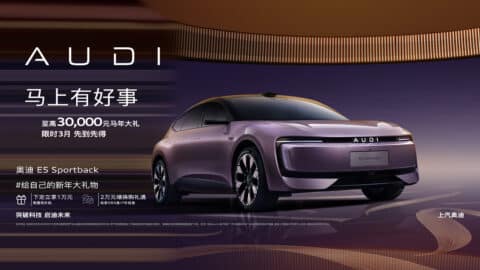
SAIC Audi offers substantial discounts on E5 Sportback
SAIC Audi is offering limited-time promotions of up to RMB 30,000 ($4,370) on the AUDI E5 Sportback this month, lowering the model's starting price to RMB 205,900.
-
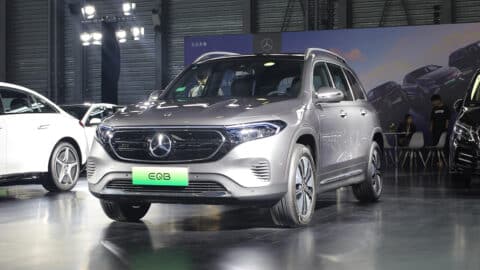
Mercedes recalls 19,481 EVs in China due to battery fire risk
Beijing Benz is recalling 19,481 locally produced EQA and EQB vehicles to replace their high-voltage batteries.
-
VW Cupra Tavascan exempted from EU tariffs on Chinese EVs as price undertaking accepted
The European Commission has accepted Volkswagen Anhui's price undertaking for BEV exports, exempting the China-made Cupra Tavascan SUV from import duties.
-
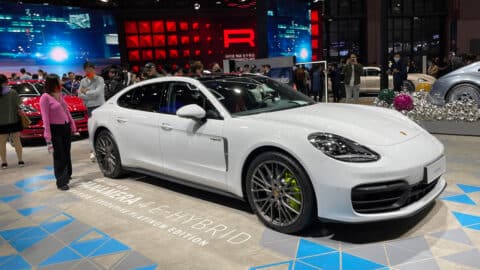
Porsche plans to reduce its dealerships in China by 30% in 2026
Porsche aims to cut its dealership network in China from 114 outlets to 80 in 2026.
-
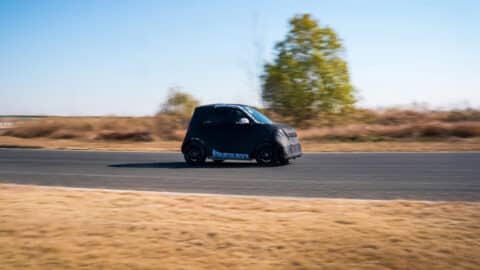
Smart #2 prototype concept car to debut at April Beijing auto show
The production version of the two-seat Smart #2 mini EV will be launched within 2026.
-
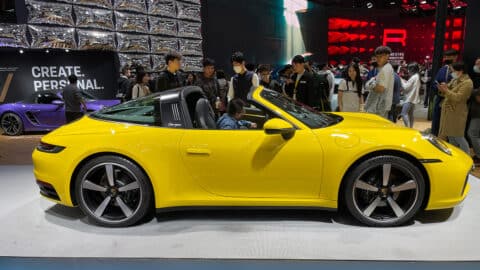
Porsche's China deliveries decline for 4th consecutive year
Porsche delivered 41,938 vehicles in China in 2025, marking a 26.28% decrease compared to 2024.
-
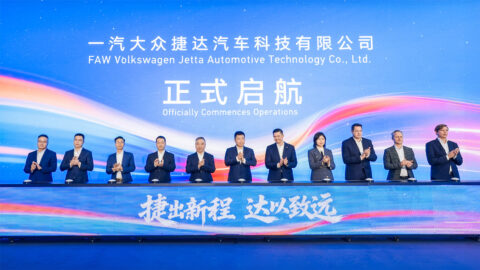
VW's Jetta brand launches new China entity, 1st model to debut this year
FAW Volkswagen Jetta commenced operations on Wednesday, granted greater market-oriented R&D autonomy and accelerated decision-making authority.
-
Mercedes, BMW project tepid 2026 demand in China as domestic brands like Nio and Aito gain traction
Both Mercedes-Benz and BMW have provided 2026 demand forecasts to their Chinese supply chains, with projections falling back to sales levels seen a decade ago.