-
 China EV Deliveries
-
New EV Models


-
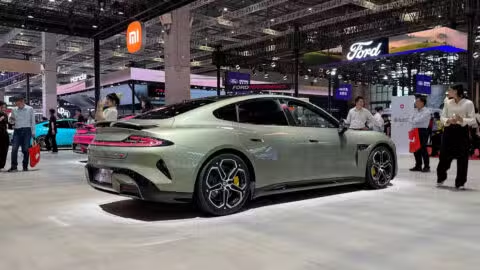
Xiaomi brings in Tesla veterans to strengthen retail and manufacturing operations
Former Tesla China general manager Kong Yanshuang has joined Xiaomi EV, while another veteran with Giga Shanghai management experience is also set to join.
-
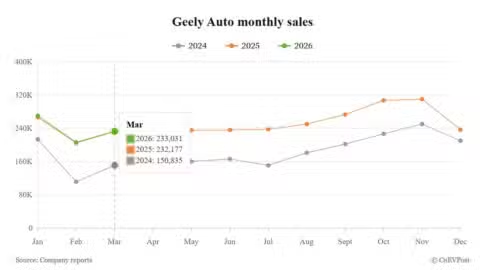
Geely Mar sales hold steady as exports surge 120%
Geely March sales flat year-on-year at 233,031 units, with exports surging 120% as the core driver.
-
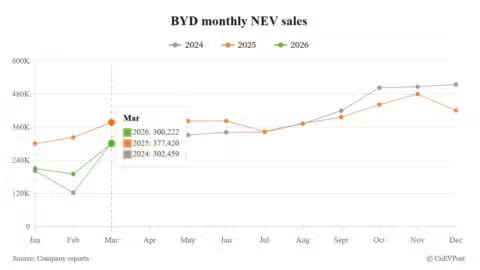
BYD Mar NEV sales rebound to over 300,000 as overseas growth accelerates
BYD sold 300,222 NEVs in March, up 57.85% from February, though down 20.45% year-on-year.
-
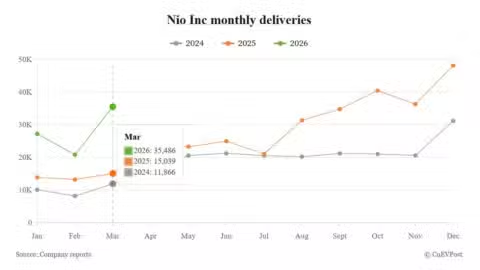
Nio Mar vehicle deliveries hit 35,486 to top quarterly guidance
Nio delivered 35,486 vehicles in March, representing a 136% year-on-year increase, pushing its first-quarter total past the company's guidance.
-
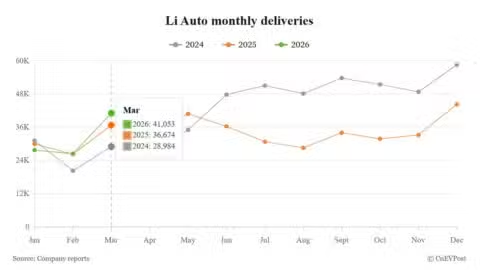
Li Auto delivers 41,053 cars in Mar, stabilizing after tough year
In the first quarter, Li Auto delivered 95,142 vehicles, exceeding the upper end of its guidance range.
-
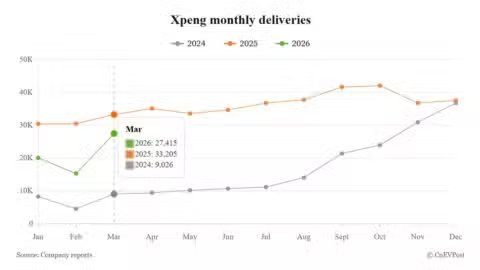
Xpeng Mar deliveries rebound sequentially despite year-on-year decline
Xpeng delivered 27,415 vehicles in March, surging 80% from February but still down 17% year-on-year.
-
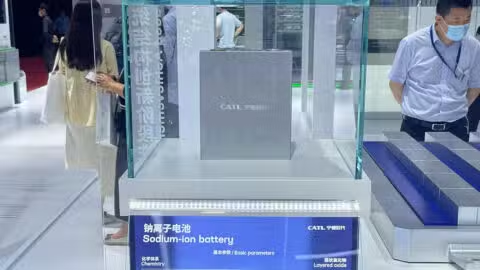
Hina Battery exec predicts sodium battery costs will fall to match lithium rivals
Hina Battery general manager expects a historic convergence in the price ranges of sodium-ion and lithium batteries next year.
-
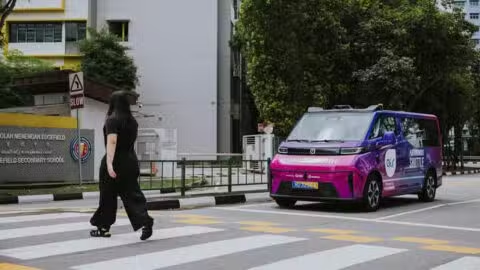
WeRide, Grab launch Singapore's first public robotaxi service
WeRide and Grab have commenced public robotaxi operations in Singapore's Punggol district.
-
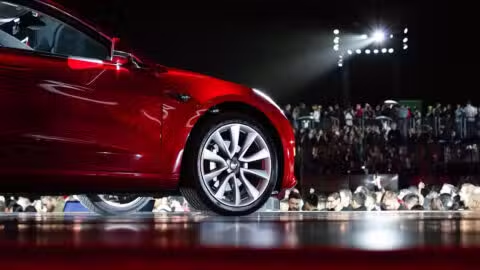
Tesla celebrates 10th anniversary of Model 3 launch as global sales hit 3 million
Tesla Model 3 sold 200,361 units in China in 2025, up 13.33% year-on-year.
-
BYD deploys 5,000th flash charging station as it targets 20,000 sites this year
BYD has put its 5,000th flash charging station into operation, marking a milestone in its charging infrastructure expansion.