Phate Zhang
-
Tesla Model Y with BYD battery has started production in Germany, report says
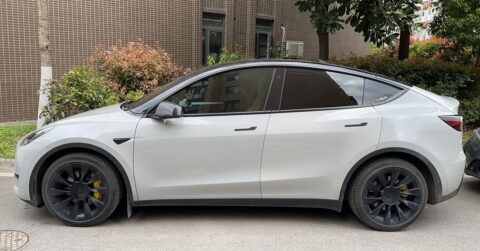
Since this week, the Model Y with BYD battery has been produced at Tesla's Gigafactory in Grünheide, Germany, according to a German media report.
-
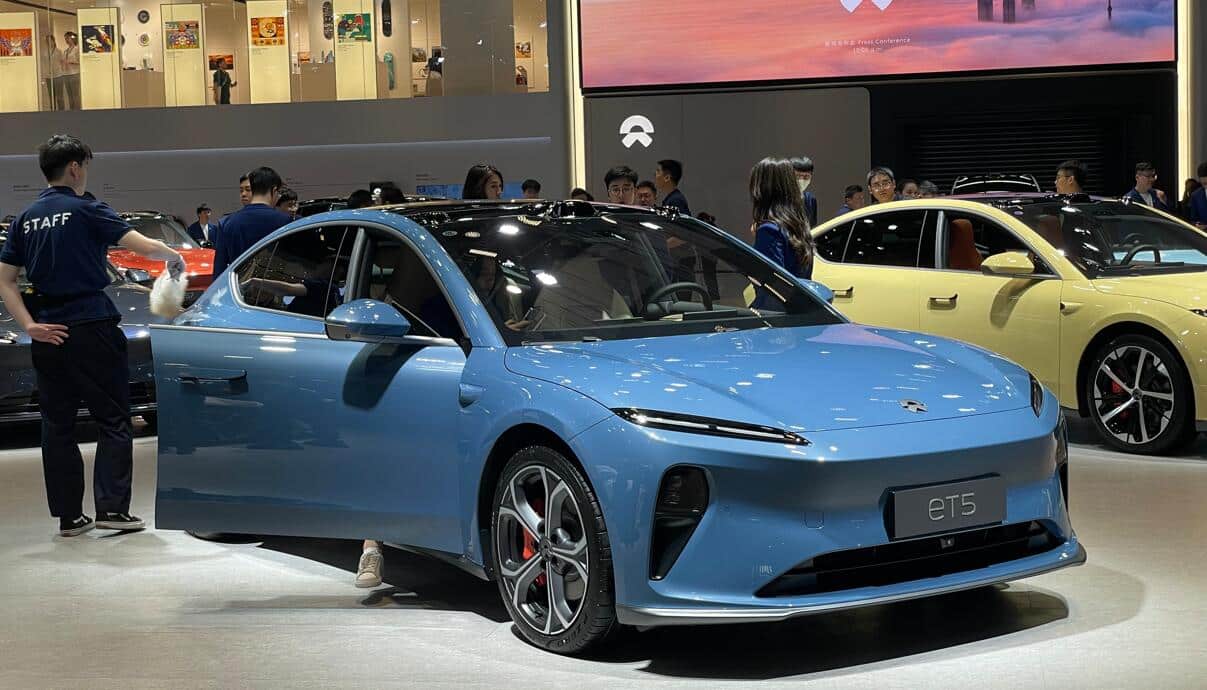
Nio rumored to officially launch new ES6 on May 24
Nio will officially launch the new ES6 and announce the price on May 24, with deliveries expected to begin within days of the launch, according to local media.
-
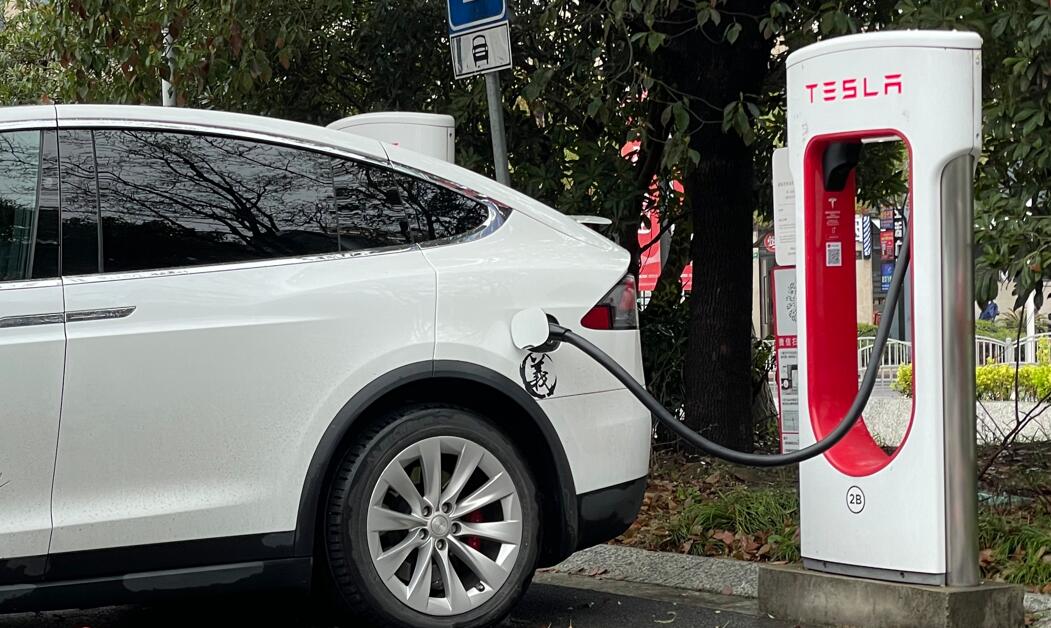
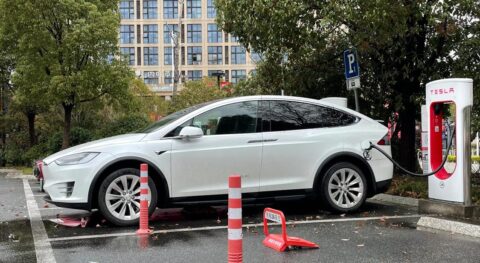
Tesla offers new Model S and Model X buyers 3 years of free supercharging benefits along with price hike in China
Starting May 5, Chinese consumers who order a new Model S or Model X and have the vehicle delivered by September 30 will receive the benefit.
-
Tesla hikes prices of new Model S and Model X in China
Tesla raised the prices of the entire new Model S and Model X lineup in China by about 2 percent, following price increases for the locally produced Model 3 and Model Y three days ago.
-
Li Auto Q1 earnings preview: Shifting to higher gear
With sales near the low end of guidance, Li Auto's performance in the first quarter is expected to be somewhat mixed, but the outlook for delivery in the second quarter will be robust, according to Edison Yu's team.
-
Thailand in talks with CATL over potential battery plant
Thailand is talking to many companies, not just CATL, but many in the battery industry, an official in the Southeast Asian country said.
-
Chinese Lithium giant Tianqi reportedly mulling stake in Mercedes-Geely JV Smart
Smart delivered 4,390 vehicles in China in April, down 25.73 percent from 5,911 units in March.
-
Nio to open new Nio House in Germany on Jun 1
The new Nio House will be located in Düsseldorf and is set to become Nio's third such facility in Germany.
-
Chengdu auto show to be held from Aug 25 to Sept 3
Last year's Chengdu auto show opened on August 26, but the show, which was to run for 10 days, ended early after four days due to Covid control.
-
Nio to adopt NXP's 4D imaging radar that provides greater road safety
4D imaging radar enables cars to detect and classify objects such as other vehicles and vulnerable road users on highways and in complex urban scenarios and at distances of up to 300 meters.