Lei Kang
-
Zeekr, Dongfeng M-Hero integrate DeepSeek in car cockpits
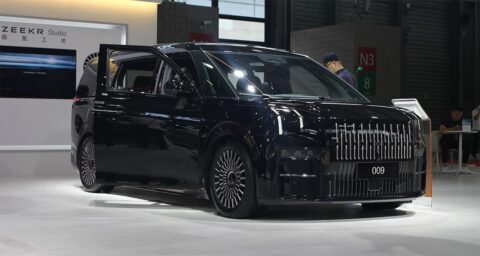
Zeekr's self-developed Kr AI large model has brought in the DeepSeek R1, and M-Hero has completed the integration of the cockpit with the DeepSeek AI model.
-
China Jan NEV wholesale at 900,000, down 40% from Dec, CPCA estimates show
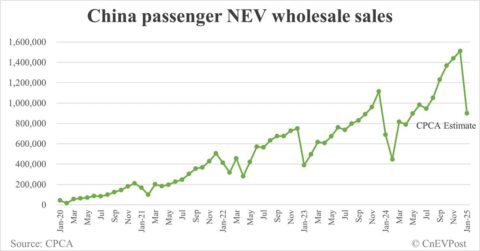
In January, China's wholesale sales of passenger NEVs were estimated at 900,000 units, up 31 percent from a year earlier but down 40 percent from December, the CPCA said.
-
Dongfeng Voyah's Zhiyin SUV reportedly to be 1st model to feature DeepSeek
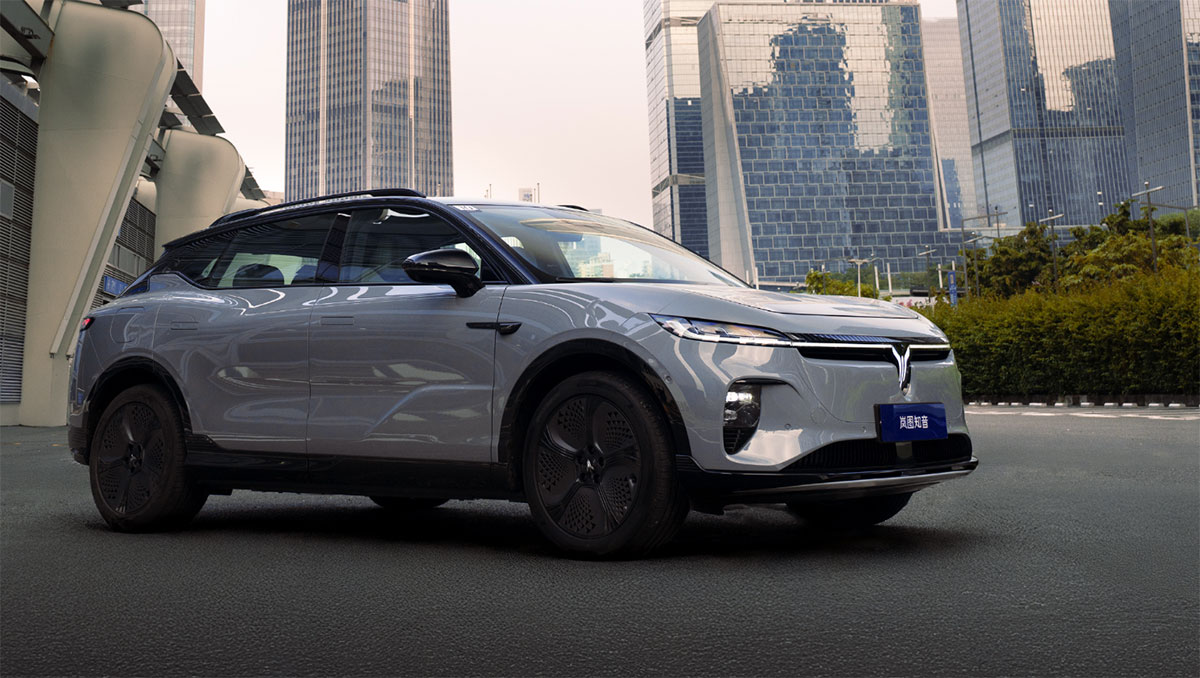
Voyah's cockpit has completed deep integration with DeepSeek and is scheduled to kick off DeepSeek knowledge distillation training on February 14, according to local media.
-
Nio sees record 136,720 single-day battery swaps during Chinese New Year break
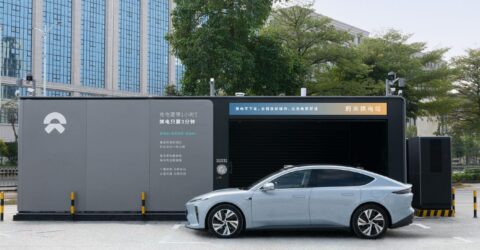
Between January 22 and February 5, there were 12 days with more than 100,000 single-day battery swap services.
-
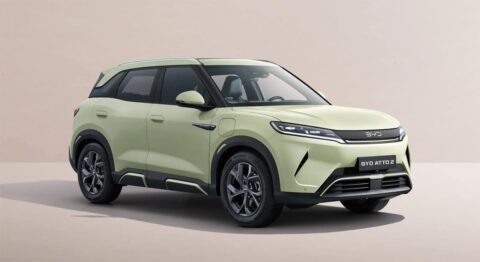
BYD launches Yuan Up compact SUV in Europe
The Yuan Up, rebranded locally as the Atto 2, is the ninth model BYD has launched in Europe.
-
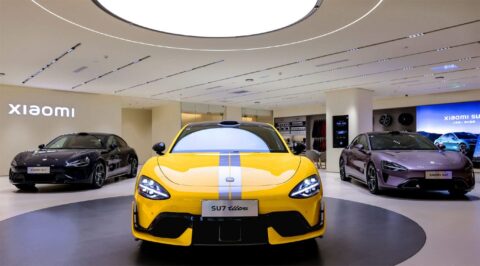
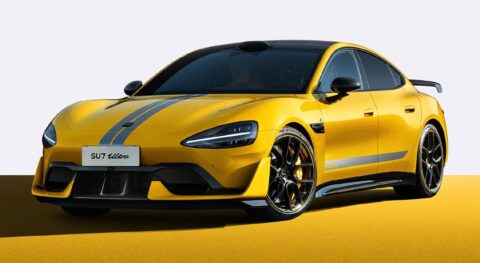
Xiaomi SU7 Ultra to be launched on Feb 27, report says
Xiaomi's sales target for the SU7 Ultra in 2025 is 10,000 units.
-
Chinese property giant Greenland launches unit dedicated to exporting NEVs
Greenland aims to achieve annual exports of 100,000 NEVs over the next three years.
-
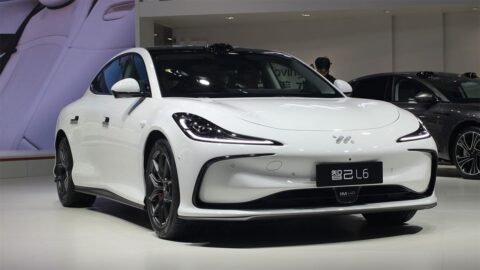
IM Motors offers limited-time $4,130 discount on L6 electric sedan
The discount, available this month, reduces the starting price of the IM L6 by 13.64 percent to RMB 189,900.
-
Xiaomi aims to sell 10,000 units of SU7 Ultra in 2025
Xiaomi will "release" the SU7 Ultra when it launches the Xiaomi 15 Ultra phone at the end of this month, its founder said.
-
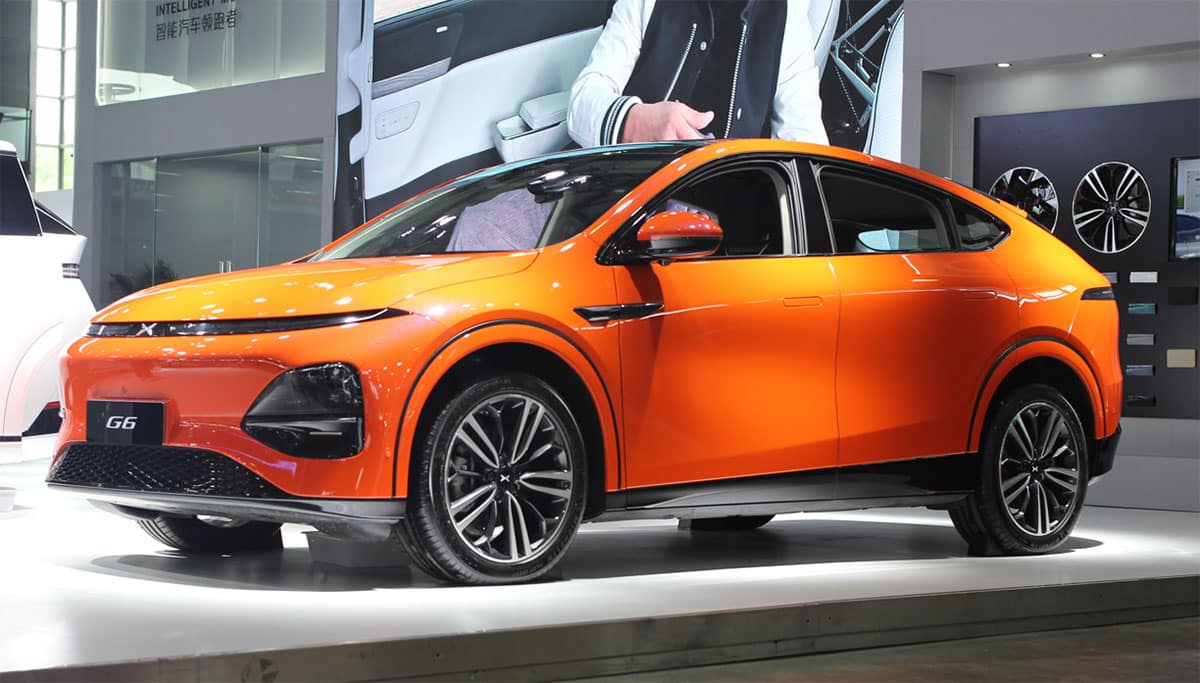
Xpeng to achieve L3 autonomous driving in H2 2025, CEO says in internal letter
Xpeng CEO said L3 autonomous driving will drive AI cars into the "iPhone 4 era".