Lei Kang
-
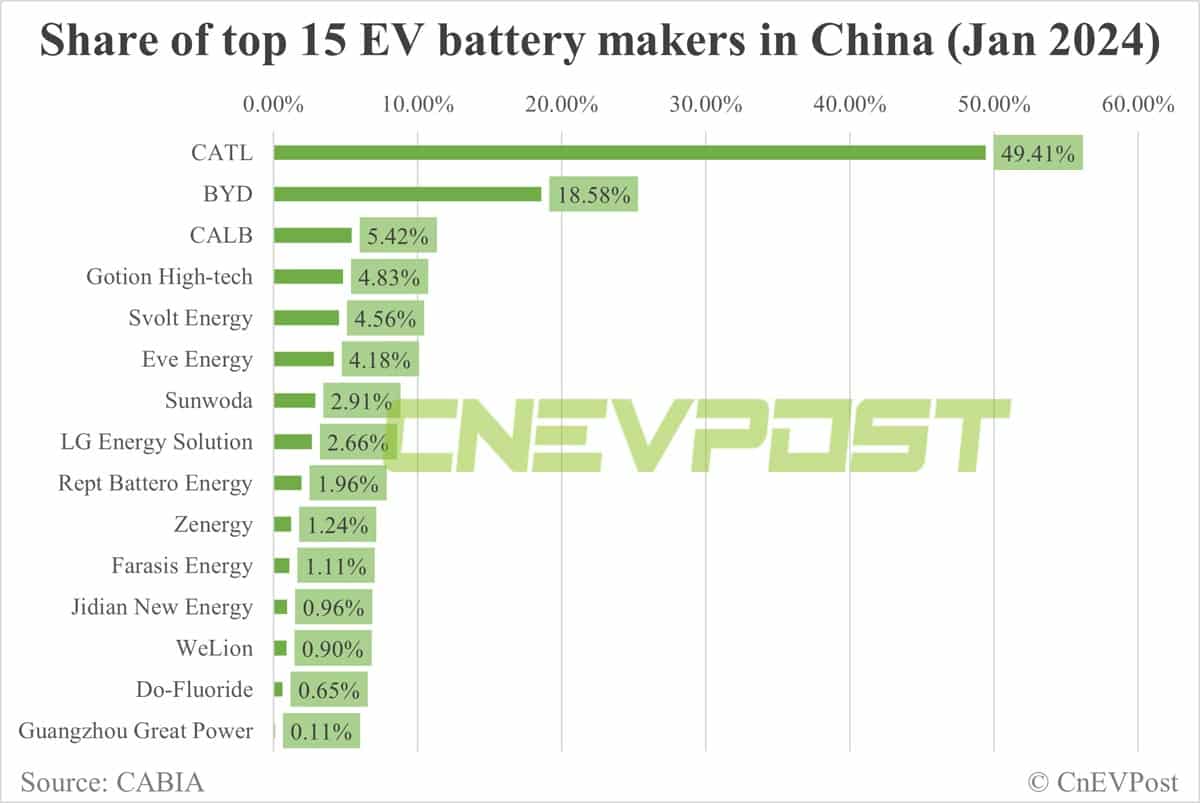
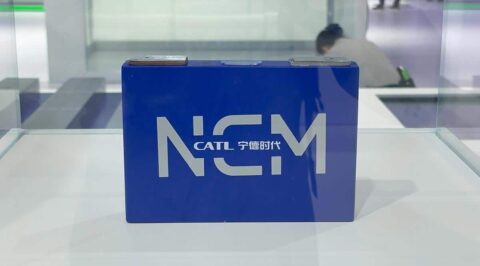
China Jan EV battery installations: CATL share 49.41%, BYD 18.58%
CATL's share of China's EV battery market increased by 4.93 percentage points in January from December, while BYD's share decreased by 4.37 percentage points.
-
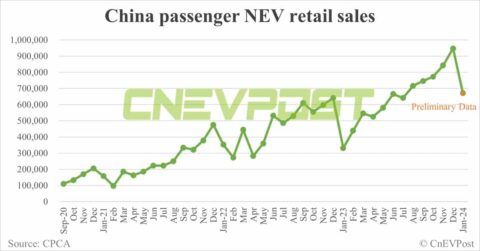
China's NEV retail sales down 29% MoM to 670,000 in Jan, preliminary CPCA data show
This means that the penetration of passenger NEVs at retail was 32.8 percent in January, down from 40.2 percent in December.
-
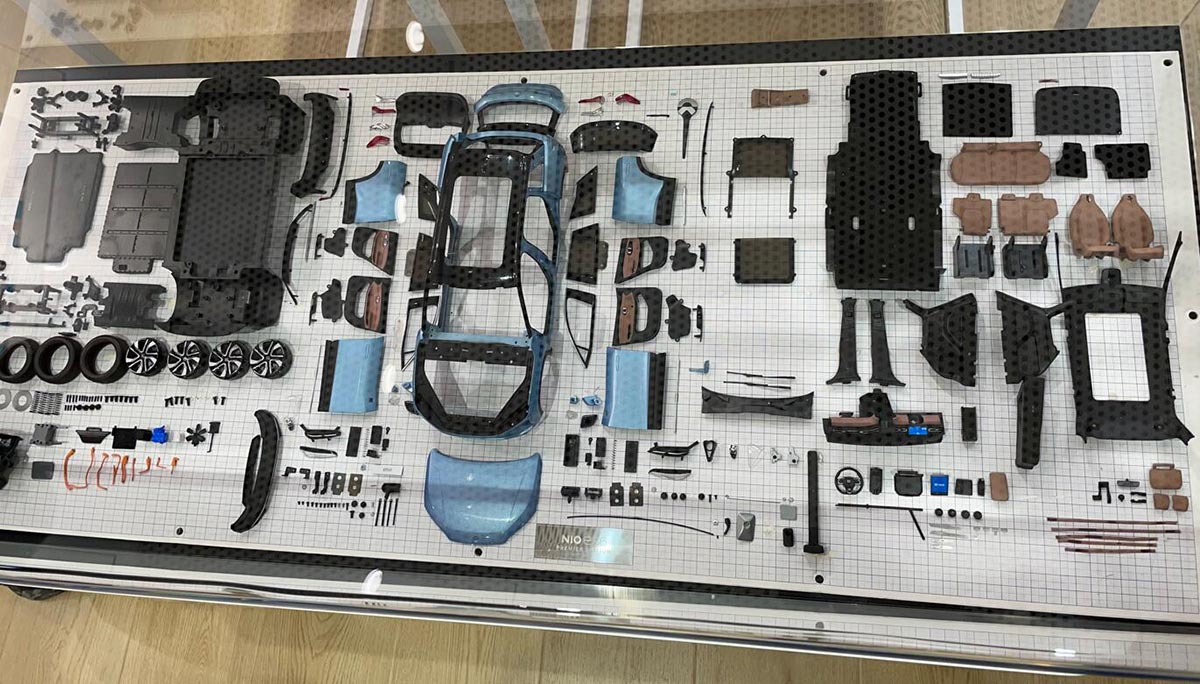
Nio Capital closes over RMB 3 billion in new fundraising
Since its inception in 2016, Nio Capital has raised five funds, including three US dollar funds and two RMB funds, with a total management scale of RMB 15 billion.
-
BYD to build charging facilities in Brazil with local energy firm Raízen Power
BYD and Raízen Power plan to build 600 new DC charging piles in eight major Brazilian cities.
-
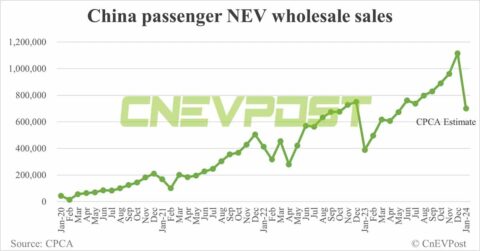
China's Jan NEV wholesale at 700,000, down 37% from Dec, CPCA estimates show
China's January wholesale sales of passenger NEVs are expected to be 700,000 units, up 80 percent year-on-year, but down 37 percent from December, the CPCA said.
-
China power battery cell prices fall as much as 7% in Jan, TrendForce says
Pouch-type ternary power battery cells saw the biggest drop, falling 7.3 percent to $0.51 per Wh in January, TrendForce said.
-
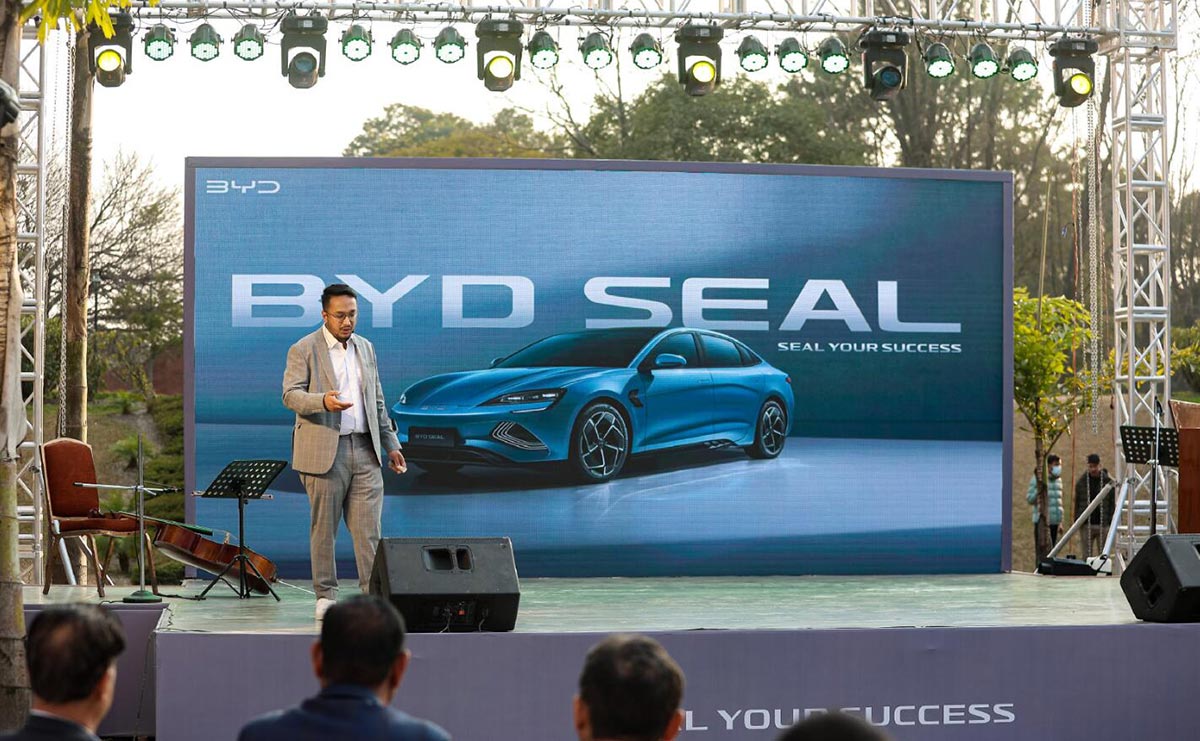
BYD launches electric sedan Seal in Nepal
Seal is the third EV model launched by BYD in Nepal after Atto 3 and Dolphin.
-
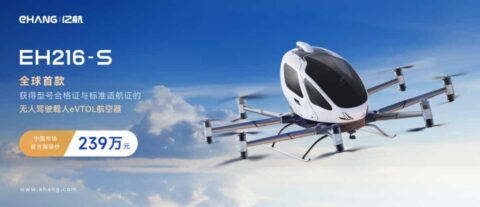
eVTOL maker EHang prices its EH216-S unmanned aerial vehicle at about $333,000 in China
EHang's EH216-S has an official guide price of RMB 2.39 million in China, which will be effective from April 1, 2024.
-
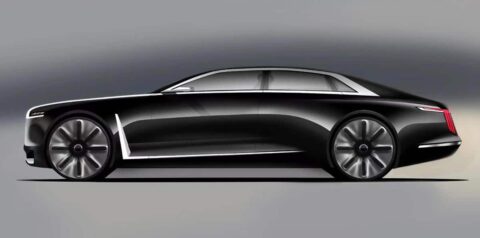
Great Wall Motor reportedly to launch new brand codenamed ZX, 1st model to be premium sedan
Great Wall Motor's first model under the ZX brand will be a premium new-energy sedan in the D+ class, with a length of around 5,500 mm, according to local media.
-
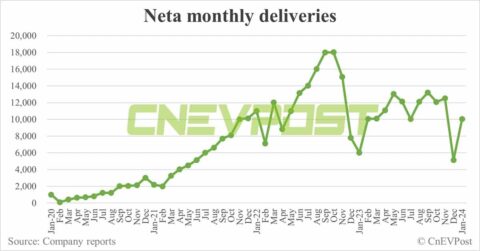
Neta delivers 10,032 cars in Jan, up 95.37% from Dec
Neta's sequential rebound in deliveries in January appears to be largely due to a low base in December.