- Li Auto will launch its first automated charging station in the second quarter, aiming to reduce driver input for charging.
- The move intensifies competition among Chinese EV makers in automated charging and smart driving technologies.
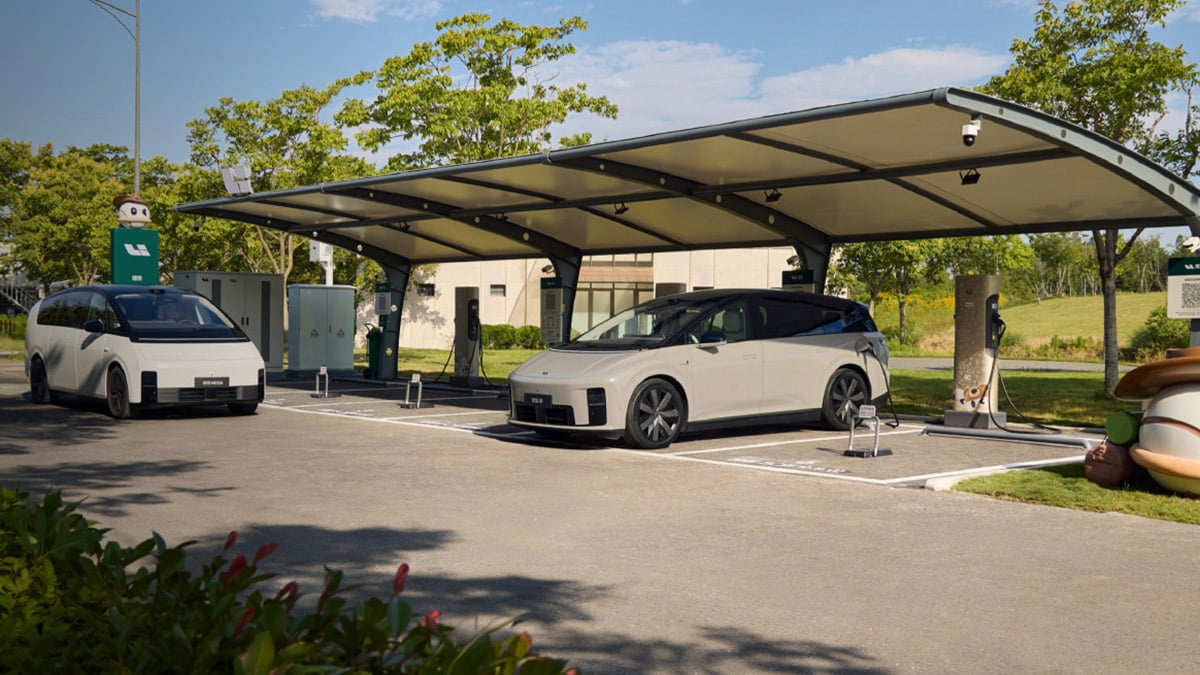
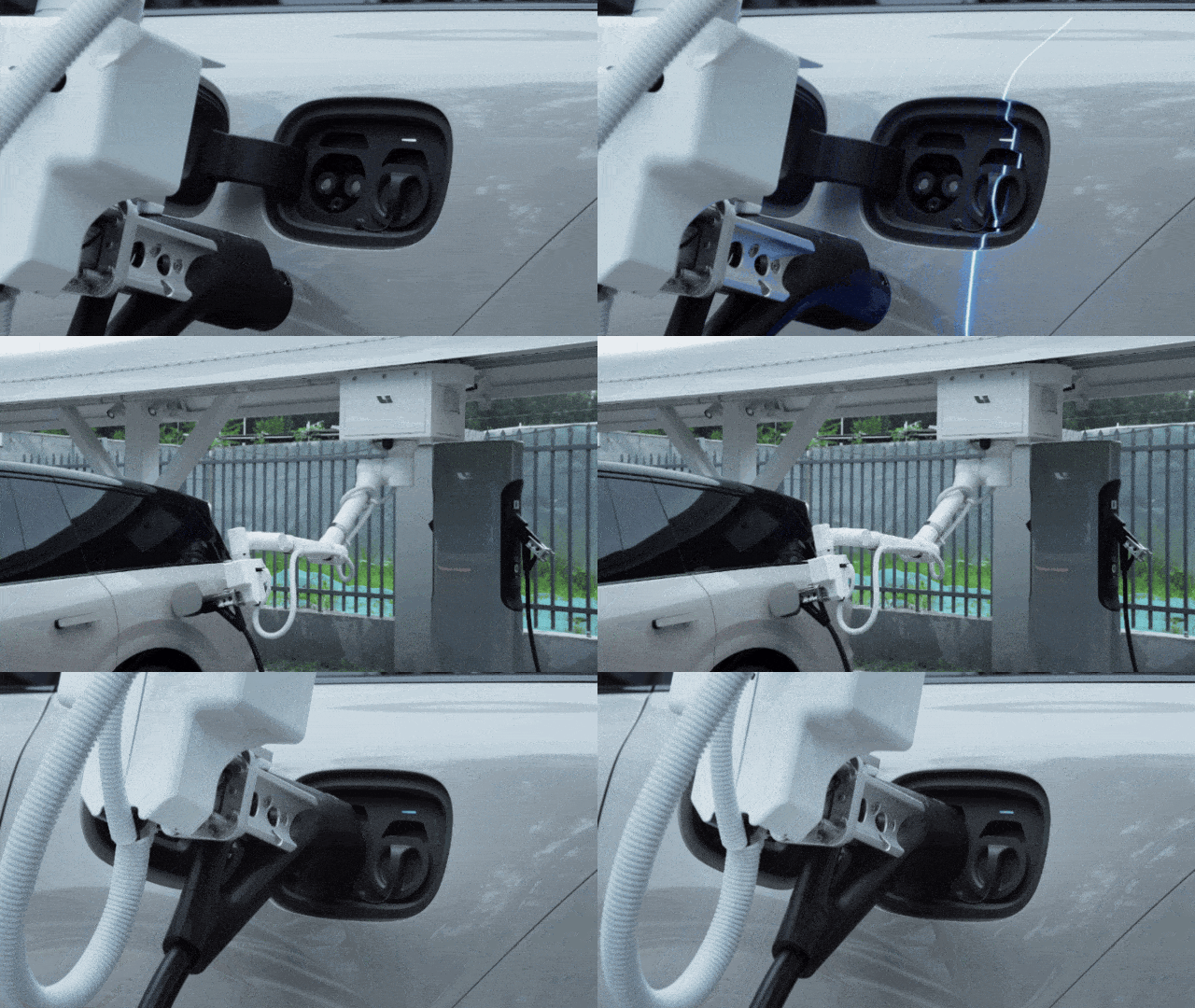
Li Auto will launch its first automated charging station in the second quarter as the Chinese electric vehicle (EV) maker seeks to simplify the charging process.
The company announced the plan on Thursday, stating that drivers will require less manual input from locating a station and parking to charging, delivering a more relaxed and reassuring travel experience.
The anticipated launch comes as the company expands its infrastructure network, with Li Auto having built over 4,000 supercharging stations to date.
These charging sites contain more than 22,000 superchargers, which currently cover over 280 cities across China.
The company said its focus is shifting toward faster charging speeds and better user experiences, with 4C and 5C superchargers now accounting for nearly 70% of the total.
All-5C stations are also gradually increasing nationwide, and the number of these sites — where all chargers are 5C — has now exceeded 570.
The 4C chargers have a peak power of 360 kW, while the 5C chargers reach 520 kW, capable of charging a Li Mega from 10% to 80% in 12 minutes, according to previously released data from Li Auto.
During the travel peak of this year's Chinese New Year holiday, Li Auto's supercharging network provided over 1.45 million charging sessions.
Automated energy replenishment is becoming a new battleground among Chinese EV makers, with rival Nio allowing owners to stay inside their vehicles during a battery swap. The company previously demonstrated its vehicles' ability to automatically navigate to battery swap stations and complete the swap autonomously.
In late January, Nio rolled out the latest update of its Nio World Model (NWM) driver assistance software to vehicles in China, bringing a more human-like driving experience.
The software marks the first domestic application of complete closed-loop reinforcement learning in smart driving research and development, and adds a navigation function between urban battery swap stations, according to Nio.
Nio currently has 3,760 battery swap stations and 4,943 charging stations in China.