- A rough framework would allow Chinese automakers to produce vehicles in the US through joint ventures with American automakers, Bloomberg reported.
- This mirrors the strategy China's auto industry employed decades ago when it was just starting out, highlighting the rapid rise of Chinese automakers.
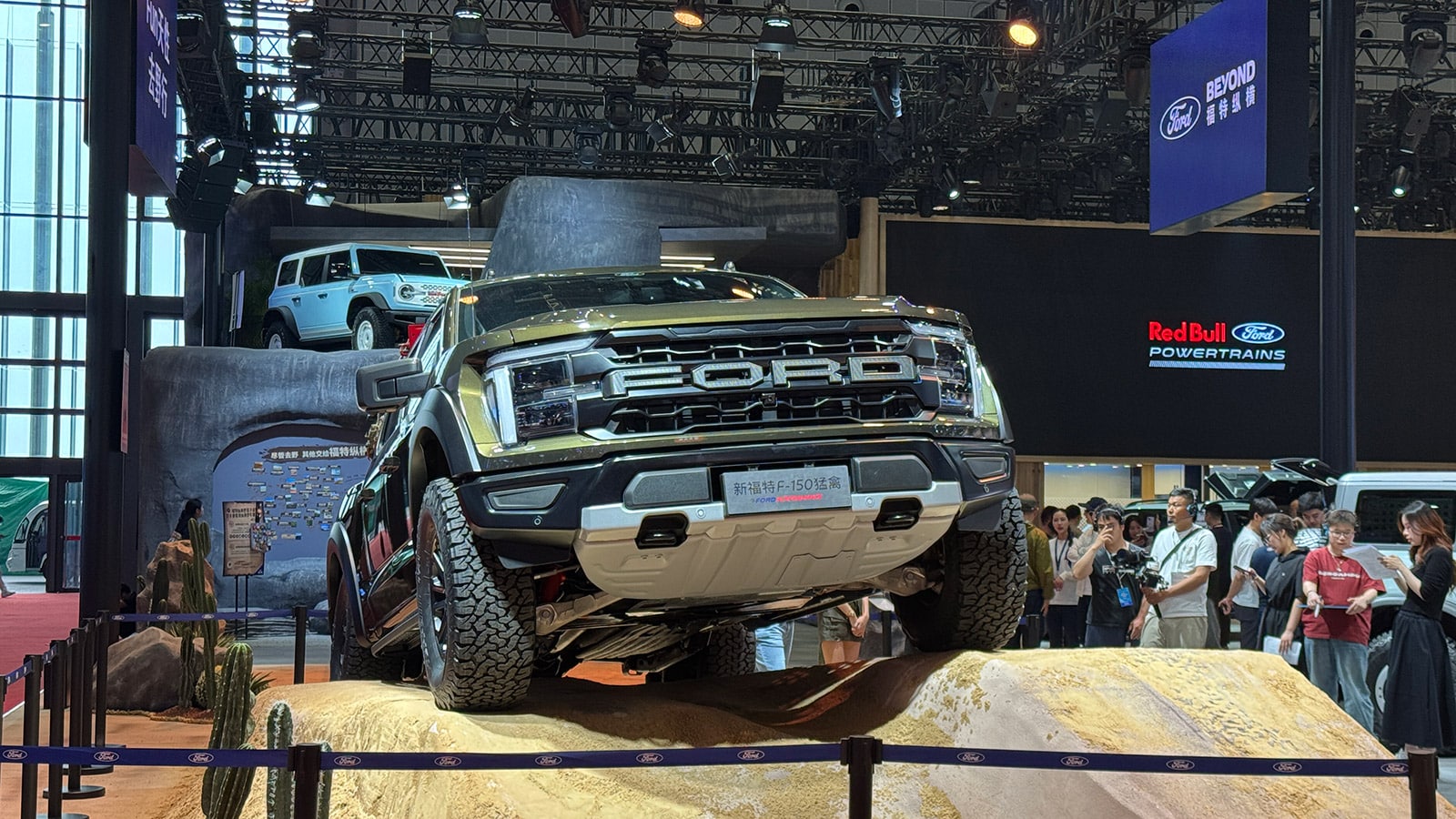
Ford CEO Jim Farley reportedly discussed a potential roadmap with senior Trump administration officials for Chinese automakers to produce vehicles in the US through partnerships with American car companies — a strategy employed when China's auto industry began decades ago.
The rough framework Farley discussed last month with Trump cabinet members would enable Chinese automakers to manufacture vehicles in the US through joint ventures with American manufacturers, with US companies holding controlling stakes, Bloomberg reported Saturday, citing people familiar with the matter.
The joint venture structure would ensure profit and technology sharing between the US and China, the sources said.
Farley discussed the idea with US Trade Representative Jamieson Greer, Transportation Secretary Sean Duffy and Environmental Protection Agency Administrator Lee Zeldin when they visited the Detroit Auto Show last month, the sources said.
The discussions came days after US president Donald Trump said he would be open to Chinese automakers building factories and hiring Americans in the US, the report said.
"Let China come in," Trump said during a January 13 speech at the Detroit Economic Club.
While Farley hasn't pushed the joint venture proposal, Trump administration officials had a cold reception to the idea, believing it would face opposition in Washington, Bloomberg cited the sources as saying.
Nevertheless, some administration officials believe that with Trump planning to visit China in April, such an investment agreement could potentially materialize, the report said.
Decades ago, when China's auto industry was in its infancy, foreign automakers entering the country was required to establish joint ventures with local manufacturers.
China has progressively opened its auto sector over recent years, during which domestic brands have rapidly risen.
Tesla's Shanghai factory began construction on January 7, 2019, and commenced operations by the end of 2019, marking China's first wholly foreign-owned auto manufacturing project.
Toyota announced on February 5, 2025, plans to build a wholly-owned EV plant in Shanghai to produce Lexus models.
Construction of this facility commenced in June 2025, with completion expected in August 2026 and production starting in 2027. Lexus will become the second foreign automaker after Tesla to operate a wholly-owned vehicle manufacturing plant in China.
Back to Ford, the Financial Times reported earlier this month that it was exploring a joint venture with Xiaomi to produce EVs in the US. However, this was subsequently denied.