- Tesla's Fremont factory will transition its Model S and Model X production lines to the Optimus production line.
- Tesla vehicles excluding the Model 3 and Model Y contributed only 2.78% to its delivery volume in the fourth quarter of 2025.
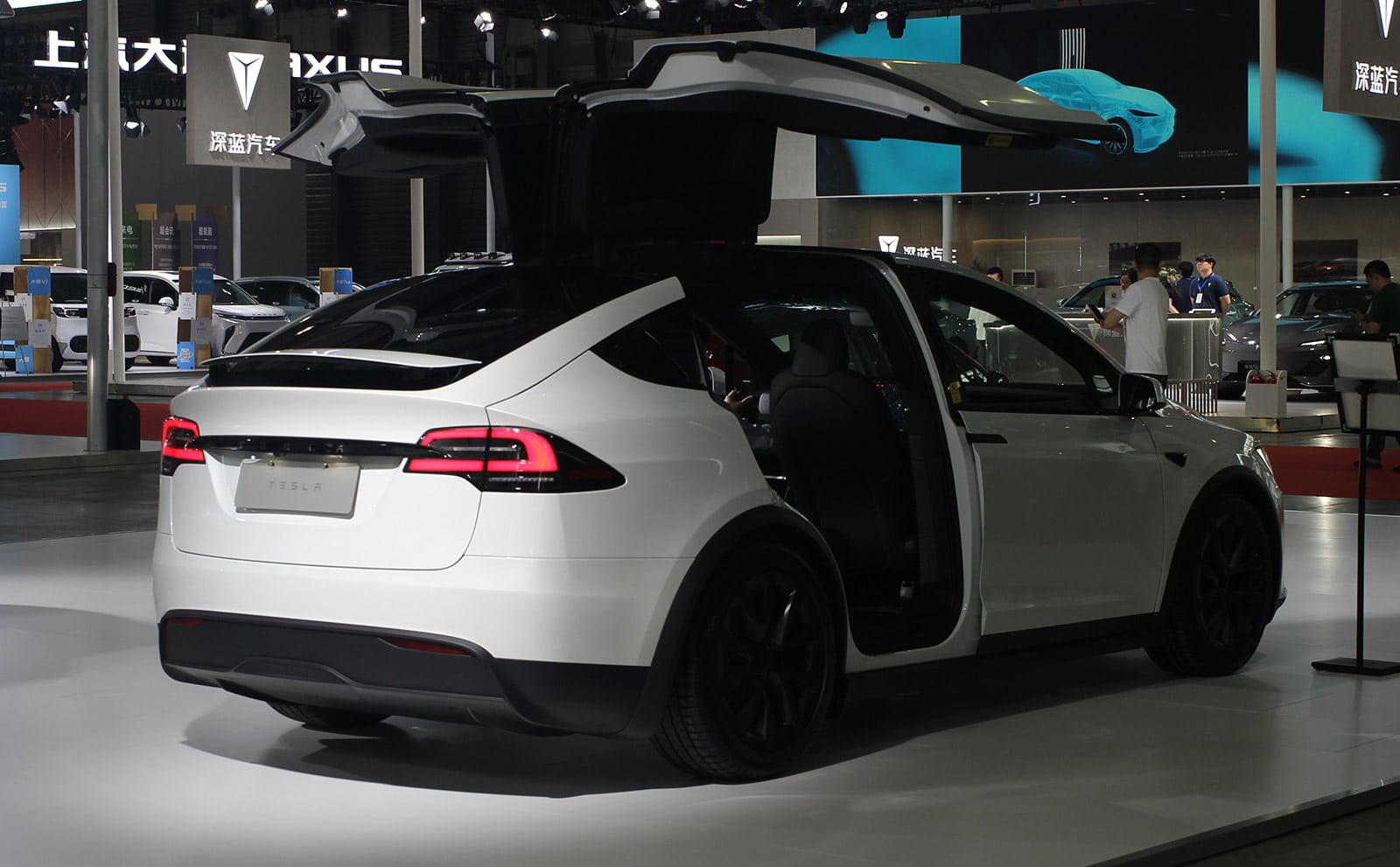
Tesla (NASDAQ: TSLA) will cease production of its low-selling flagship models, the Model S and Model X, as it pivots its focus toward robotics and AI (artificial intelligence).
The American electric vehicle (EV) maker's CEO Elon Musk confirmed during the fourth-quarter 2025 earnings call on Wednesday that Tesla will end production of the Model S sedan and Model X SUV (sport utility vehicle) to make room for manufacturing the Optimus robot.
"It is time to bring the Model S and Model X programs to an end with an honorable discharge. It is time to bring the S/X programs to an end. It's part of our overall shift to an autonomous future," Musk said.
Tesla's Model S and Model X production lines at its Fremont, California factory will transition to the Optimus production line, which will manufacture one million robots annually.
Tesla will continue providing after-sales service for Model S and Model X vehicles in the US, but will officially cease deliveries in the second quarter as inventory is depleted.
In China — Tesla's second-largest market— the company ceased accepting orders for Model S and Model X in April 2025.
In its quarterly sales data releases, Tesla categorizes Model S, Model X, and Cybertruck under "Other Models." Their contribution to total deliveries has steadily declined after the launch of the more affordable Model 3 sedan and Model Y SUV.
In early 2019, "Other Models" contributed about 20% to Tesla's global quarterly deliveries. However, this contribution fell to around 4% by the fourth quarter of 2022 and further declined to 2.78% in the fourth quarter of 2025.
| Quarter | Deliveries | % of Total |
|---|---|---|
| Q1 2019 | 12,100 | 19.21% |
| Q2 2019 | 17,650 | 18.54% |
| Q3 2019 | 17,400 | 17.94% |
| Q4 2019 | 19,450 | 17.37% |
| Q1 2020 | 12,200 | 13.80% |
| Q2 2020 | 10,600 | 11.69% |
| Q3 2020 | 15,200 | 10.91% |
| Q4 2020 | 18,920 | 10.48% |
| Q1 2021 | 2,020 | 1.09% |
| Q2 2021 | 1,890 | 0.94% |
| Q3 2021 | 9,275 | 3.84% |
| Q4 2021 | 11,750 | 3.81% |
| Q1 2022 | 14,724 | 4.75% |
| Q2 2022 | 16,162 | 6.35% |
| Q3 2022 | 18,672 | 5.43% |
| Q4 2022 | 17,147 | 4.23% |
| Q1 2023 | 10,695 | 2.53% |
| Q2 2023 | 19,225 | 4.12% |
| Q3 2023 | 15,985 | 3.67% |
| Q4 2023 | 22,969 | 4.74% |
| Q1 2024 | 17,027 | 4.40% |
| Q2 2024 | 21,551 | 4.85% |
| Q3 2024 | 22,915 | 4.95% |
| Q4 2024 | 23,640 | 4.77% |
| Q1 2025 | 12,881 | 3.83% |
| Q2 2025 | 10,394 | 2.71% |
| Q3 2025 | 15,933 | 3.21% |
| Q4 2025 | 11,642 | 2.78% |
The Model S, Tesla's first mass-produced vehicle, began deliveries in the US in 2012. The Model X commenced deliveries in September 2015.
Tesla unveiled the Cybertruck in November 2019 and commenced US deliveries on November 30, 2023.
Production of the Model S and Model X continued due to their high-end performance and flagship status, though they hold no strategic importance for Tesla's future objectives, as noted in a Teslarati report.
Musk said years ago that these models were only produced for "sentimental reasons," according to the report.
Discontinuing Model S and Model X production aims to make way for Optimus, which will likely become Tesla's most significant product in the coming years.
"Model S & X will live on through me," the Tesla Optimus account wrote on X following Tesla's earnings call.
Model S & X will live on through me pic.twitter.com/kNXx2eK1U2
— Tesla Optimus (@Tesla_Optimus) January 28, 2026