- The standard takes effect January 1, 2028, requiring AEB systems to be standard in light vehicles rather than optional as before.
- AEB systems continuously monitor the vehicle's forward driving environment in real time, helping prevent collisions or mitigate their severity.
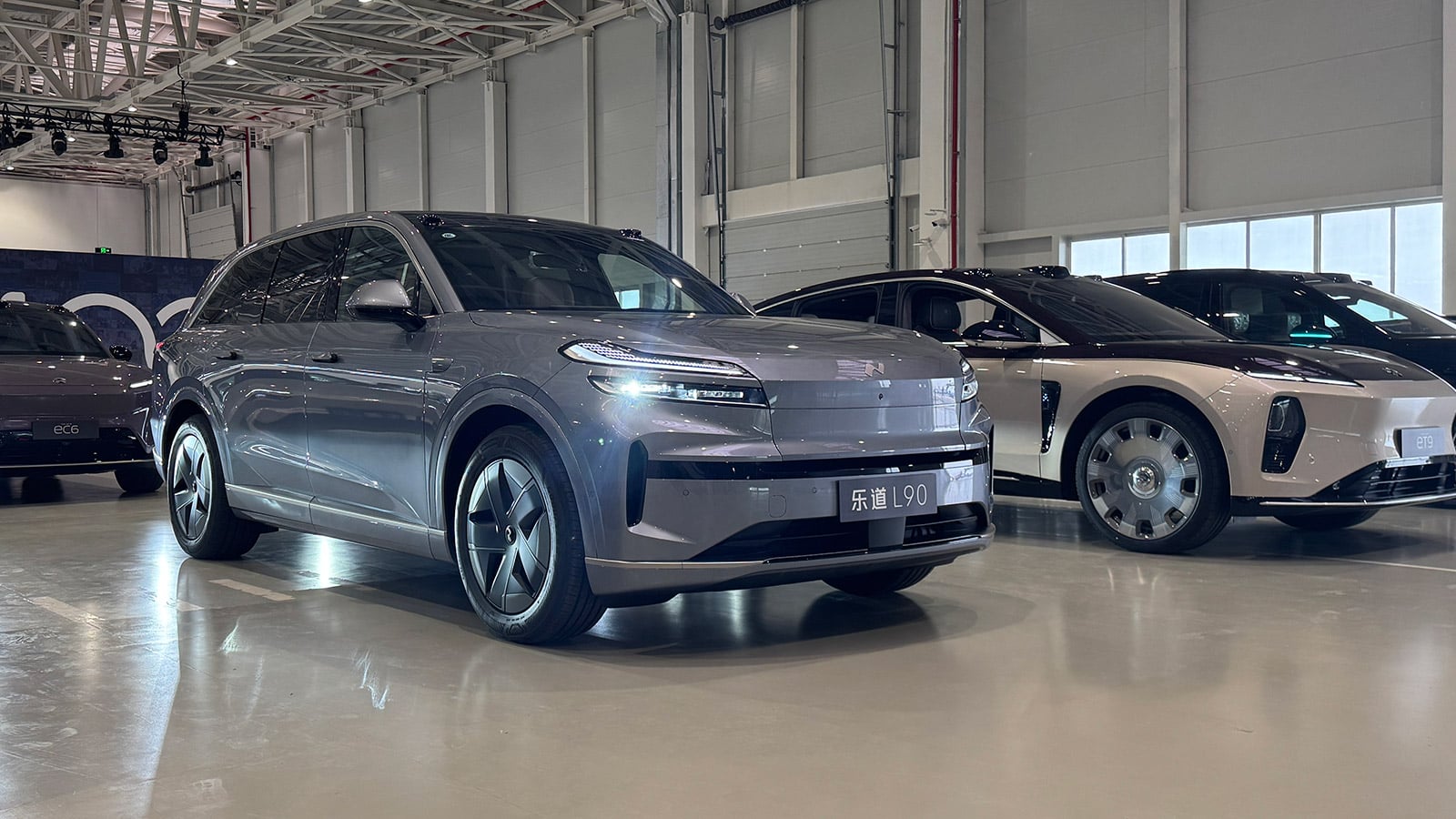
China has released its first mandatory national standard for automotive driver assistance systems, mandating that light-duty vehicles must be equipped with AEB (Automatic Emergency Braking) systems as standard equipment to enhance safety.
The standard — Technical requirements and testing methods for advanced emergency braking system of light-duty vehicles (GB 39901—2025) — takes effect on January 1, 2028.
The new standard revises a 2021 recommended standard and was approved for release on December 31, 2025, according to an announcement by China's Ministry of Industry and Information Technology (MIIT) on Wednesday.
It mandates that AEB systems become standard equipment for light-duty vehicles, rather than optional as previously permitted.
AEB systems continuously monitor the vehicle's forward driving environment, issuing warning signals when collision risks arise and automatically activating the vehicle's braking system to decelerate, thereby preventing collisions or mitigating their severity.
Over recent years, amid China's rapid automotive electrification transition, many automakers have already adopted AEB as standard equipment.
In 2025, 64% of new passenger vehicles sold in China featureed combined driver assistance functions, including AEB systems, according to data released earlier this month by the MIIT.
The new standard mandates that passenger vehicles — including sedans, SUVs (sport utility vehicles), and MPVs (multi-purpose vehicles) — must be capable of automatically activating AEB systems within the 10-80 km/h speed range.
The MIIT also noted that AEB systems have inherent technical limitations and should be used as emergency assistance systems, not as substitutes for drivers in ensuring driving safety.
The MIIT emphasized that drivers' proper use of AEB systems and accurate understanding of their limitations are particularly crucial.
Some automakers are attempting to enhance AEB capabilities through improved driver assistance systems.
Nio Inc (NYSE: NIO, HKG: 9866) introduced AI-optimized AEB functionality in a July 2024 software update.
Several other automakers have also optimized their AEB capabilities over the past few years, including enabling activation at speeds as high as 150 km/h.