- Cao Cao has begun pilot operations of its second-generation robotaxis.
- Cao Cao will unveil a custom robotaxi model pre-installed with proprietary autonomous driving suite this year.
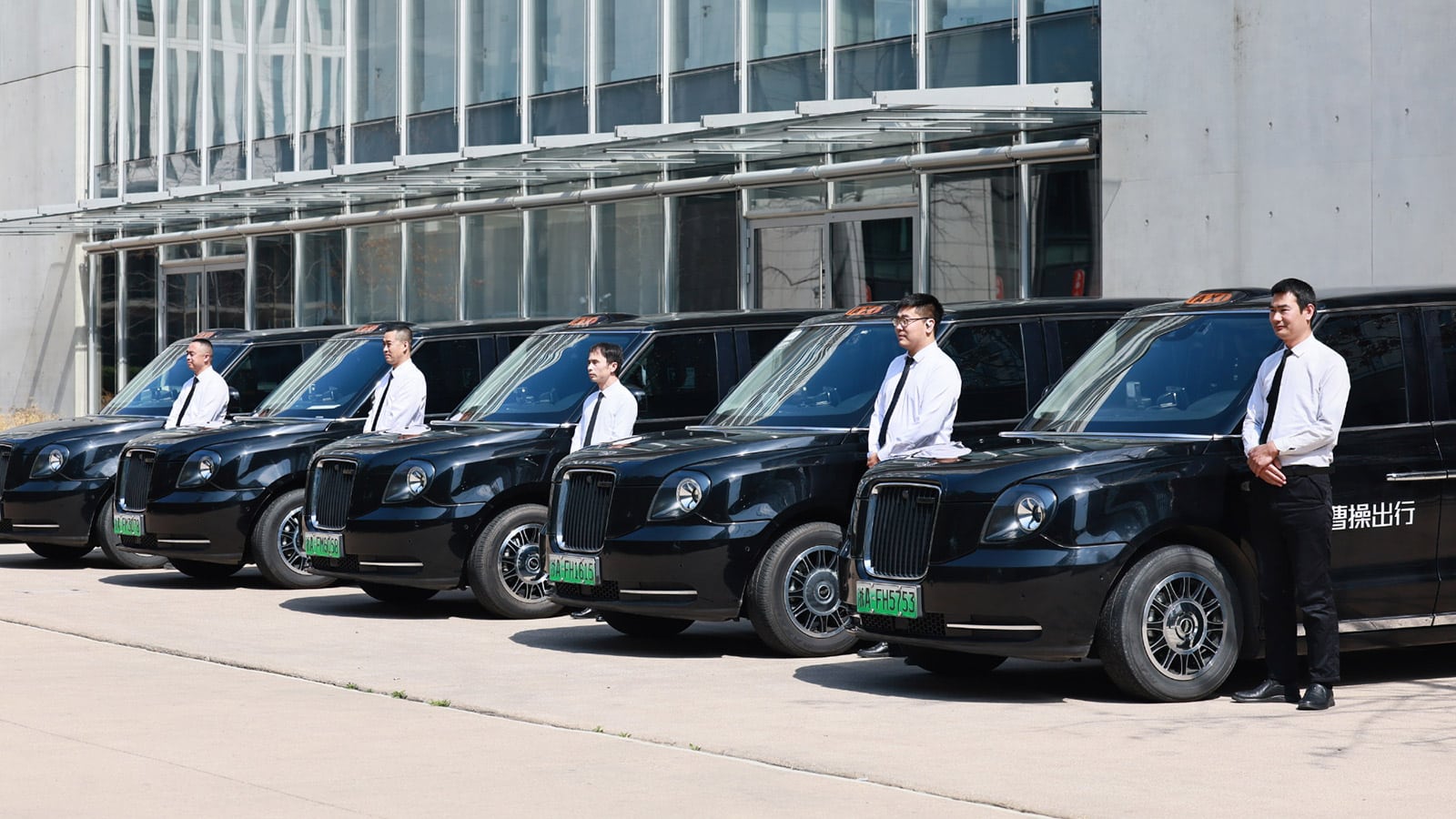
Geely Holding Group's ride-hailing unit Cao Cao Mobility aims to deploy 100,000 robotaxis by 2030 and achieve global commercial operations.
The company announced the goal during Geely Holding's five-year strategic blueprint event on Thursday, as startups and automakers intensify their investments in this sector.
Cao Cao serves as Geely Holding's primary vehicle for robotaxi commercialization, having accumulated extensive mobility data over a decade of development and established a nationwide service network across China, it said.
The company has commenced pilot operations of its second-generation robotaxis while enhancing automated fleet management capabilities for large-scale deployments, it added.
During the robotaxi 2.0 phase, Cao Cao will transition from deploying safety drivers to fully autonomous operations while exploring hybrid models combining human and driverless operations.
Cao Cao is collaborating with Geely and partners to develop a dedicated robotaxi model pre-installed with proprietary autonomous driving suites. The model will debut this year, with plans to deploy 100,000 units cumulatively by 2030, it said.
The company plans to expand into overseas markets, establishing a local office and operations center in Abu Dhabi this year.
China has startups including WeRide (NASDAQ: WRD) and Pony AI (NASDAQ: PONY) focused on the robotaxi sector. Tech giants like Baidu also operate the Apollo Go robotaxi service.
EV maker Xpeng (NYSE: XPEV, HKG: 9868) has been developing robotaxis over the past few years and announced earlier this month that it will soon commence public road testing of robotaxis equipped with VLA 2.0 software.
VLA stands for Vision-Language-Action. VLA 2.0 is a large-scale physical model enabling entry-level Level 4 capabilities, Xpeng said.