- The 2026 subsidy caps remain unchanged from 2025, though details have been adjusted.
- China has allocated RMB 62.5 billion ($8.9 billion) in special ultra-long-term government bonds to support consumer goods replacement programs.
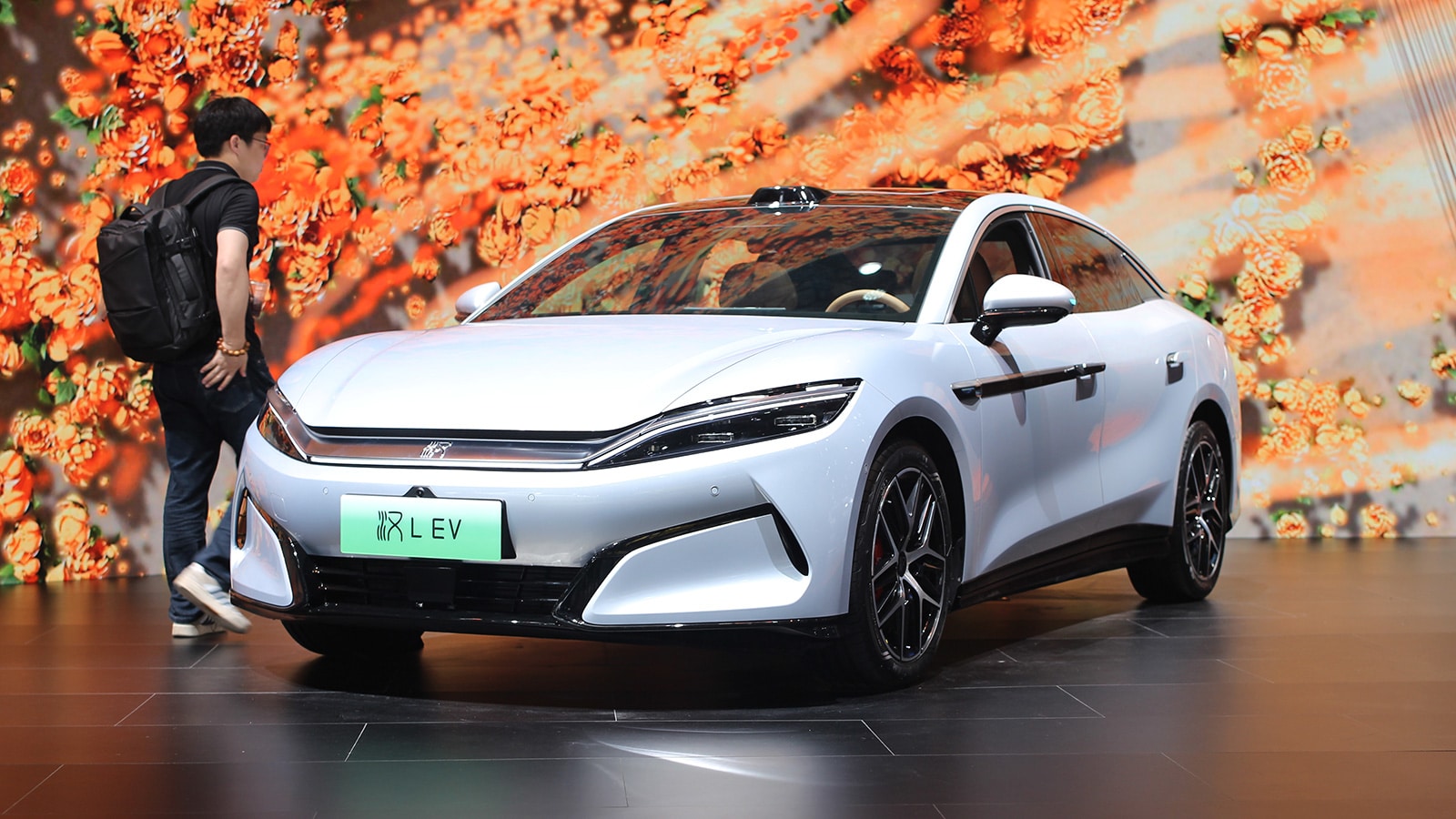
China will continue offering trade-in subsidies in 2026 to support auto consumption, with adjustments to the implementation details compared to 2025.
The National Development and Reform Commission and Ministry of Finance announced this decision in a joint notice today. While maintaining the subsidy caps, the fixed-amount subsidies will be replaced with percentage-based subsidies relative to the vehicle price.
Individual consumers scrapping their passenger vehicles and purchasing new energy passenger vehicles or gasoline passenger vehicles with 2.0-liter or smaller displacement will qualify for subsidies.
For new energy passenger vehicles, the scrapping subsidy amounts to 12 percent of the purchase price, capped at RMB 20,000 ($2,860). For gasoline passenger vehicles with 2.0-liter or smaller engines, the subsidy is 10 percent of the purchase price, capped at RMB 15,000.
Individual consumers who transfer a passenger vehicle registered under their name and purchase a new energy passenger vehicle or a gasoline-powered passenger vehicle with an engine displacement of 2.0 liters or less are eligible for a trade-in subsidy.
For new energy passenger vehicles, the trade-in subsidy is 8 percent of the vehicle price, capped at RMB 15,000; For the purchase of a gasoline-powered passenger vehicle with an engine displacement of 2.0 liters or less, the subsidy is 6 percent of the vehicle price, capped at RMB 13,000.
This is part of China's comprehensive consumer support initiative. The country has allocated RMB 62.5 billion ($8.9 billion) in special funds from ultra-long-term government bonds in advance to support the 2026 consumer goods replacement program, according to a report by state broadcaster CCTV.
Supported sectors include automobiles, home appliances, and digital products.
China continued its vehicle trade-in subsidies this year, serving as a key driver supporting auto consumption.
Starting in September, some local governments suspended these subsidies as fiscal funds were exhausted.
By mid-November, most cities had halted the subsidies, beginning to impact China's auto sales.
Earlier this month, the China Passenger Car Association (CPCA) said in a report that adjustments to trade-in subsidies in most provinces have heightened consumer wait-and-see sentiment, delivering a significant blow to the November auto market.
On November 25, Nio Inc (NYSE: NIO, HKG: 9866) management said during an earnings call that the suspension of trade-in subsidies has impacted the company's sales, particularly for its mass-market sub-brand Onvo.
($1 = RMB 6.9898)