- Battery makers are expected to cut production and take holidays in early 2026 to respond to demand fluctuations, the CPCA head said.
- China's passenger NEV sales in early 2026 are projected to decline by at least 30 percent compared to the fourth quarter of 2025, Cui said.
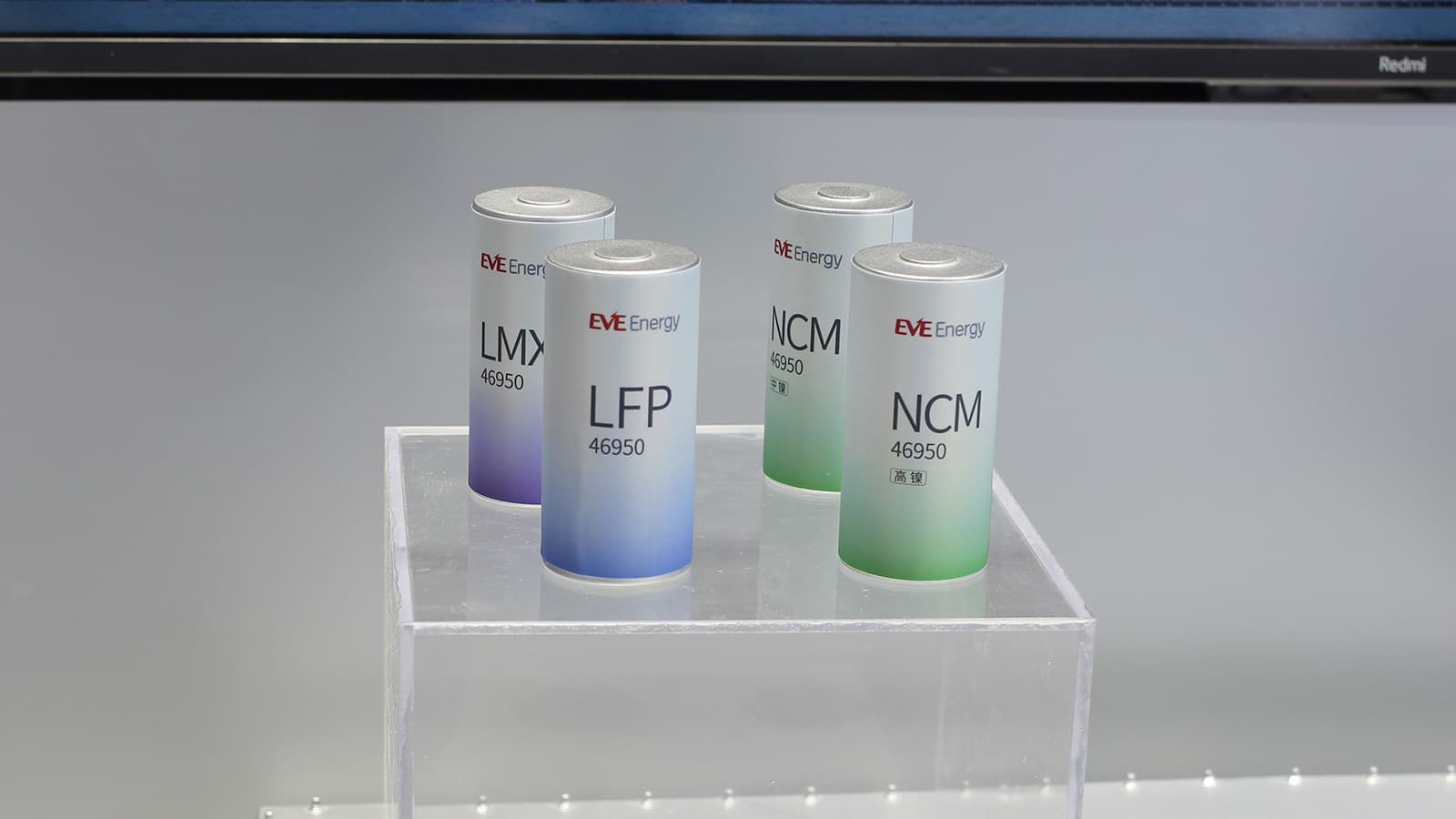
The head of the China Passenger Car Association (CPCA) forecasts a significant decline in China's lithium battery demand in early 2026 as new energy vehicle (NEV) sales decrease.
China's domestic lithium battery demand in early 2026 is expected to drop significantly compared to the fourth quarter of 2025, Cui Dongshu, secretary-general of the CPCA, said in an article published yesterday on his personal WeChat account.
Battery manufacturers are expected to reduce production or take holidays in response to demand fluctuations, he said.
The primary reason lies in the impact of China's vehicle purchase tax policy changes, which are expected to cause Chinese passenger NEV sales to drop by at least 30 percent in early 2026 compared to the fourth quarter of 2025, Cui said.
At the same time, commercial NEVs accelerated deliveries before year-end to capitalize on year-end subsidies and more favorable tax policies, leading to a sharp sequential decline in sales by early next year, he added.
Cui believes China's NEV exports will maintain relatively strong momentum in early 2026, but this will provide limited support for battery demand.
He also noted that demand for energy storage systems from the US has had little noticeable boost on China's battery exports, as battery shipments to the US plummeted in 2025.
In November, China's sales of power batteries for passenger vehicles reached 57.1 GWh, marking a 13 percent year-on-year increase. This growth rate was lower than the 46 percent recorded in the same period last year and also below the 34 percent growth seen in November 2023, according to data from the CPCA.
From January to November, China's sales of power batteries for passenger vehicles totaled 478.7 GWh, representing a 23 percent year-on-year increase. This growth rate was lower than the 37 percent recorded during the same period in 2024.
Multiple local governments in China have suspended NEV trade-in subsidies over the past few months, resulting in weaker-than-usual year-end NEV sales growth.
Additionally, China's current NEV purchase tax exemption policy will shift next year to a 5 percent levy -- half the standard 10 percent rate -- which is expected to further impact sales at the beginning of the year.