- Deegares becomes the first Chinese battery maker to publicly announce a price increase, signaling that higher raw material costs are being passed on to battery production.
- Over the past few months, several key battery raw materials have experienced significant price increases.
Chinese battery startup Suzhou Deegares Energy Technology has raised its product prices, signaling that higher raw material costs are being passed on to battery production.
Effective December 16, Deegares' battery products see a 15 percent increase over the original catalog prices, while existing orders remain unaffected.
This adjustment comes as lithium battery raw material prices have surged significantly, driving up production costs, Deegares said in an announcement last week.
Deegares detailed price increases for key materials:
- Lithium hexafluorophosphate surged from RMB 55,000 ($7,810) per ton to RMB 120,000 per ton within two months -- a 118 percent increase;
- Lithium cobalt oxide soared from RMB 140,000 per ton at the start of the year to RMB 350,000 per ton in November -- a 150 percent jump;
- Battery-grade lithium carbonate has now surpassed RMB 94,000 per ton, with a monthly increase exceeding 16 percent in November;
- Several leading manufacturers have announced a RMB 3,000 per ton increase in processing fees for lithium iron phosphate cathodes starting in 2026.
Deegares said that the latest price adjustments address short-term raw material cost fluctuations, with the company planning to dynamically optimize its pricing system based on market supply-demand dynamics and cost changes.
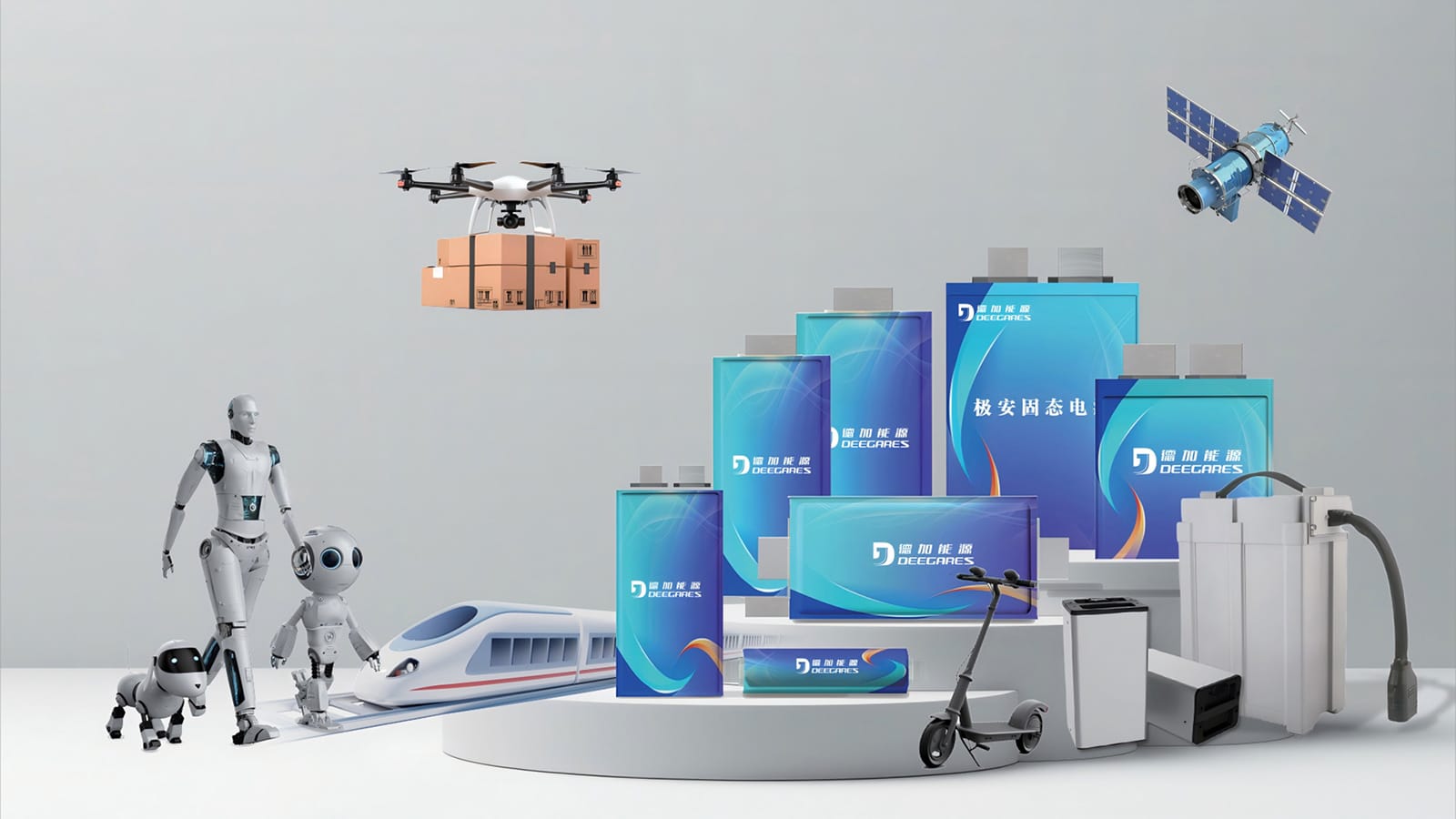
Founded in 2022, Deegares specializes in R&D and production of high-performance solid-state batteries and their core materials. Its products span power batteries, consumer batteries, energy storage batteries, and applications in robotics and low-altitude aircraft.
The company's solid-state battery products entered mass production earlier this year.
Similarly, Farasis Energy, one of China's major power battery manufacturers, said last week in response to investor inquiries that it was discussing price increases with customers, with some products already seeing price hikes.
Farasis noted that rising prices for certain raw materials, coupled with sustained market demand growth, make lithium battery price increases an industry trend.
Higher battery costs may intensify pressure on electric vehicle (EV) makers, who already face challenges as demand slows amid phased-out policy support.
With the withdrawal of vehicle purchase trade-in policies, China's new energy vehicle (NEV) retail sales in November grew only 4.2 percent year-on-year, a weaker performance compared to the robust year-end growth seen in previous years.

($1 = RMB 7.0422)