- CATL's marine business already covers inland rivers, lakes, and coastal waters, and is now advancing toward ocean voyage applications.
- CATL entered the marine electrification sector in 2017 and has supplied batteries for nearly 900 vessels.
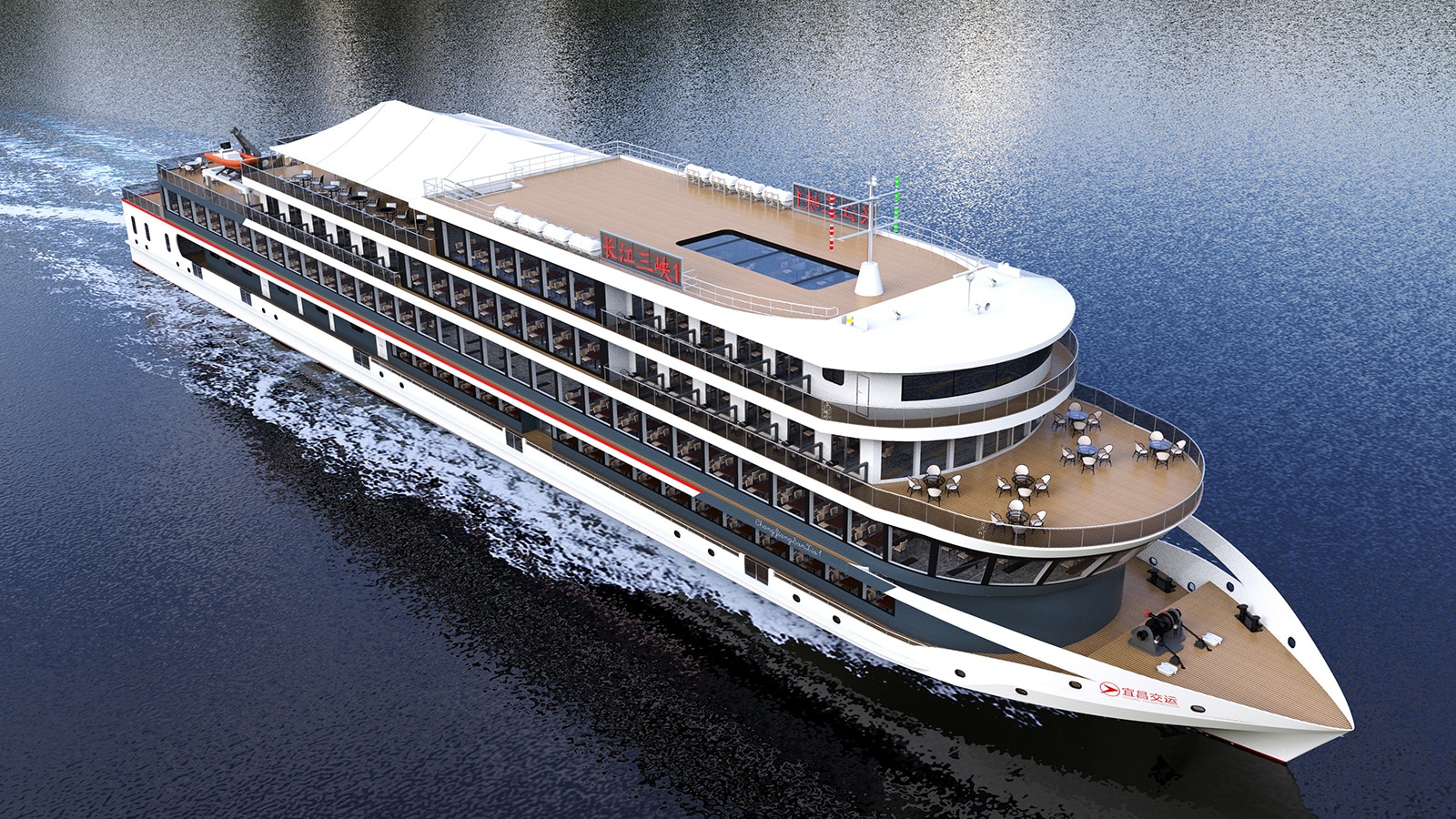
Beyond land vehicles and aerial aircraft, CATL (HKG: 3750, SHE: 300750) also aims for its battery products to be widely adopted in marine vessels.
CATL's marine business already covers inland rivers, lakes, and coastal waters, and is now advancing toward ocean-going applications, said Su Yiyi, head of the battery giant's marine division, today.
"In the near future -- perhaps within the next three years -- we will achieve pure-electric vessels navigating the open seas," Su said during a media briefing on electric marine solutions held in Shanghai.
CATL entered the marine electrification sector in 2017 and established a dedicated subsidiary in November 2022 to provide power solutions for waterborne transportation systems.
To date, it has supplied batteries for nearly 900 vessels, holding about 40 percent of the global market share in this field, according to the company.
Late last month, Autoflight -- a Chinese eVTOL (Electric Vertical Takeoff and Landing) startup backed by CATL -- unveiled a waterborne vertiport, which was jointly developed with CATL and features battery-powered vessels.
Designed specifically for eVTOL operations, the vertiport employs all-electric power to support eVTOL takeoffs, landings, and charging while enabling data sharing and coordination with aircraft.
On July 25, China's first pure-electric tourist vessel, the "Yujian 77," co-developed with CATL, commenced operations.
Equipped with CATL's marine battery system, the vessel's launch validated the feasibility of pure-electric technology in coastal navigation while delivering zero-emission, low-noise, high-quality maritime tourism experiences, the company said at the time.
CATL is the world's largest manufacturer of power batteries, primarily used in electric vehicles (EVs).
Its EV battery installations from January to October reached 355.2 GWh, maintaining its global leadership with a 38.1 percent market share, according to data released by South Korean market research firm SNE Research on December 2.