- Changan has taken over Beijing Hyundai's Chongqing plant, which has now been converted into Deepal production lines.
- Changan's 2025 sales target is three million units, and its production capacity is already tight.
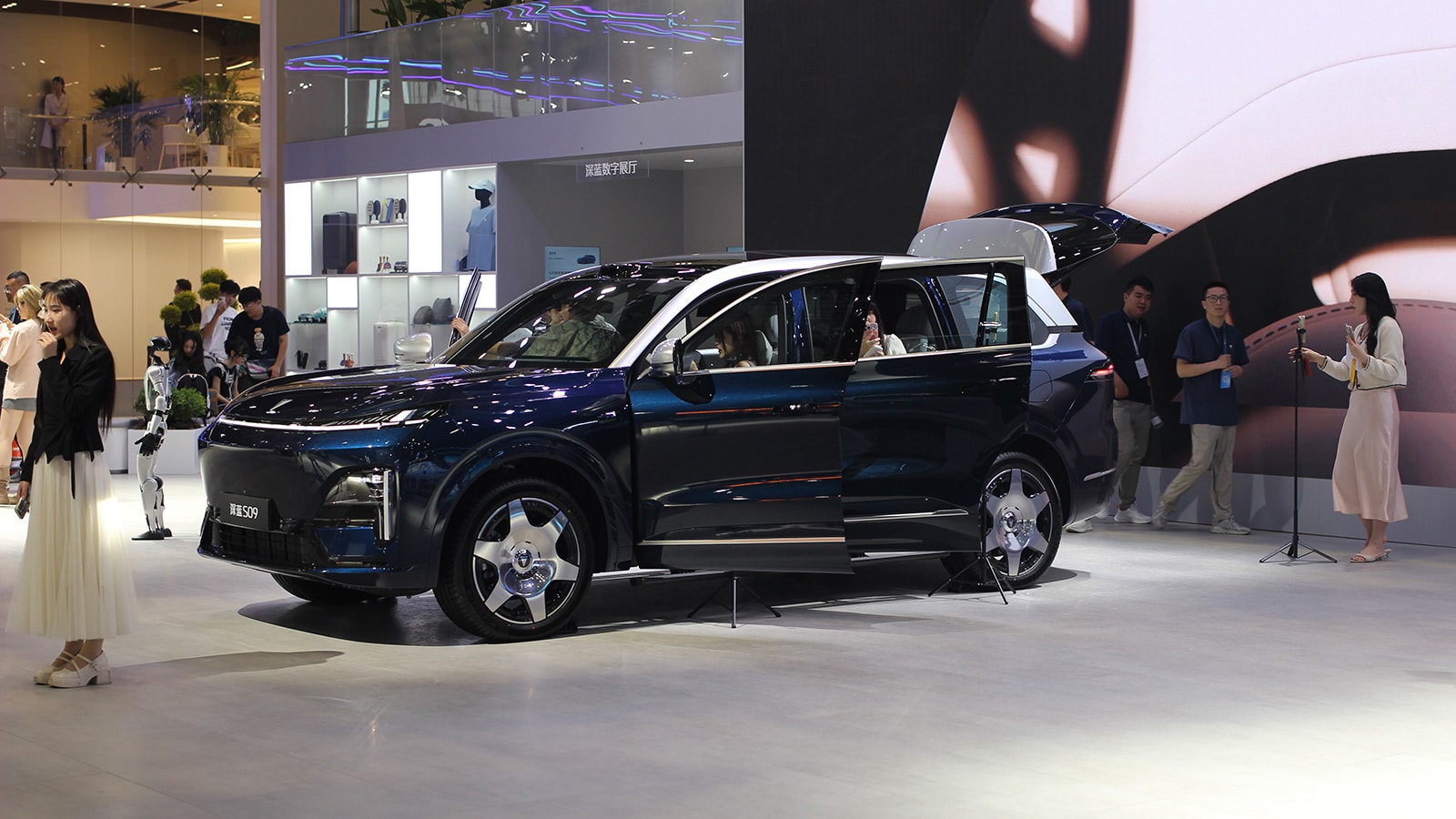
Deepal, the new energy vehicle (NEV) unit of Changan Automobile (SHE: 000625), has acquired a Hyundai plant in China, marking the latest instance of capacity realignment in the Chinese automotive industry.
Changan has taken over the Chongqing plant of Beijing Hyundai, Hyundai's joint venture in China, which has now been converted into Deepal production lines, according to a report yesterday by local media The Economic Observer.
Deepal confirmed the information, saying the plant changed its logo in late October but is not yet operational, the report said.
The Chongqing facility -- Beijing Hyundai's fifth plant -- began construction in 2015 and commenced operations in August 2017.
Spanning 1.87 million square meters with a total investment of RMB 7.7 billion ($1.1 billion), it had an annual capacity of 300,000 vehicles but halted production in December 2021.
By the end of 2023, the facility was sold to a state-owned enterprise in Chongqing for RMB 1.62 billion.
Changan's 2024 production capacity stood at 2.25 million vehicles, with an 84 percent capacity utilization rate.
The Economic Observer noted that Changan's 2025 sales target of three million units would strain its existing capacity.
This is one of the latest factories sold by Hyundai in China. Beijing Hyundai's No. 1 plant in Beijing, which halted production starting April 2019, was acquired by Li Auto (NASDAQ: LI, HKG: 2015) in 2021 and became the EV maker's Beijing manufacturing base.
This also represents the latest instance of idle capacity from joint-venture automakers in China being taken over by domestic brands.
Earlier this month, LatePost reported that Geely Auto (HKG: 0175, OTCMKTS: GELYF) sub-brand Geely Galaxy would take over a former SAIC-GM plant in Shenyang, Liaoning, northeast China, which had ceased production.
Four or five years ago, some domestic Chinese automakers exited the market, leaving idle capacity that was subsequently acquired by leading local automakers and EV startups. Today, the main players with idle capacity have shifted to joint-venture automakers, The Economic Observer noted.

($1 = RMB 7.1064)