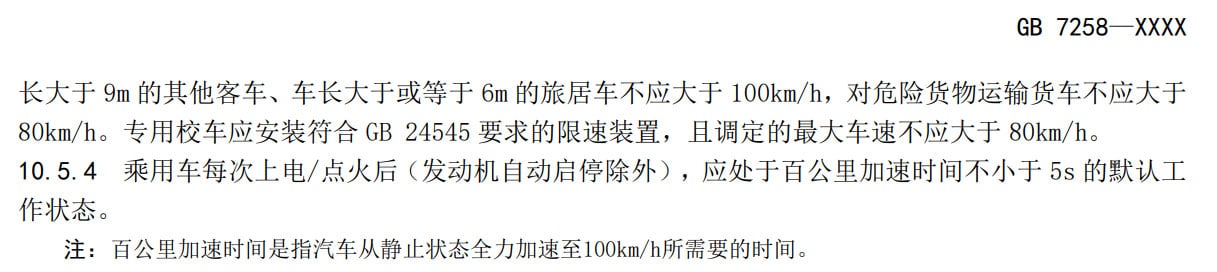
- China plans to require passenger vehicles to default to a state where acceleration from 0 to 100 km/h takes less than five seconds upon each startup.
- This aims to require drivers to consciously engage in specific actions when using high-acceleration modes, thereby enhancing their driving preparedness.
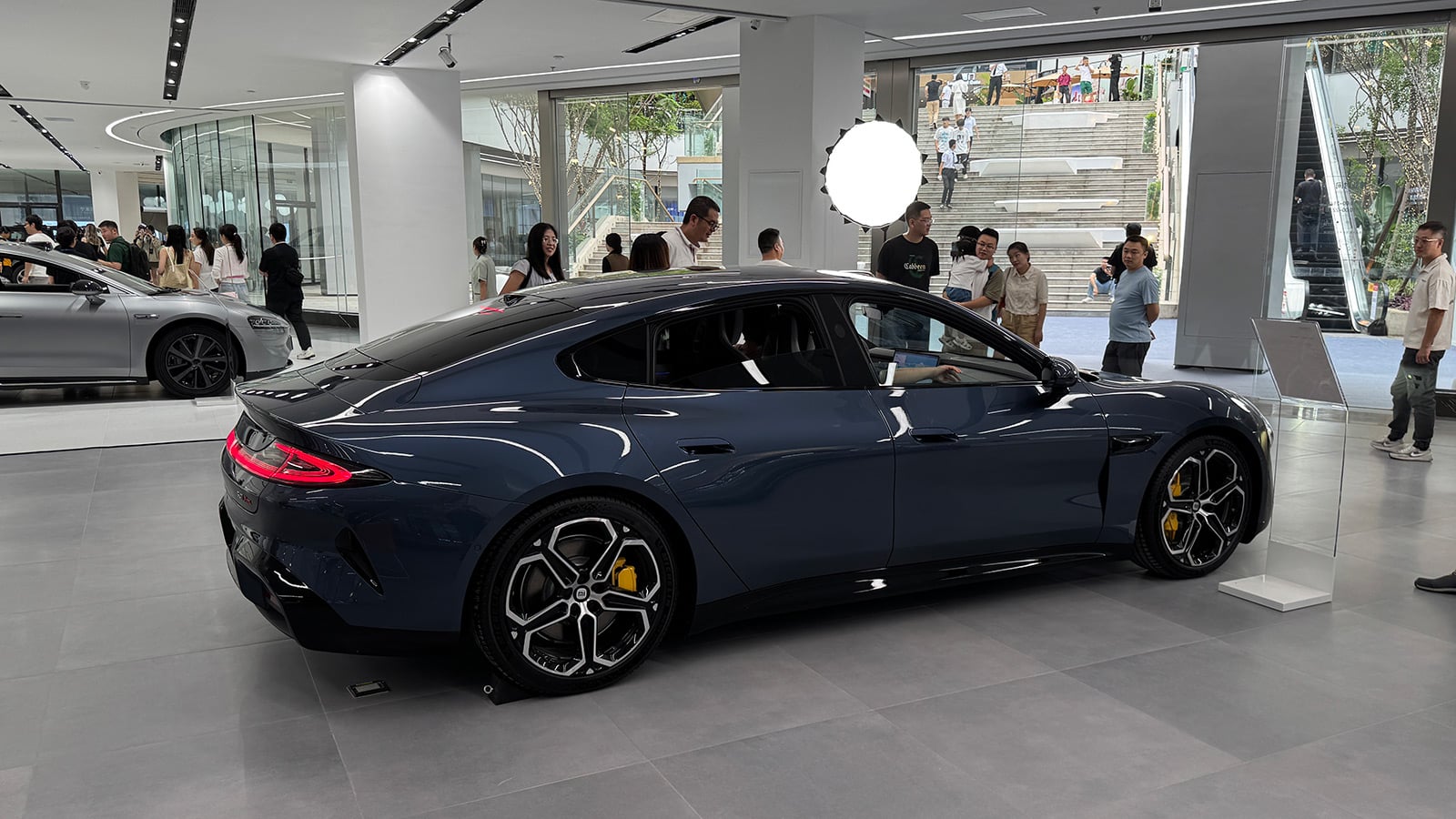
China is considering restricting the default acceleration performance of passenger vehicles immediately after startup to reduce accidents caused by unintended operations, amid the rapid rise of high-performance electric vehicles (EVs) in recent years.
The country plans to mandate that passenger vehicles default to a state where acceleration from 0 to 100 kilometers per hour takes less than 5 seconds upon each startup.
This requirement appears in the draft national standard "Technical Specifications for Safety of Power-Driven Vehicles Operating on Roads," released by China's Ministry of Public Security on November 10.
Public feedback is accepted until January 10, 2026. If approved, it will become a mandatory national standard.
Compared to previous standards, restrictions on default acceleration performance represent a new addition. It mandates that passenger vehicles limit their performance ceiling by default after each power-on or ignition cycle, excluding engine auto-start/stop systems.
In recent years, incidents of uncontrolled acceleration during startup have frequently occurred in pure electric vehicles and plug-in hybrid electric vehicles, largely due to drivers' insufficient preparation and control capabilities when using high acceleration modes, according to an explanatory note accompanying the draft.
Requiring vehicles to operate in a default state with lower acceleration performance immediately after startup aims to prompt drivers to consciously perform certain actions when using high acceleration modes, thereby enhancing driving preparedness, the note elaborates.
Currently, driving school vehicles and most gasoline-powered passenger cars typically achieve 0-100 km/h acceleration in over 5 seconds. Both new and experienced drivers are more accustomed to this acceleration level, which makes accidental operation less likely, according to the explanation.
With China's rapid EV industry growth over recent years, high-performance EVs capable of accelerating from 0 to 100 km/h in under 5 seconds have become commonplace on roads.
Some domestic brands have even developed EVs achieving 0-100 km/h acceleration in under 2 seconds, sold at prices far below traditional supercars.
In the meantime, incidents of vehicle loss of control have become more frequent, and rapid dissemination on social media has drawn widespread attention to these accidents.