- Pony AI said the autonomous driving suite for its seventh-generation robotaxi costs 70 percent less than the previous generation.
- Currently, Pony AI operates a fleet of over 720 robotaxis, with a goal to expand to 1,000 vehicles by the end of this year.
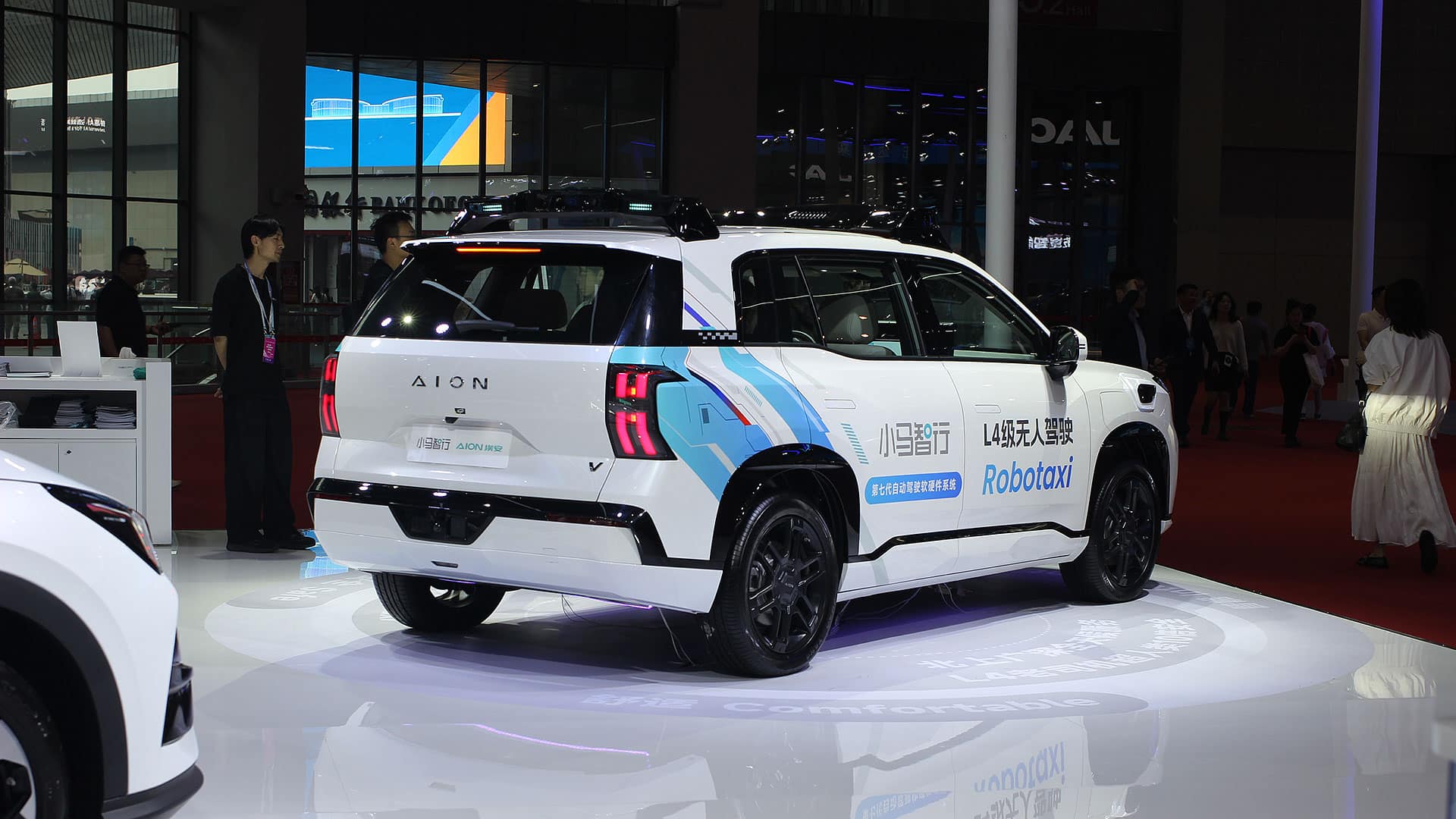
Chinese autonomous driving startup Pony AI (NASDAQ: PONY) announced today that its seventh-generation robotaxi has officially entered operation, featuring substantially reduced costs compared to its predecessor.
Starting in November, Pony AI's seventh-generation robotaxis -- based on the Arcfox Alpha T5 SUV and the GAC Aion's second-generation Aion V -- will begin operations in cities including Guangzhou and Shenzhen.
The new-generation robotaxi utilizes 100 percent automotive-grade components, boasts a design lifespan of 600,000 kilometers, and features an autonomous driving suite with a total cost reduced by 70 percent compared to the previous generation, the company said.
It is the world's first robotaxi model achieving Level 4 full-scenario autonomous driving based on automotive-grade SoC chips, the company claimed.
Pony AI unveiled its seventh-generation robotaxi in April and commenced road testing in June.
The robotaxi is equipped with 34 sensors, including nine LiDARs, 14 cameras, and four millimeter-wave radars.
The seventh-generation robotaxi has undergone over 3.5 million kilometers of autonomous public road testing, according to the company.
Currently, Pony AI operates a fleet of over 720 robotaxis, with a goal to expand to 1,000 vehicles by year-end.
As a major player in China's robotaxi sector, Pony AI expanded its testing in late July to include 24/7 operations in Beijing, Guangzhou, and Shenzhen -- extending beyond the previous 7 am to 11 pm schedule.
The company also operates autonomous driving services in Luxembourg, South Korea, Saudi Arabia, the United Arab Emirates, and Singapore.