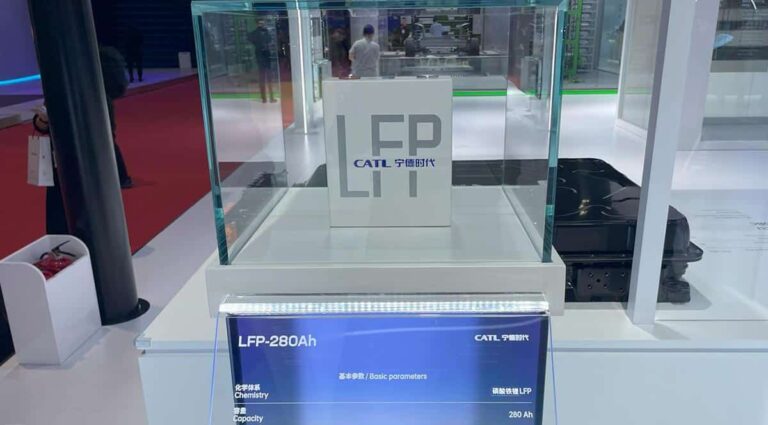
- GM plans to import batteries from CATL to power its second-generation Chevrolet Bolt EV, despite high tariffs.
- This arrangement is only a temporary solution, as the company is working to develop its own low-cost batteries using LFP chemistry.
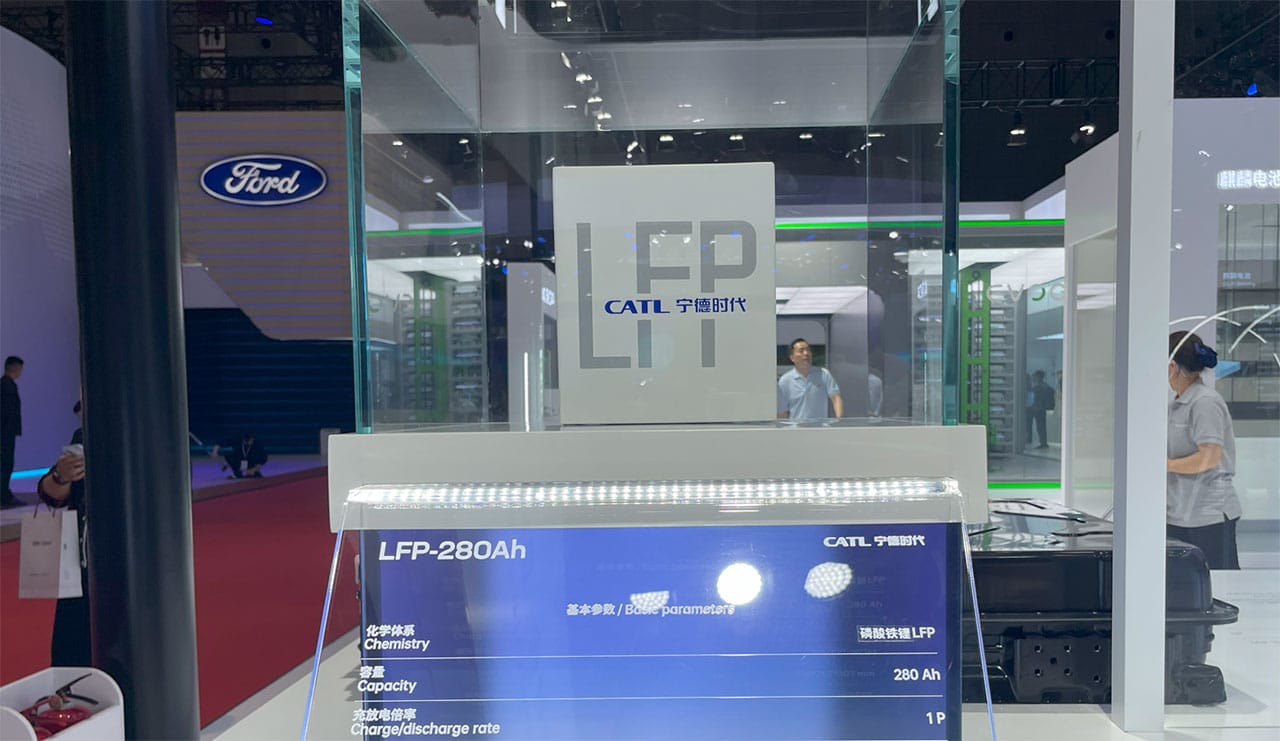
General Motors will import power batteries from China for one of its affordable electric vehicles (EVs) as a temporary measure, despite facing high tariffs.
The US auto giant plans to import batteries from CATL (SHE: 300750) to power its second-generation Chevrolet Bolt EV, the Wall Street Journal reported overnight, citing people familiar with the matter.
The purchase is for about two years, until General Motors and its South Korean partner LG Energy Solution can produce low-cost batteries domestically in the US, according to the report.
The new Bolt will roll off the assembly line at General Motors' plant in Fairfax, Kansas, later this year and will arrive at dealerships in 2026 as the automaker's most affordable EV, the report noted.
General Motors said the arrangement is only a temporary measure as it works to produce low-cost batteries using lithium iron phosphate (LFP) chemistry on its own.
"For several years, other US automakers have depended on foreign suppliers for LFP battery sourcing and licensing," a spokesman said. "To stay competitive, GM will temporarily source these packs from similar suppliers to power our most affordable EV model."
GM currently sells 12 EV models -- ranging from the $35,000 Chevrolet Equinox EV to the $130,000 Cadillac Escalade IQ -- all equipped with batteries made in the US, the automaker said.
Currently, the most commonly used EV batteries are LFP batteries and ternary lithium batteries, with the former known for their lower cost, though they typically have lower energy density.
CATL and BYD (HKG: 1211, OTCMKTS: BYDDY) dominate the global LFP battery market, while Japanese and South Korean battery manufacturers primarily focus on ternary lithium batteries.
Due to Trump's trade war, General Motors will have to bear high tariffs.
Currently, the total tariff on Chinese EV batteries imported into the US is about 80 percent, including tariffs imposed by Trump on foreign automotive parts, according to Nunzio De Filippis, co-chief executive of CargoTrans, a logistics management firm, as cited by the Wall Street Journal.
Meanwhile, the US will eliminate the $7,500 federal tax credit next month, making General Motors' strategy more acceptable.
If this tax credit policy continues, General Motors' Bolt model will not be eligible for the credit due to its use of Chinese batteries. Now, the Bolt model will no longer face a $7,500 tariff disadvantage compared to other EV models.
CATL is the world's largest power battery manufacturer, with a shipment volume of 190.9 GWh in the first half of this year, continuing to rank first in the world with a 37.9 percent share, according to data from South Korean market research firm SNE Research.