- The Onvo L90 starts at RMB 265,800 ($36,940) including the battery pack, with aggressive pricing clearly indicating Nio's high hopes for the model.
- Deliveries of the six-seat L90 will begin on August 1, while the seven-seat version will start deliveries in late September.
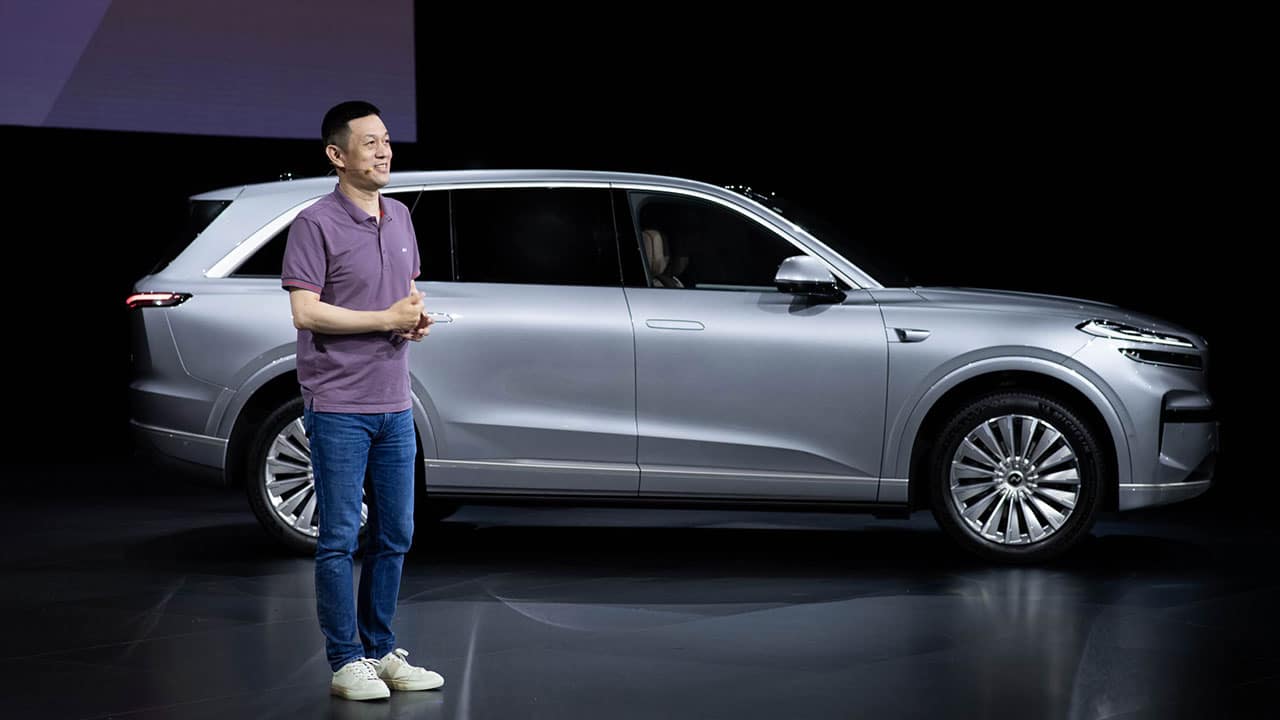
Onvo has officially launched the L90 flagship SUV (sport utility vehicle), with its aggressive pricing positioning the model as a potential game-changer for Nio Inc (NYSE: NIO).
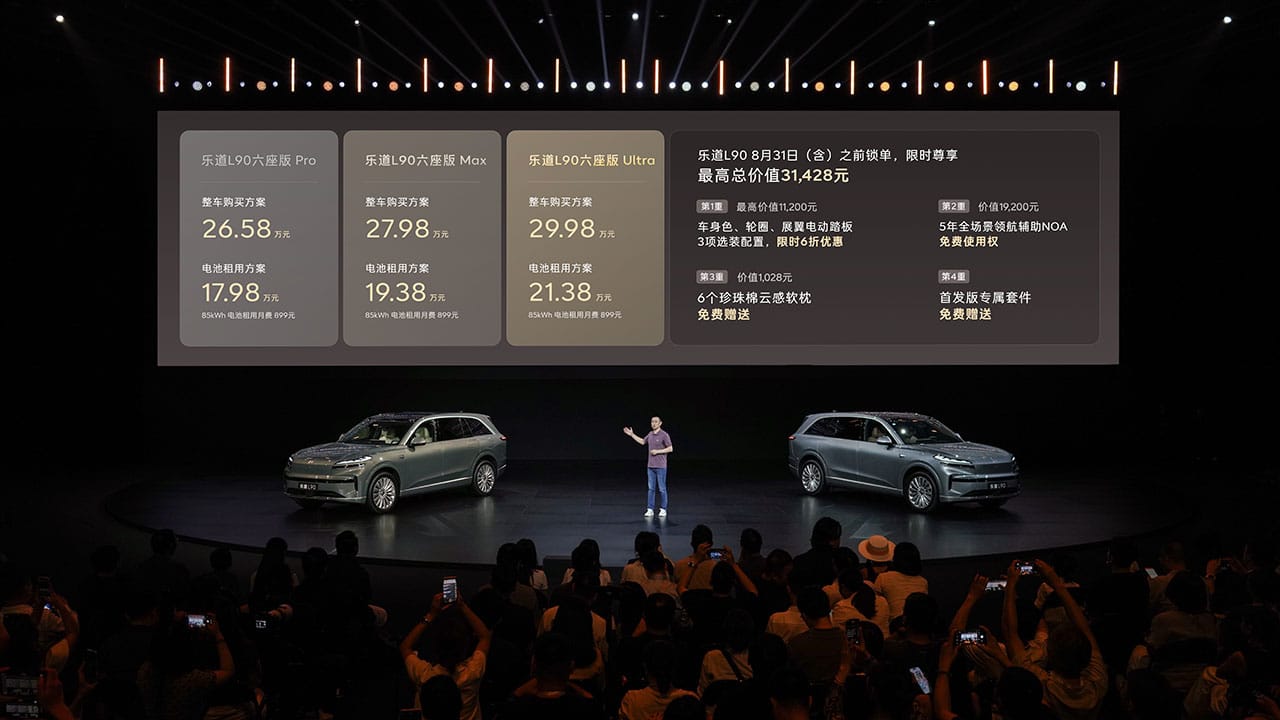
The Nio sub-brand targeting the family car market officially rolled out the L90 at an event held today in Hangzhou, Zhejiang province, with a starting price of RMB 265,800 ($36,940) including an 85-kWh battery pack.
This represents a further reduction of RMB 14,100, or 5.04 percent, from the model's previously competitive pre-sales starting price of RMB 279,900.
Under the BaaS (battery as a service) battery rental scheme, the starting price for the Onvo L90 is RMB 179,800 yuan, with a monthly battery rental fee of RMB 899 yuan.
The aggressive pricing clearly reflects Nio's high hopes for the model, especially for achieving its profitability target.
The company has emphasized several times this year that its goal is to achieve its first quarterly profit in the fourth quarter of this year.
All of Nio's efforts are currently focused on laying the groundwork for this goal to prove the viability of its business model, and the L90, as a new model with the potential to generate significant sales, is key to this.
Even with such aggressive pricing, Nio's management believes that the L90 will still generate gross profit.
The pricing for the L90 is appropriate because Nio has established cost targets in collaboration with its partners, the company said on July 11 in Hefei, Anhui province, the day after its pre-sales event, to media including CnEVPost.
Six-seat and seven-seat options
Onvo did not achieve the expected results with its first model, the L60 mid-size SUV, and the lessons learned have been applied to better sell the L90.
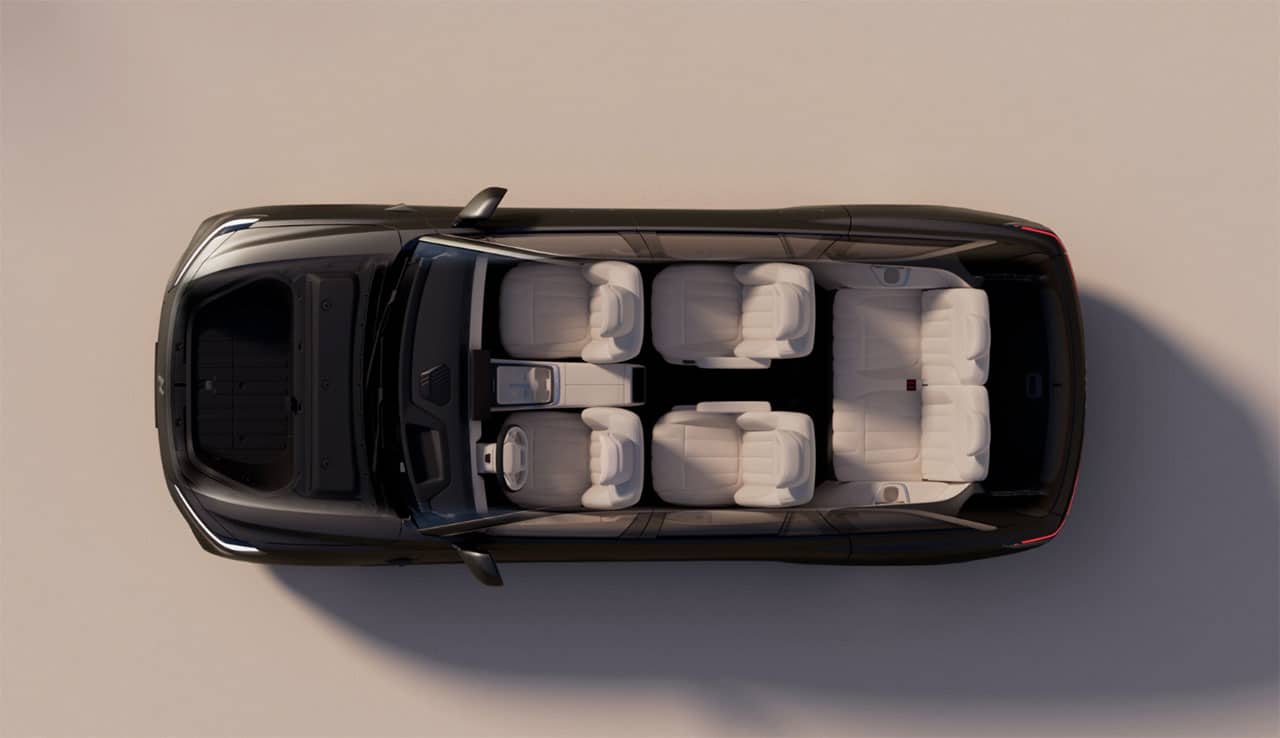
The L90 is available in six-seat and seven-seat versions, targeting the widest possible range of potential family users.
Deliveries of the six-seat L90 will begin on August 1, while the seven-seat version will start deliveries in late September, Nio said at today's event.
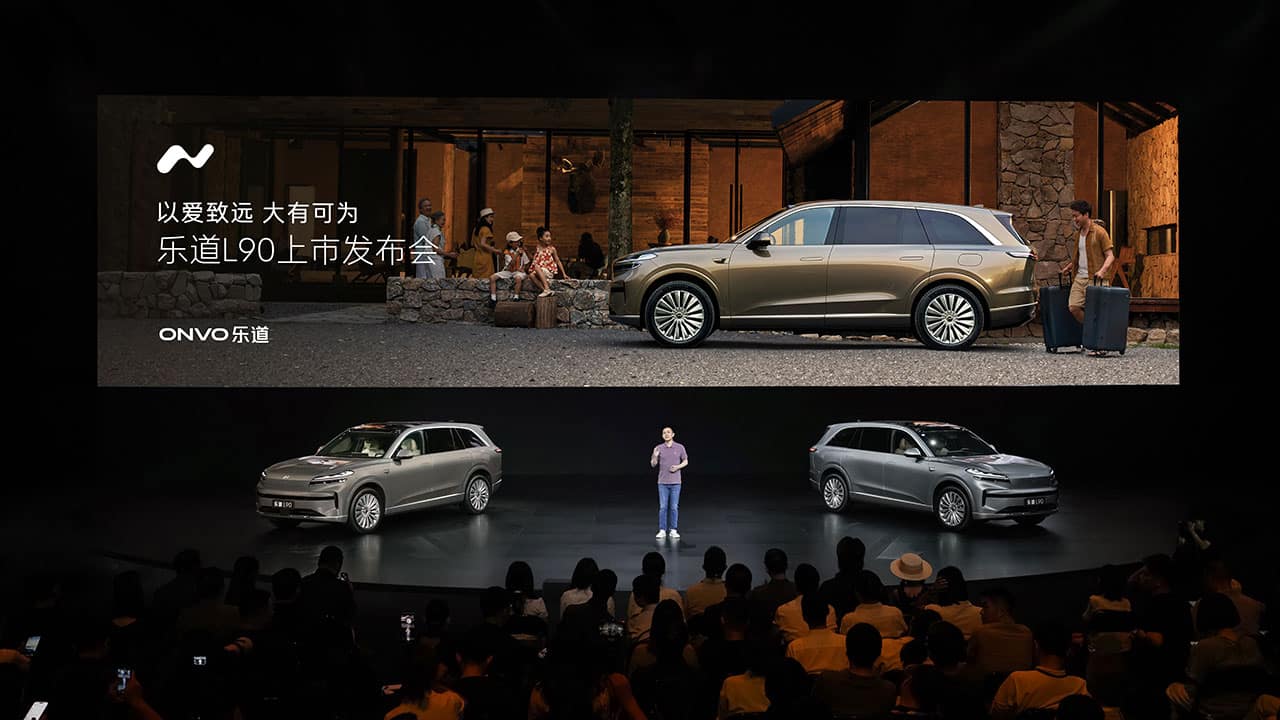
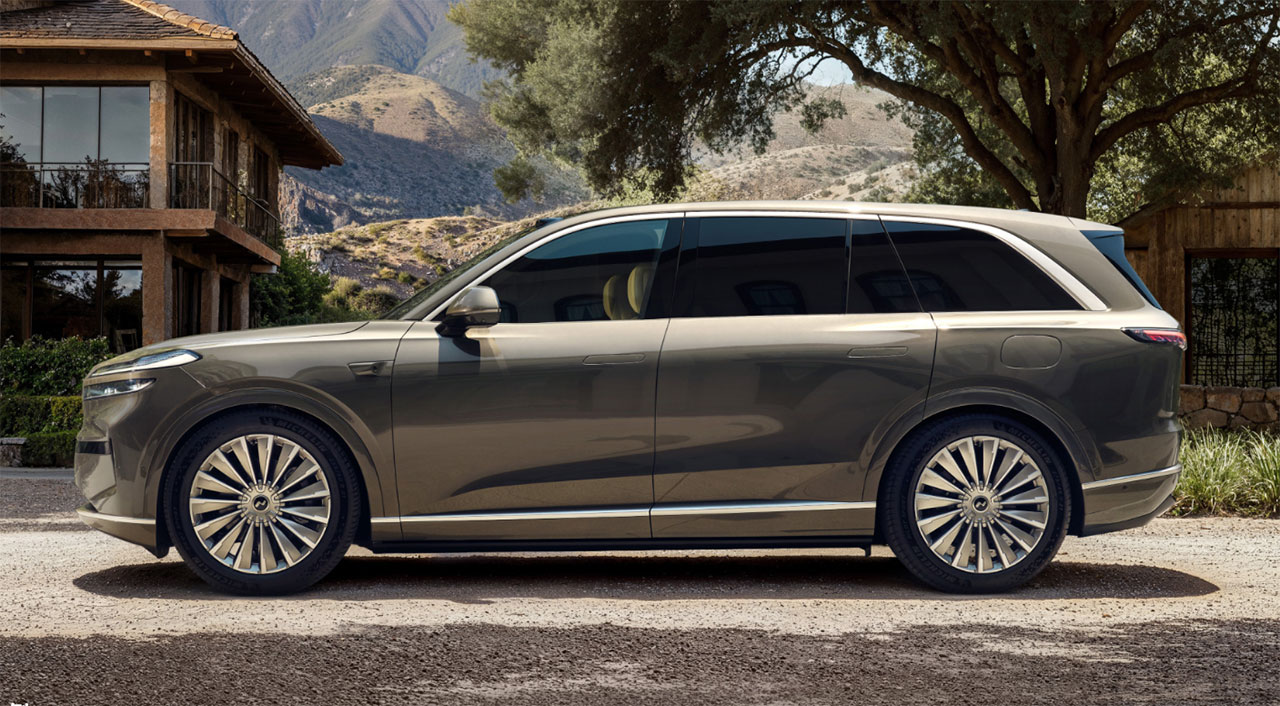
The Onvo L90 is a large SUV with dimensions of 5,145 mm in length, 1,998 mm in width, and 1,786 mm in height, with a wheelbase of 3,110 mm.
For comparison, the Li L9 extended-range electric vehicle (EREV) from Li Auto (NASDAQ: LI) measures 5,218 mm in length, 1,998 mm in width, and 1,800 mm in height, with a wheelbase of 3,105 mm.
Onvo L90 detailed pricing
| Trim | Price With Battery (RMB) | Price With BaaS | Monthly Battery Rental Under BaaS |
|---|---|---|---|
| 6-seat Pro | 265,800 | 179,800 | 899 |
| 6-seat Max | 279,800 | 193,800 | 899 |
| 6-seat Ultra | 299,800 | 213,800 | 899 |
| 7-seat Pro | 271,800 | 185,800 | 899 |
| 7-seat Max | 285,800 | 199,800 | 899 |
| 7-seat Ultra | 299,800 | 213,800 | 899 |
The six-seat L90 offers three options -- Pro, Max, and Ultra -- with starting prices of RMB 265,800, RMB 279,800, and RMB 299,800, respectively, including an 85-kWh battery pack.
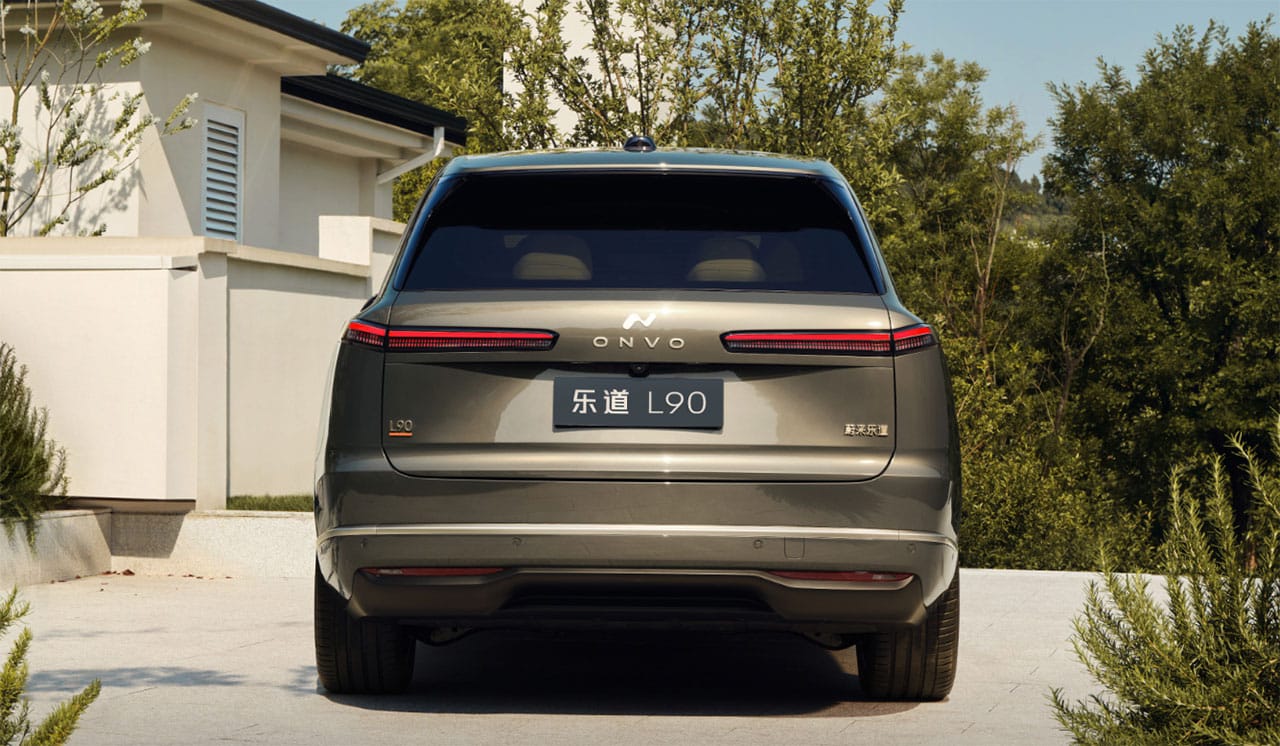
The seven-seat L90 also offers three options -- Pro, Max, and Ultra -- with starting prices of RMB 271,800, RMB 285,800, and RMB 299,800, respectively, including the 85-kWh battery pack.
The vehicle is built on a 900-volt high-voltage platform, which offers better energy efficiency and charging speed compared to conventional 400-volt platforms.
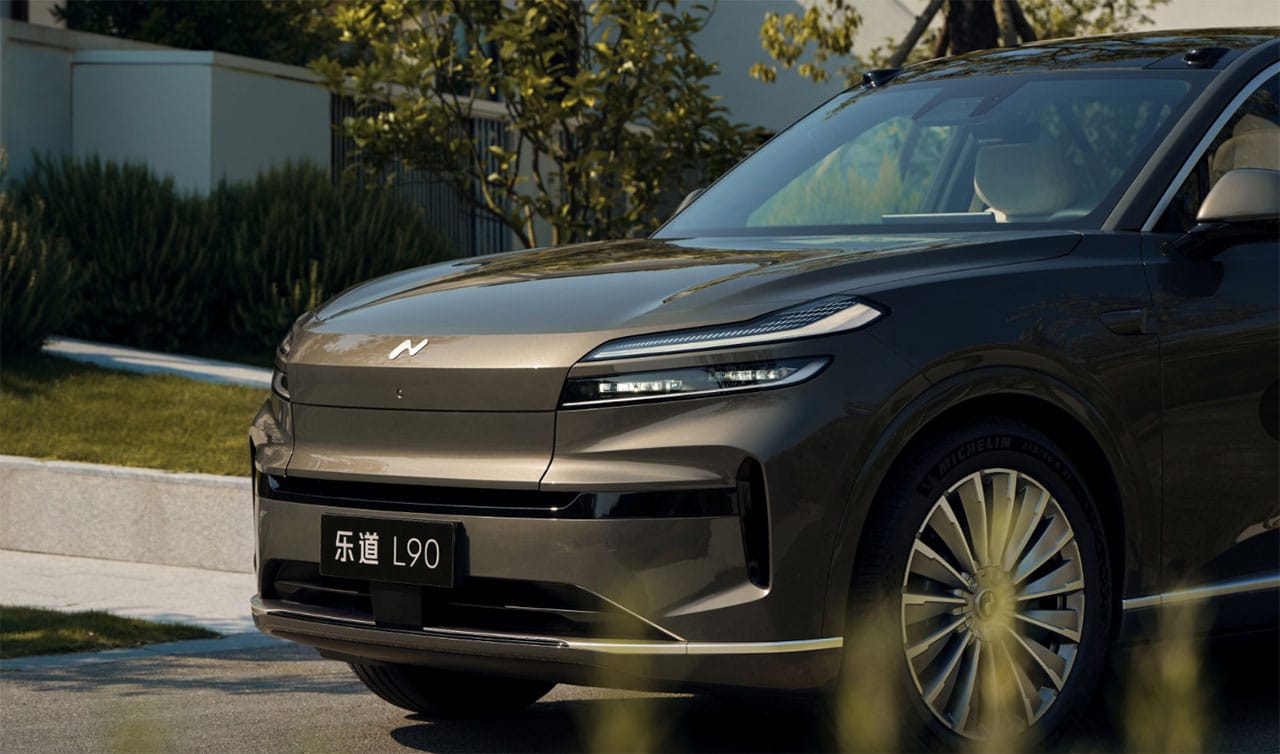
All Pro and Max variants are single-motor rear-wheel drive models with a peak power of 340 kWh and peak torque of 400 Nm, capable of accelerating from 0 to 100 km/h in 5.9 seconds.
The Ultra variants are dual-motor models with an additional front motor with peak power of 100 kW and peak torque of 135 Nm. Both Ultra variants can accelerate from 0 to 100 km/h in 4.7 seconds.
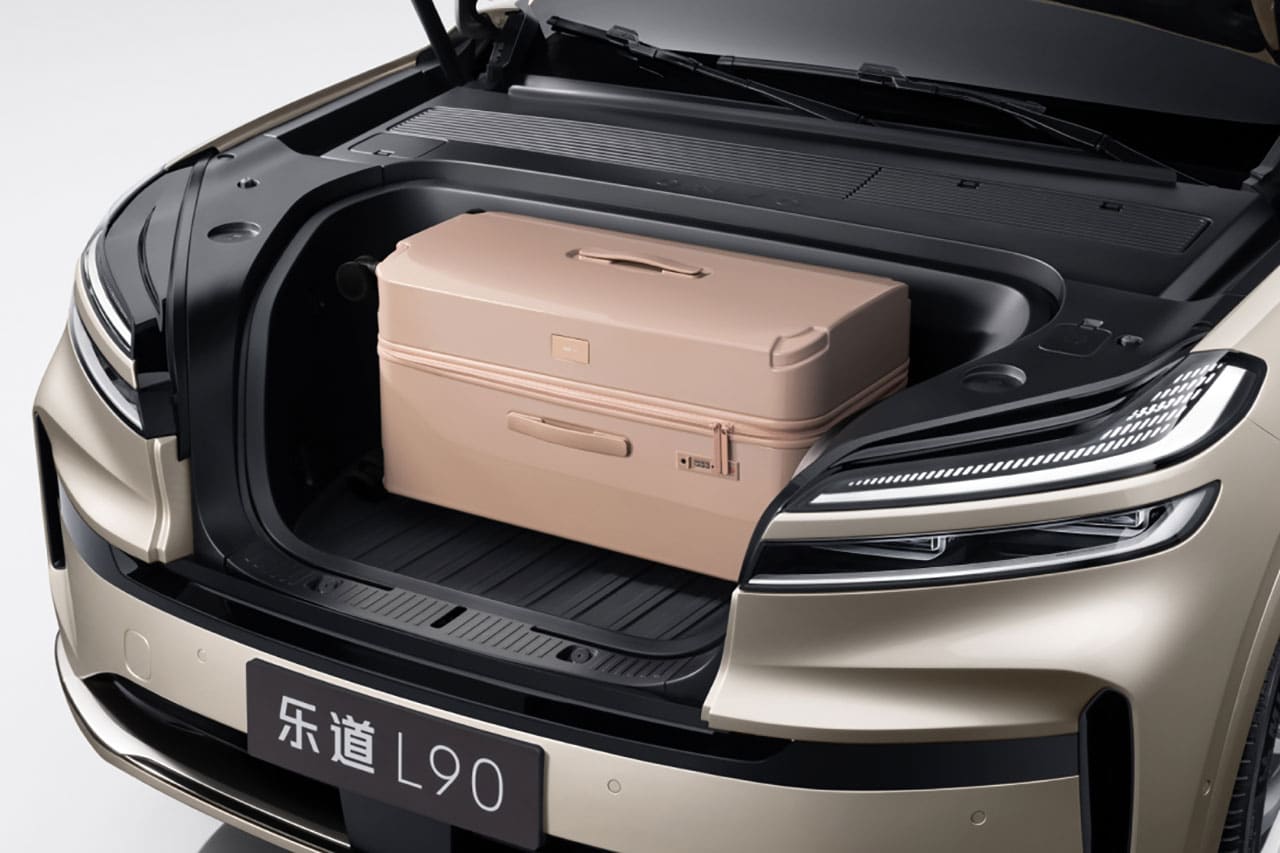
The L90 comes standard with an 85-kWh battery pack, unlike the L60, which comes standard with a smaller 60-kWh battery pack.
Like Nio's models, Onvo cars support battery swap, meaning the L90 has another ace up its sleeve -- it can further lower the entry barrier by offering a 60-kWh battery option, though that would mean lower range.
With the 85-kWh battery pack, the rear-wheel-drive version of the L90 has a CLTC range of 600 or 605 kilometers, while the all-wheel-drive version has a range of 570 kilometers.

This range is not outstanding in the highly competitive Chinese EV market, but Nio's battery swap network allows it to quickly obtain a fully charged battery in about three minutes.
As of today, Nio has 3,430 battery swap stations in China, with 1,000 located along highways.
Customers who purchase the L90 by August 31 will receive a 40 percent discount on certain optional features and five years of free NOA (Navigation on Autopilot).
Main rival Li i8 faces pressure
Just two days before the launch of the L90, Li Auto rolled out the Li i8, its first all-electric SUV, on July 29.
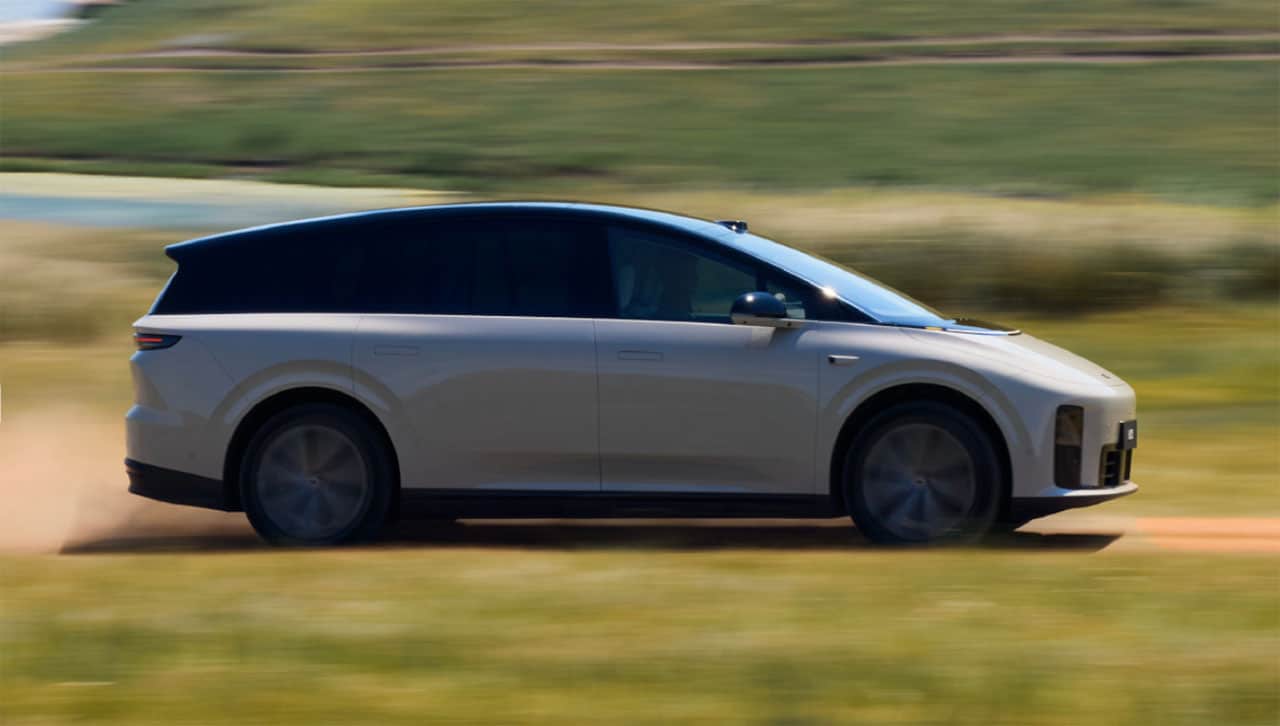
Unlike the traditional SUV appearance of the L90, the Li i8 looks like a scaled-down version of the Li Mega MPV (multi-purpose vehicle), designed to optimize aerodynamics for better range.
The entry-level Li i8 features a battery pack with a capacity of 90.1 kWh, offering a CLTC range of 670 kilometers. The other two variants both come with a 97.8 kWh battery pack, delivering a CLTC range of 720 kilometers.
Li Auto also believes that a well-developed charging network is crucial to the success of a battery electric vehicle (BEV), so it has significantly increased its investment in infrastructure over the past year and committed to having 2,500 supercharging stations in China by the time the Li i8 is launched.
On the day of Li i8's launch, Li Auto's supercharging station network reached 3,000 locations.
Li Auto is positioning the Li i8 as a more premium SUV, offering three variants: Pro, Max, and Ultra, with starting prices of RMB 321,800, RMB 349,800, and RMB 369,800, respectively.
However, it appears that Li Auto may struggle to convince potential customers why they should choose the more expensive Li i8, which offers no better experience, over the Onvo L90.
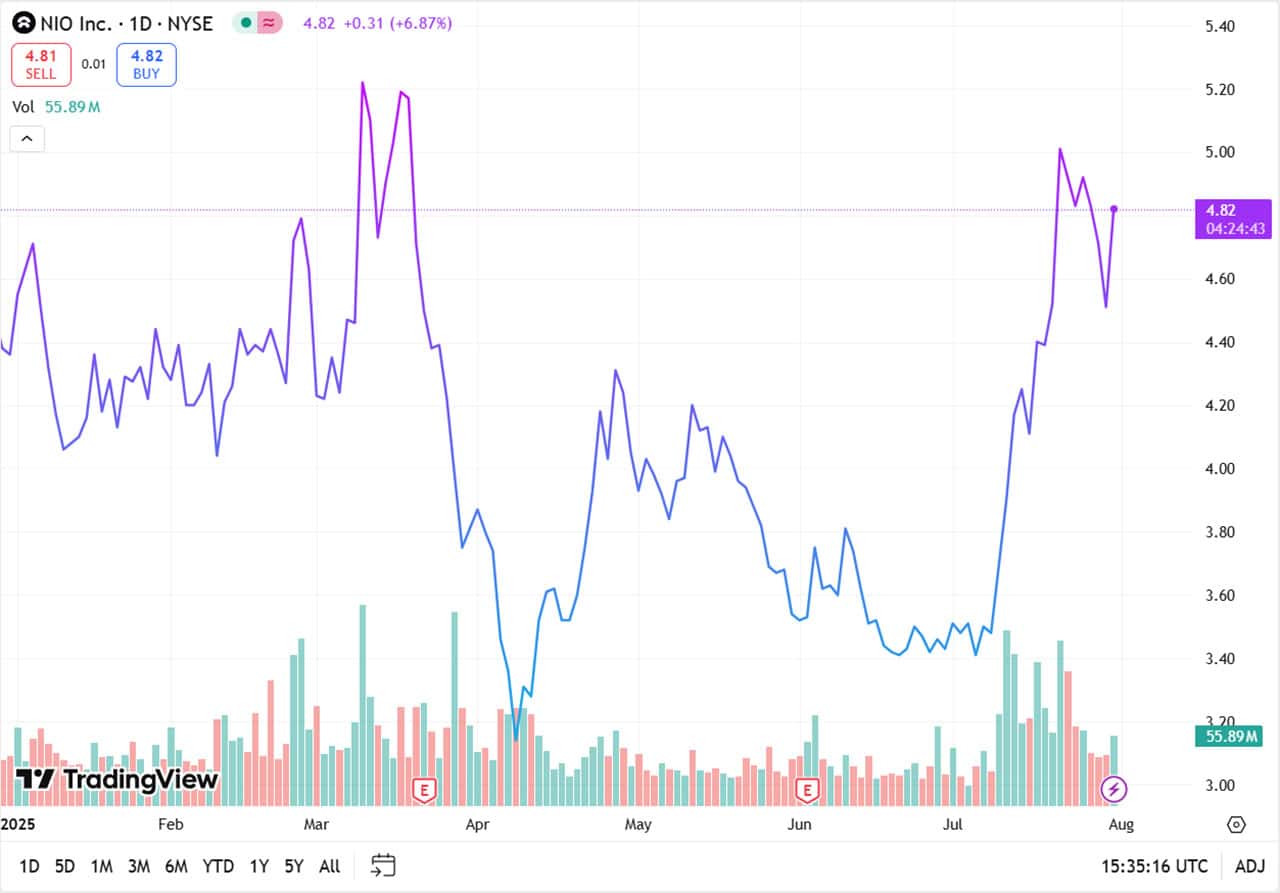
Investors seem to share this view, as Li Auto's stock price in the US market plummeted by 6.2 percent on the day of the Li i8's launch. In contrast, as of the time of this report, Nio's stock price in the US market surged by about 7 percent to $4.82.
What could go wrong?
Given the complex nature of automobile manufacturing, even the smallest component supply issue could lead to delivery delays.
Nio had already experienced this, particularly with the initial launch of its ET5 sedan in December 2021.
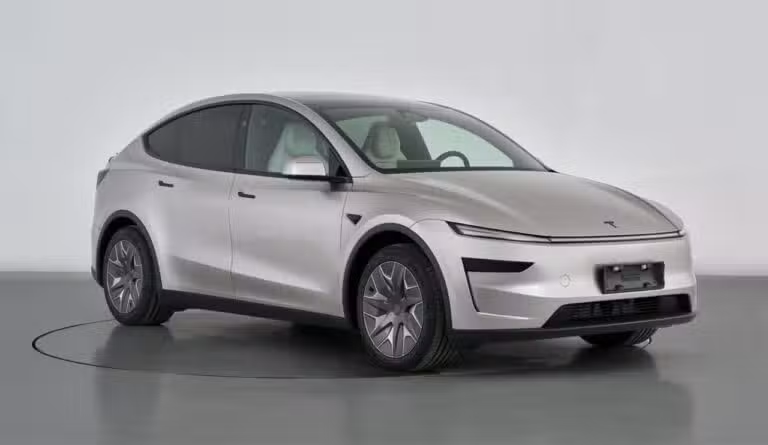
In addition, Tesla announced earlier this month that it will launch the six-seat Model Y L in China this fall.
Given Tesla's strong brand influence, the upcoming launch of the Model Y L is sure to impact other six-seat and seven-seat SUV models.
The locally produced Model Y has been one of the most popular models in the Chinese market, with 171,491 units delivered here in the first half of this year, despite a year-on-year decline of 17.48 percent, according to data compiled by CnEVPost.
($1 = RMB 7.1955)