- The first deployments are expected to take place later this year in Asia and the Middle East, using Apollo Go's sixth-generation robotaxi.
- Baidu has become the latest company to partner with Uber, as Chinese autonomous driving technology developers aim to deploy their technology in global markets.
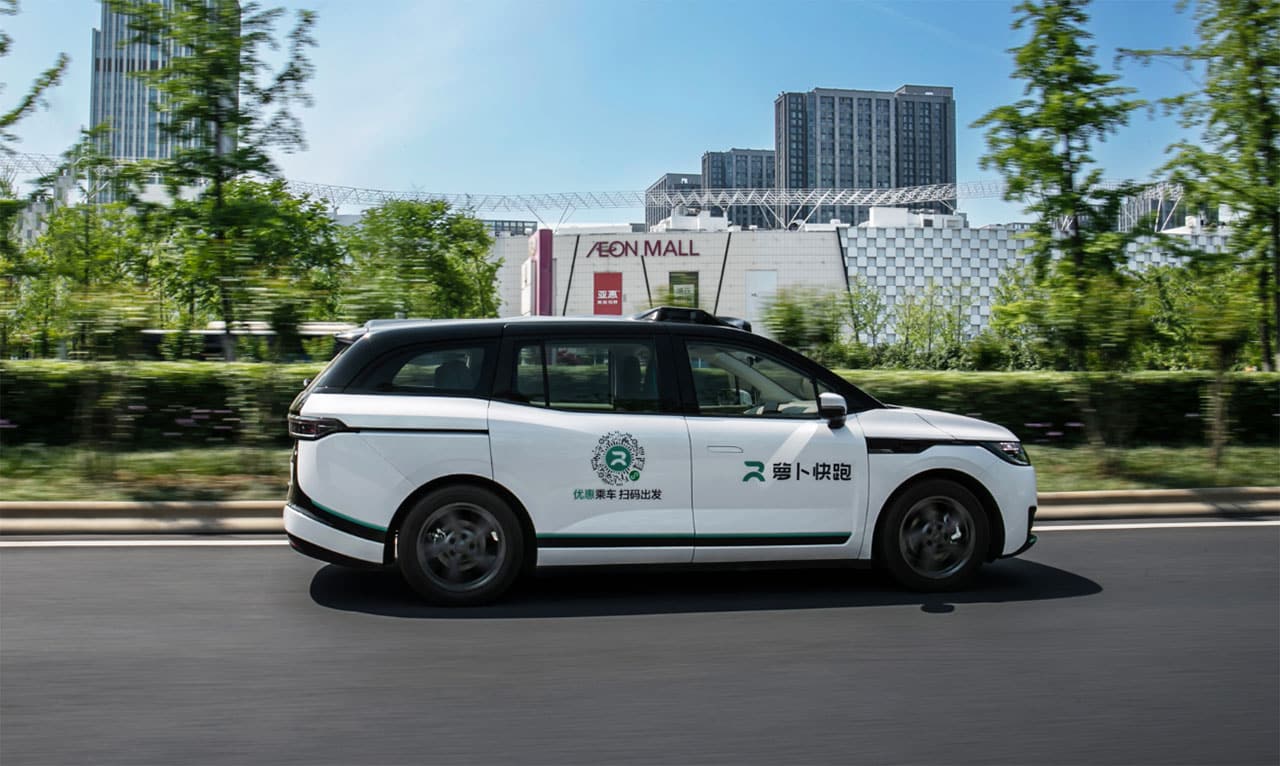
Tech giant Baidu has partnered with Uber Technologies (NYSE: UBER) to become the latest Chinese company to deploy robotaxis on the US ride-hailing giant's platform.
Baidu announced today a multi-year strategic partnership with Uber to deploy thousands of Baidu Apollo Go autonomous vehicles on Uber's platform in multiple global markets outside the US and the Chinese mainland.
The first deployments are expected to take place later this year in Asia and the Middle East, using the sixth-generation Apollo Go robotaxi.
Once deployed, Uber passengers will be able to choose to complete their trips using fully driverless Apollo Go autonomous vehicles.
The collaboration aims to integrate Baidu's autonomous vehicles into Uber's extensive network to increase affordable and reliable shared mobility options, Baidu said.
"We are committed to bringing the benefit of autonomous driving technology to more people in more markets, and this partnership with Uber represents a major milestone in deploying our technology on a global scale," said Robin Li, Baidu's co-founder, chairman, and CEO.
Baidu is the latest company to enter into such a partnership with Uber, as Chinese autonomous driving technology developers aim to deploy their technology in global markets.
In September 2024, WeRide (NASDAQ: WRD) partnered with Uber to advance the use of its autonomous vehicles on the Uber platform.
On May 6, WeRide announced that it would further expand its strategic partnership with Uber, aiming to add 15 new cities globally over the next five years, including in Europe and the Middle East.
Also on May 6, Pony AI (NASDAQ: PONY) announced a strategic partnership with Uber to deploy its robotaxis on Uber's platform.
The partnership is expected to launch in a key market in the Middle East later this year and plans to expand to more international markets in the future, Pony AI said.
Baidu entered the autonomous driving technology sector in 2013, one of the earliest companies in China to do so.
As of May, Apollo Go had accumulated over 11 million rides, with its service coverage expanded to 15 cities, according to Baidu's first-quarter earnings report.
Apollo Go's global robotaxi fleet has reached 1,000 vehicles, and it will continue to solidify its position as the world's leading autonomous ride-hailing service provider, Li said during an earnings call on May 21.
Baidu is expanding Apollo Go's services to international markets, with launches in Dubai and Abu Dhabi in March, and road validation tests beginning in Dubai in May.
In April, Apollo Go was approved to conduct designated passenger testing on open roads in Hong Kong, its first right-hand drive market.
On May 14, The Wall Street Journal reported that Baidu plans to launch its Apollo Go robotaxi service in Switzerland and establish a local company there in the coming months.